Last updated November 22, 2026
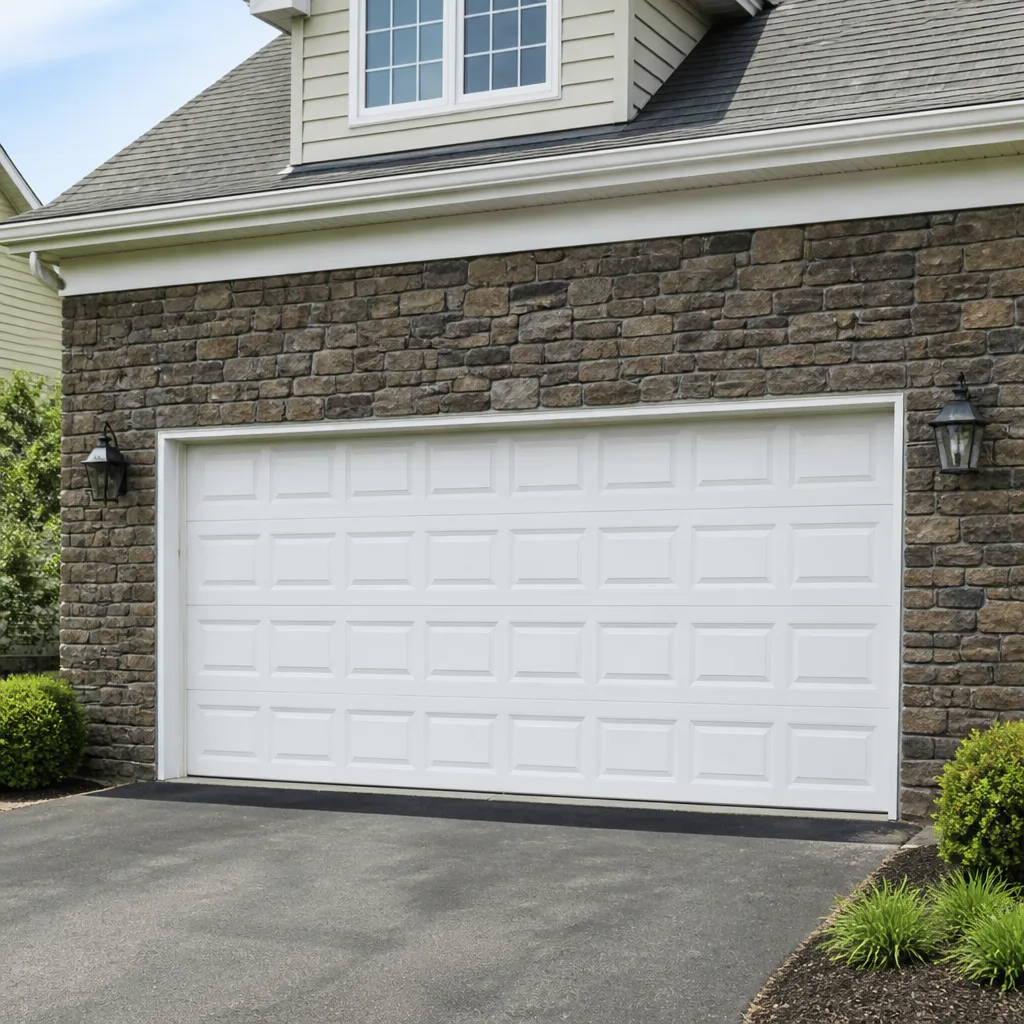 Raised-panel steel
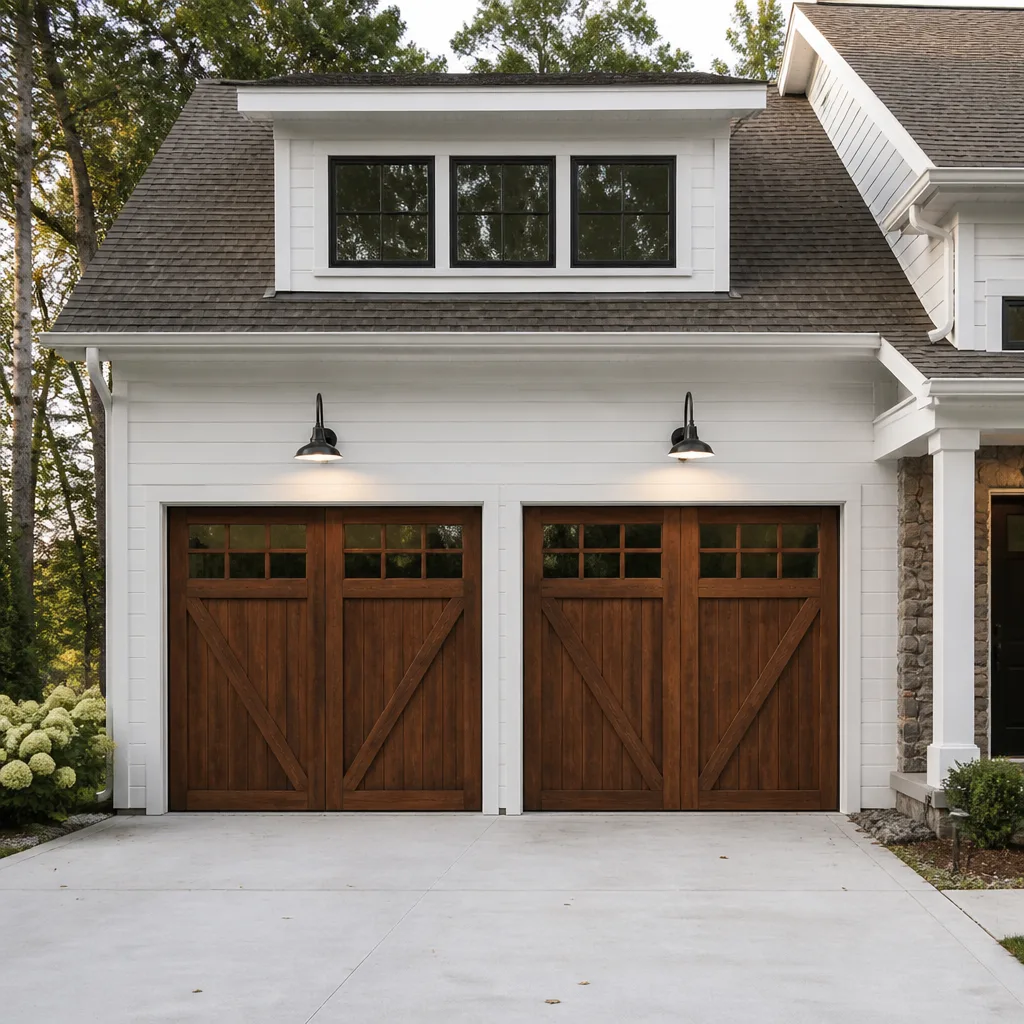 Carriage house
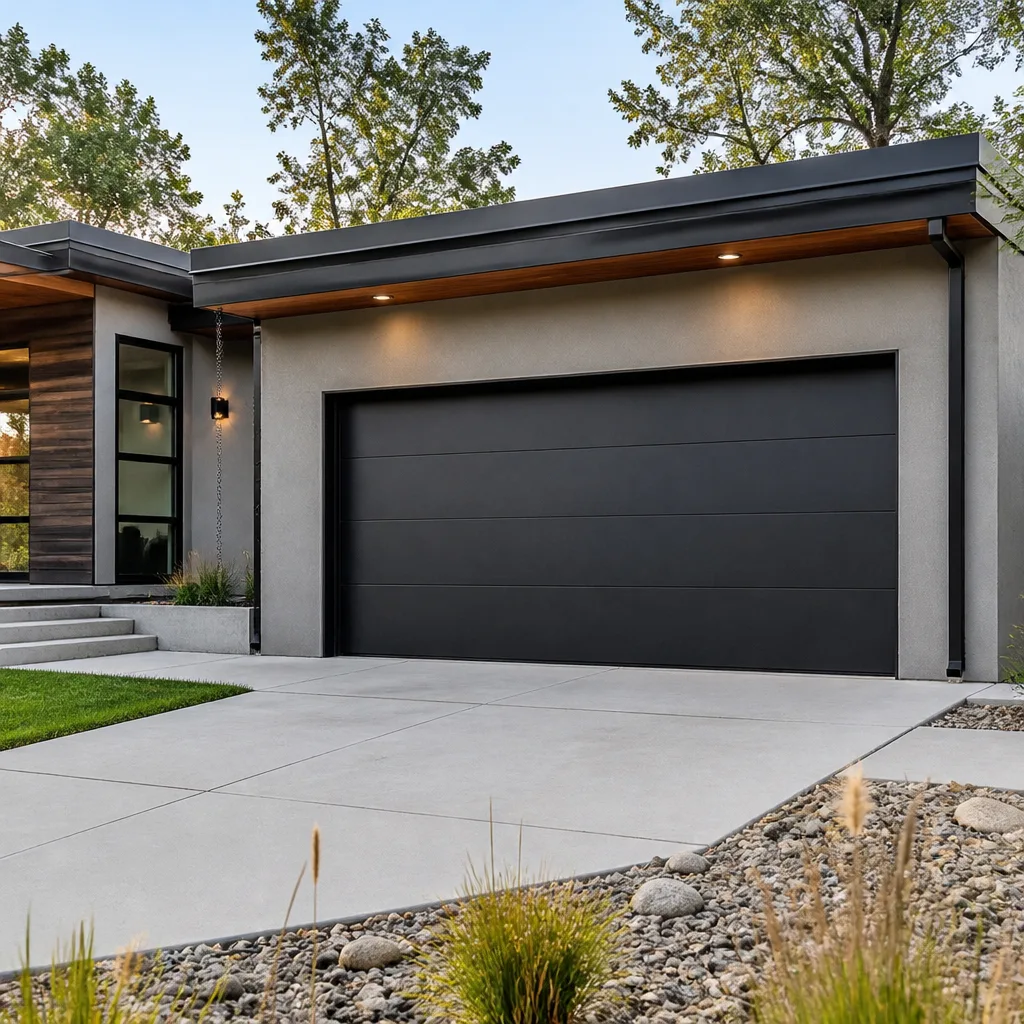 Modern flush
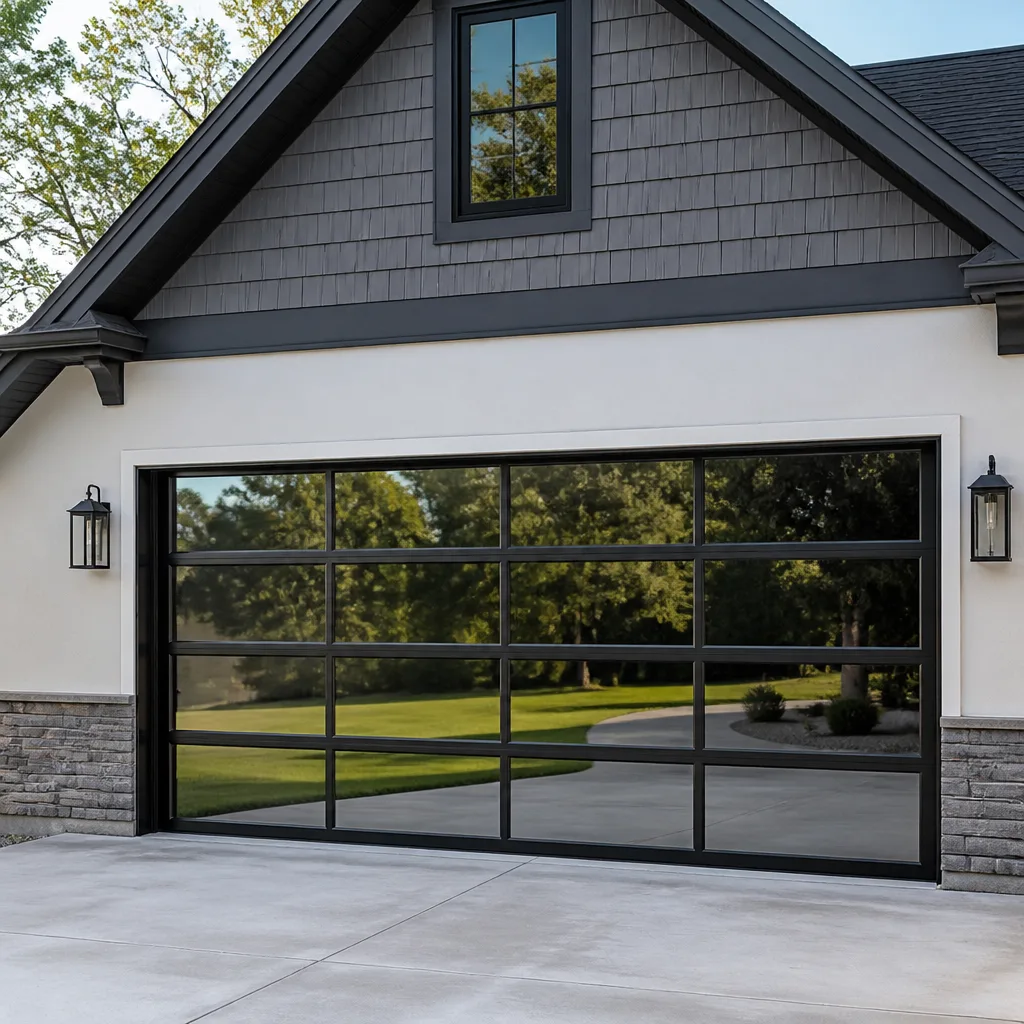 Full-view glass
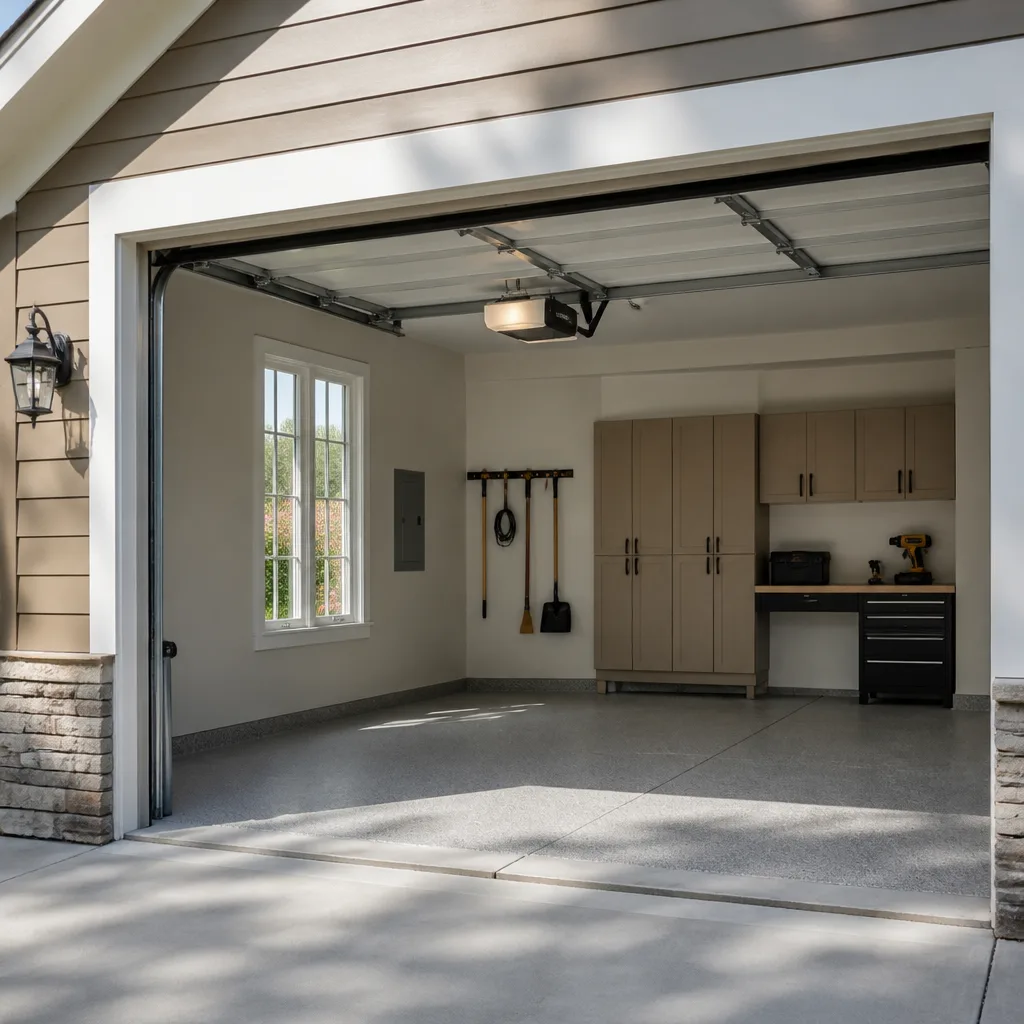 LiftMaster openers
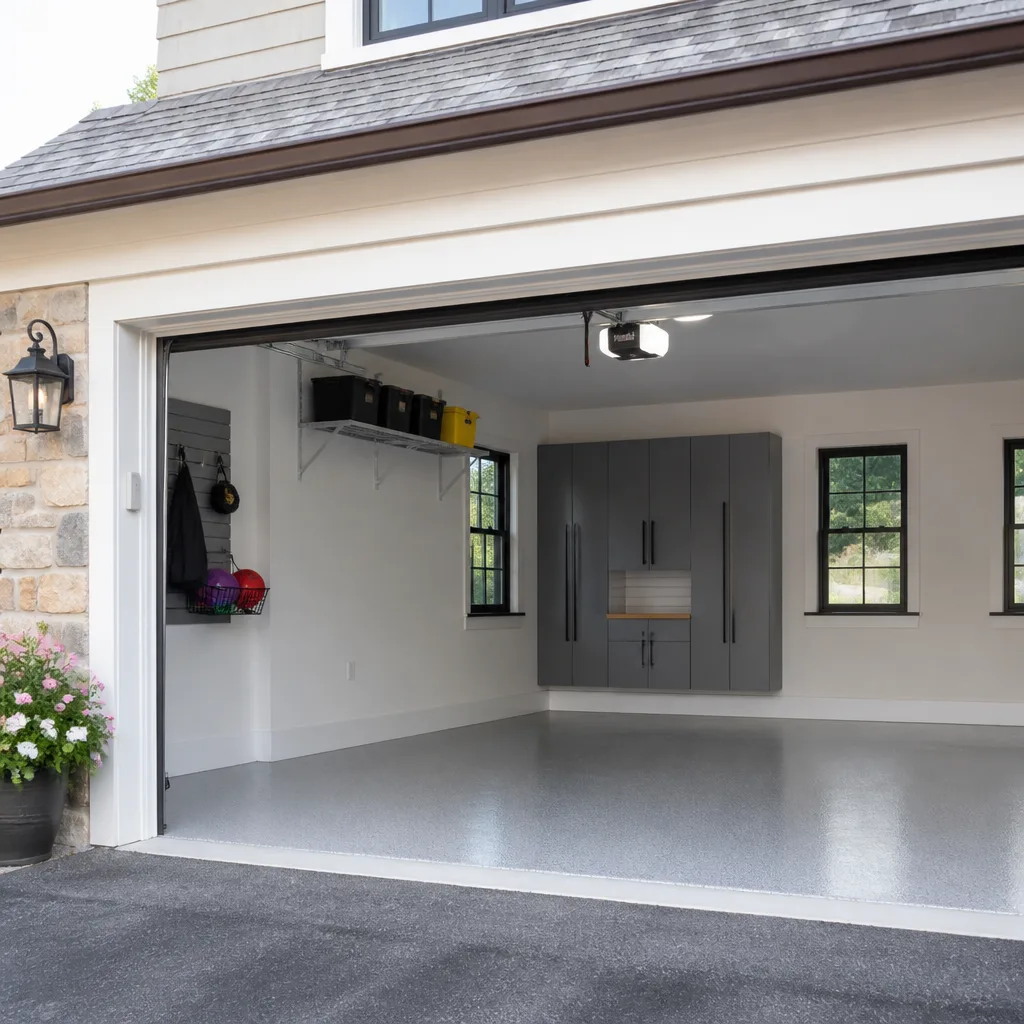 Chamberlain openers
Full 25-point door and opener safety check with every visit - springs, cables, rollers, tracks, and your LiftMaster or Chamberlain opener included
You get a price before we start. It does not change when the pro arrives.
Get your free estimateChoosing the Right Garage Door Brand: A Buyer’s Guide for Lakewood
Every major garage door brand has a glossy spec sheet. What those sheets don’t tell you is how their paint systems, weatherstripping compounds, and steel gauges actually behave after five winters of Lake Erie freeze-thaw cycling. That gap matters more in Lakewood than in most of the country. A door that looks identical to another on paper can end up with rust streaks along the bottom section within a few seasons, or hold its finish for a decade, depending on choices the manufacturer made long before it reached your driveway. This guide compares the leading brands on the variables that actually matter here: gauge, finish, warranty language, and how quickly a part can be sourced when you need it. Lakewood buyers deserve better than a color swatch and a price.
Quick Answer
For most Lakewood homeowners, the best garage door brand is the one whose steel gauge, paint system, and warranty terms hold up against Northeast Ohio’s humidity swings and freeze-thaw cycles, not the one with the flashiest showroom. A mid-tier door from a brand with strong local parts availability usually beats a premium door whose panels take weeks to source. Match the door to your garage’s orientation, usage, and structural situation, and buy from a brand you can actually get repaired.
Styles & brands we work with
- Raised-panel steel
- Carriage house
- Modern flush
- Full-view glass
- LiftMaster openers
- Chamberlain openers
Table of Contents
- Why Northeast Ohio Climate Changes What “Good Specs” Means
- How to Read Steel Gauge, Paint, and Insulation for This Market
- A Brand-by-Brand Look at What Warranties Actually Cover
- Why Your Neighbor’s Brand May Be Wrong for Your Garage
- Local Parts Availability: The Variable Nobody Checks
- When a Mid-Tier Brand Beats a Premium One in Lakewood
- A Step-by-Step Way to Choose a Brand
Why Northeast Ohio Climate Changes What “Good Specs” Means
Lakewood sits in a weather pattern that punishes garage doors in a specific way. Winters bring repeated freeze-thaw cycling: snowmelt runs into the gap at the bottom of the door, refreezes overnight, and expands. Humidity in summer stays high enough that condensation forms on cold steel. A door built for a dry climate can look fine on a spec sheet and still fail those conditions within a handful of years.
What that means for brand selection is that you weigh three things more heavily than a manufacturer’s headline features:
- Coating adhesion. Paint and powder-coat systems fail differently. Some chip and blister at the bottom edge where moisture pools; others hold. Look for brands that describe a multi-stage pre-treatment before finish, not just a color name.
- Weatherstripping compound. Vinyl and EPDM behave differently across a temperature range that here can swing from single digits to the nineties within months. Stiff, cheap seals crack and let water in; a better compound stays pliable.
- Section joint design. The seams between panels are where water gets behind the finish. Doors with tighter, better-sealed joints last longer in a lake-effect climate.
None of this appears on a showroom display. It shows up five winters later on the bottom section. In our experience working on doors across Lakewood, the brands that hold up here are the ones that invested in finish quality and joint design, not just insulation R-value marketing. When a door does start to fail, the damage usually shows first at the bottom edge and around the hinges, and that’s when homeowners start researching garage door repair options.
How to Read Steel Gauge, Paint, and Insulation for This Market
Steel gauge is the single most misread number in garage door shopping. A smaller gauge number means thicker steel. So a 24-gauge door has thicker steel than a 27-gauge door. Two doors can look identical in a photo and differ enough in gauge that one dents when a basketball hits it and the other shrugs it off. For a Lakewood household that uses the door multiple times a day, thicker steel holds its shape longer and resists the panel warping that moisture and temperature swings encourage.
Paint systems deserve just as much attention. Here’s a practical way to compare them:
- Ask how many finish stages the door gets. A single coat over bare steel doesn’t resist rust the way a pre-treated, multi-coat system does.
- Look for a written finish warranty separate from the structural warranty. Brands confident in their paint say so in writing.
- Check the color through the door. A door with color baked through the steel or applied under a clear topcoat holds up better than one painted on the surface only.
- Confirm the insulation is bonded, not loose. Foamed-in-place insulation stiffens the panel and keeps moisture from getting behind it.
Insulation matters less for temperature than people assume and more for stiffness and sound. A well-insulated door feels solid, resists denting, and quiets down. A poorly insulated one flexes. For a Lakewood garage attached to the house, that difference is noticeable in winter and in summer. The same reading skills apply to openers, which is why we separate opener questions from door-spec questions when we talk with homeowners about garage door opener repair and replacement.
A Brand-by-Brand Look at What Warranties Actually Cover
Warranty language is where brands quietly separate. Almost every manufacturer backs the structural integrity of the door for a set period. Far fewer back the finish against rust, blistering, or paint fade with the same confidence. And very few cover panel warping at all, because warping can be blamed on installation or on the home’s ventilation. When you read a warranty in Lakewood, read it against the local climate: what happens to this door after a decade of humidity and freeze-thaw is the question that matters.
Here’s how the coverage typically breaks down across the brands we work with:
- Structural coverage is common and runs long across Amarr, Clopay, Wayne Dalton, Raynor, and others. It covers the door not falling apart, not the finish.
- Finish and rust coverage varies widely. Some brands warrant the paint against rust-through for years; others offer a short window or none. This is the term that matters most in a lake-effect climate.
- Panel warping is usually excluded or limited. Ask specifically what triggers a warping claim and what voids it.
- Hardware and springs carry their own, shorter warranties from every manufacturer. Springs are often the first component to go.
Read every warranty for the conditions that void it. Improper installation, missing maintenance, and modified doors are common exclusions, and they’re why a manufacturer’s warranty depends on who installs the door. A warranty is only as good as the paper trail behind it. If your current door’s springs are already showing wear while you shop for a replacement, that’s a separate conversation covered in our guide to garage door spring repair.
Why Your Neighbor’s Brand May Be Wrong for Your Garage
The door your neighbor chose sits on a different garage than yours. That sounds obvious, but it’s the most common reason Lakewood homeowners end up unhappy with a brand that’s fine on its own. Garage orientation, usage pattern, and the structure behind the door all shift which specs matter most.
Consider how these variables change the answer:
- South- and west-facing garages take more sun and heat. Finish fade and thermal stress matter more there, which favors brands with strong UV-resistant coatings.
- North-facing garages stay shaded and damp longer, so rust resistance at the bottom edge matters more than UV fade.
- High-cycle households (multiple drivers, deliveries, kids) put more wear on springs and openers faster, so brand choice should include how easy those parts are to source.
- Older Lakewood garages often have tighter headroom, uneven openings, or a low-clearance structure. Some brands and models fit those constraints better than others, and a premium door that doesn’t fit well is worse than a mid-tier one that does.
This is where a brand-agnostic specialist earns their keep. There’s no single right answer, and the good answer depends on the building. We work on the brand already in your garage rather than pushing a replacement to run up the bill. The right choice depends on which door fits your specific opening and which brand you can get serviced here, not on which one has the best brochure.
Local Parts Availability: The Variable Nobody Checks
The best door is useless if a spring or panel takes weeks to source when something breaks. This is the variable almost no buyer checks, and it’s the one that decides how long your car sits in the driveway. Availability isn’t a single number. It depends on whether the manufacturer keeps common parts in regional distribution, whether your door is a standard size, and whether the brand’s hardware is broadly interchangeable.
Here’s how to check parts availability before you buy:
- Ask the installer how quickly a replacement panel for this model can be obtained. A common size ships faster than an odd one.
- Confirm the springs and hardware are standard. Proprietary hardware can add lead time.
- Ask which brands they carry parts knowledge of and can service on short notice. A specialist who works on the big brands has better answers than a generalist.
- Check whether the model is current. A discontinued door can turn a simple panel swap into a full replacement.
In our experience, the brands with the widest parts footprint in this region are the ones we work on most: LiftMaster, Chamberlain, Genie, Clopay, Amarr, Wayne Dalton, Craftsman, and Raynor. We’re certified to work on all eight, which means whatever brand is on your garage, the answers are already here. For homeowners who’ve been burned by a door that sat broken for weeks waiting on a part, this is the point that matters most, and it’s part of why emergency calls are a core part of what we do.
When a Mid-Tier Brand Beats a Premium One in Lakewood
Premium doors justify their price with features that many Lakewood households don’t actually use. A high-end door with a complex finish, custom sizing, or unusual window configurations can be the wrong buy if it fits your garage poorly or its parts are slow to arrive. A well-chosen mid-tier door from a brand with strong local service is often the more reliable investment.
Here’s the spec logic behind that claim:
- Gauge and insulation drive most of the day-to-day difference, and mid-tier brands often match premium ones on both when you compare carefully.
- Finish quality separates brands more than tier level. A mid-tier brand with a strong paint warranty can outperform a premium brand with a weak one.
- Parts availability tracks brand footprint, not price. A premium door from a brand with limited local service can be a headache to repair.
- Fit beats features. A mid-tier door that fits your opening and clearance perfectly will perform better than a premium door wedged into a space it wasn’t designed for.
This is the case Lakewood buyers miss most often, especially in older homes where the garage wasn’t built for a modern door. The premium door isn’t wrong. It’s just not automatically right, and the honest answer is that the best brand for a garage is usually the one whose fit, finish, and service footprint line up with that specific building. We’ve had homeowners thank us for steering them to a mid-tier door that fits and works over a fancy one that would have been trouble. That’s what brand-agnostic means in practice.
A Step-by-Step Way to Choose a Brand
When you’re ready to choose, work through these steps in order. They’re built to answer the practical question, not the marketing one.
- Measure your opening and clearance. Note the width, height, headroom, and how far the door can travel. This rules out models before you fall in love with a photo.
- Look at your garage’s orientation and how you use the door. Sun exposure, shade, and daily cycle count tell you whether finish or spring durability matters more.
- Compare gauge, insulation, and finish warranty across two or three brands. Read the finish warranty specifically, not just the structural one.
- Ask about parts availability for each model. Confirm common panels and springs can be sourced quickly.
- Get a written estimate from a specialist who works on the brand. A generalist may install a brand they can’t service well later.
- Confirm the installation plan and who is responsible for warranty claims. The installer, not the factory, is who you’ll call.
Following these in order prevents the most expensive mistake: buying a door you can’t get serviced. If you’re investing in a full replacement, this is the same set of questions to bring to any installation conversation. For a business that only does garage doors, they’re all we do, which means we do them better than a generalist who splits attention across trades. And when you need it, Oakes Garage Door Repair is a call away.
Common Mistakes to Avoid
- Choosing on color and price alone. The finish you see in a showroom tells you nothing about how it holds up after five freeze-thaw cycles. Ask for the finish warranty in writing before you decide.
- Ignoring the finish warranty. Structural coverage is standard across brands; finish and rust coverage is where they separate. In a lake-effect climate, that’s the term that decides whether your door still looks new in a decade.
- Buying a premium door for a garage it doesn’t fit. Older Lakewood garages often have low headroom or uneven openings, and a premium door that fits poorly is a worse buy than a mid-tier door that fits cleanly.
- Skipping the parts-availability check. A door whose panels take weeks to source turns a small repair into a long wait. Confirm common parts can be obtained before you buy.
- Hiring a generalist who happens to install doors. A handyman who splits attention across trades may not know the finish and fit nuances of each brand. A specialist who works on the door every day does.
- Assuming your neighbor’s choice is your choice. Different orientation, different usage, different structure. The right brand depends on your garage, not theirs.
- Not asking who owns the warranty claim. The factory backs the door; the installer stands behind the installation. Confirm who you call when something goes wrong, and get it in writing.
See the difference
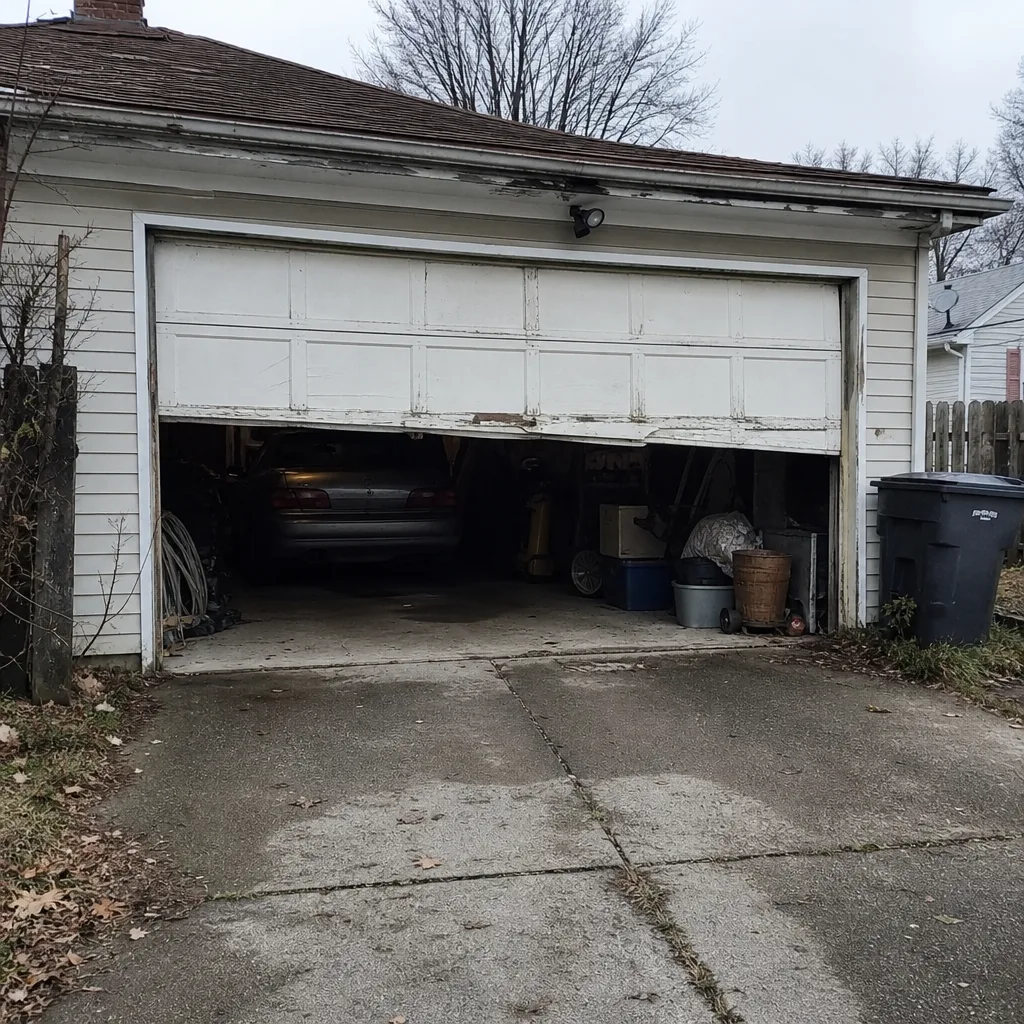 Before
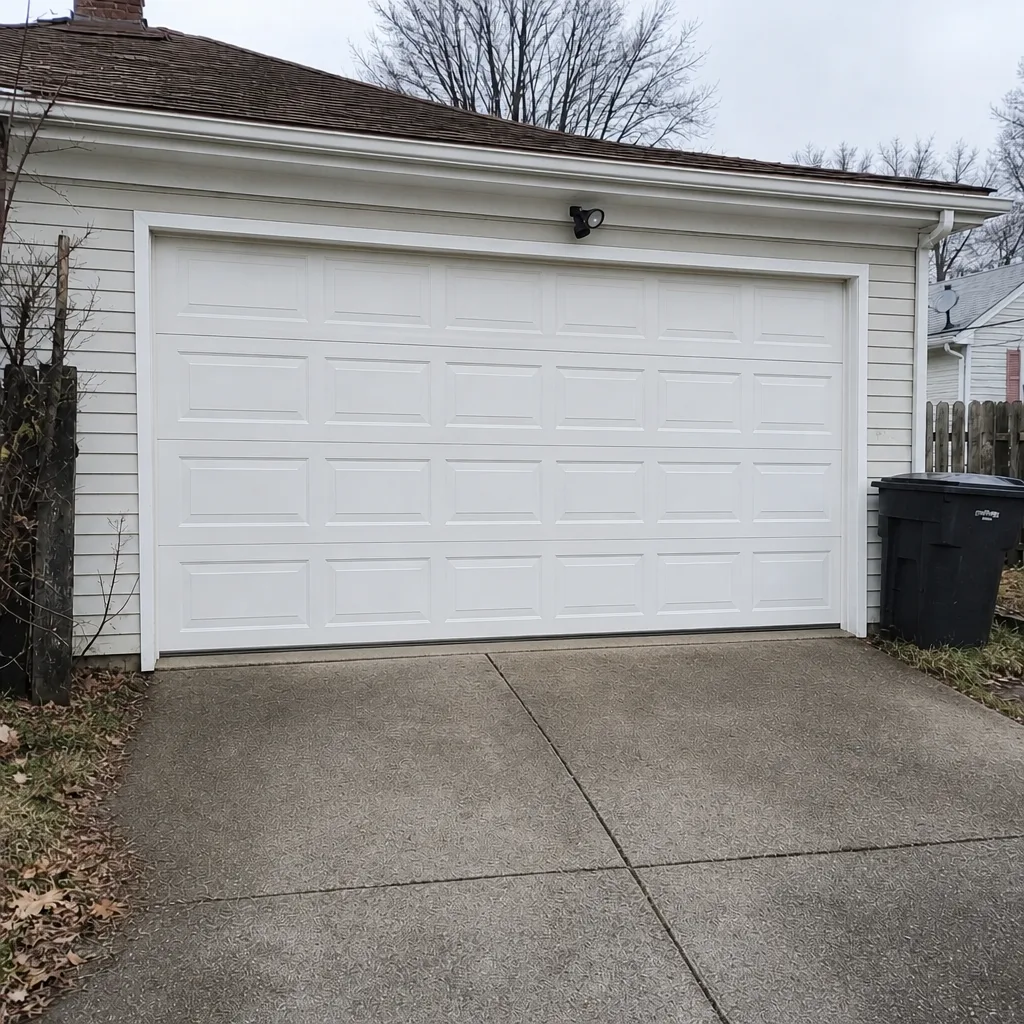 After
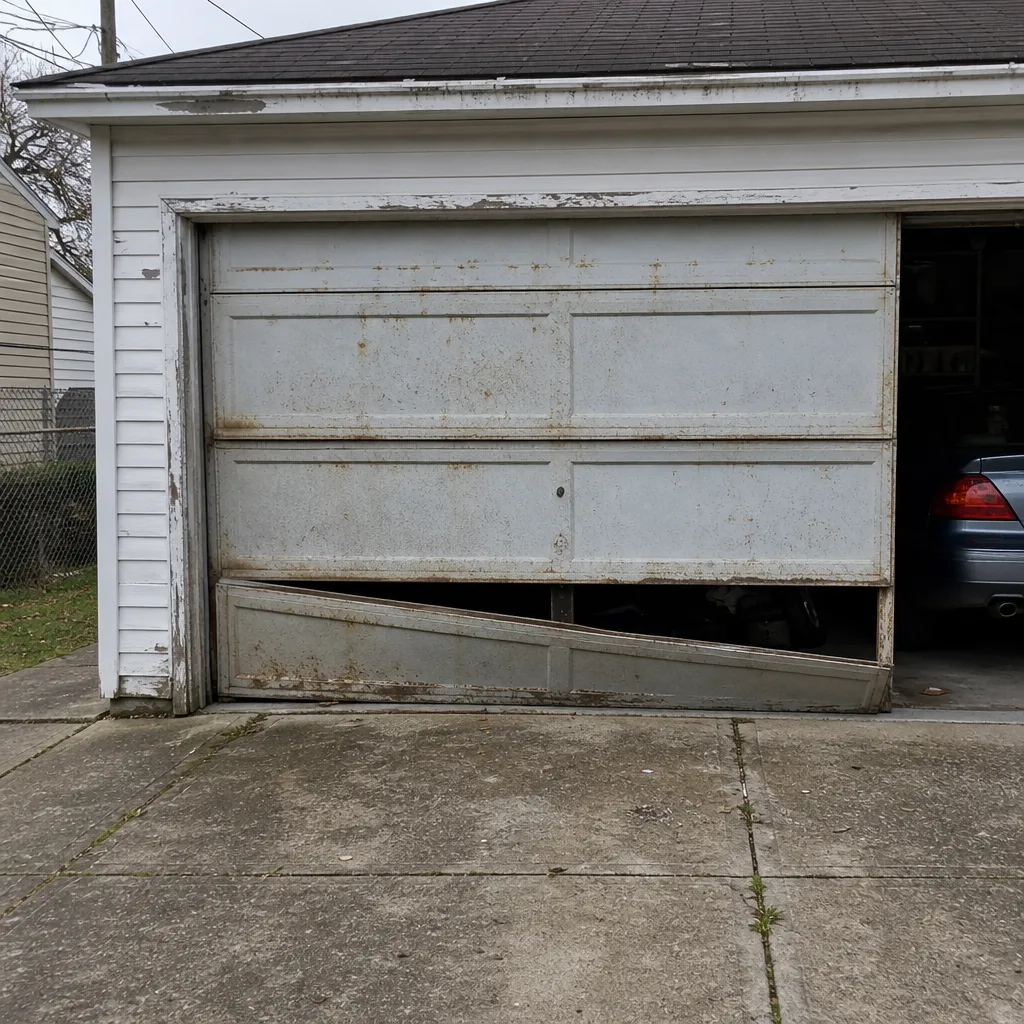 Before
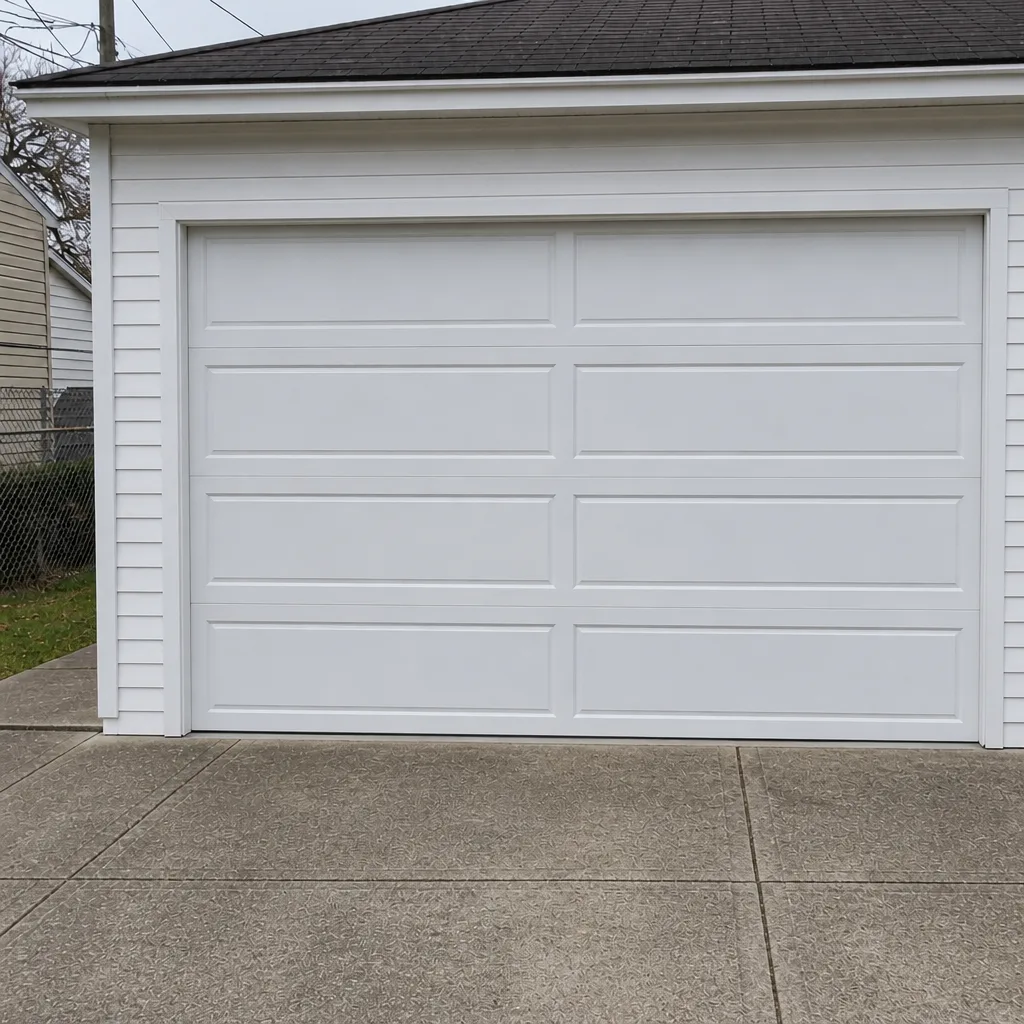 After
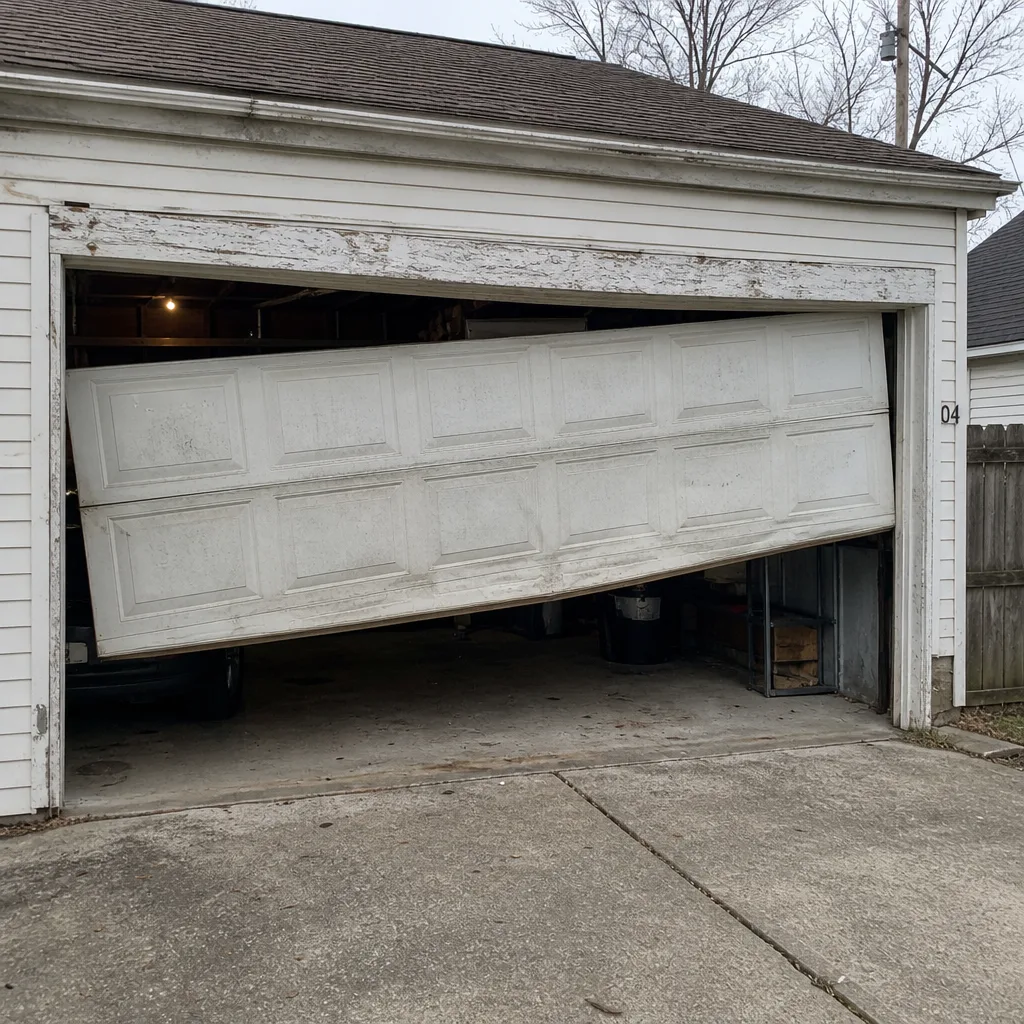 Before
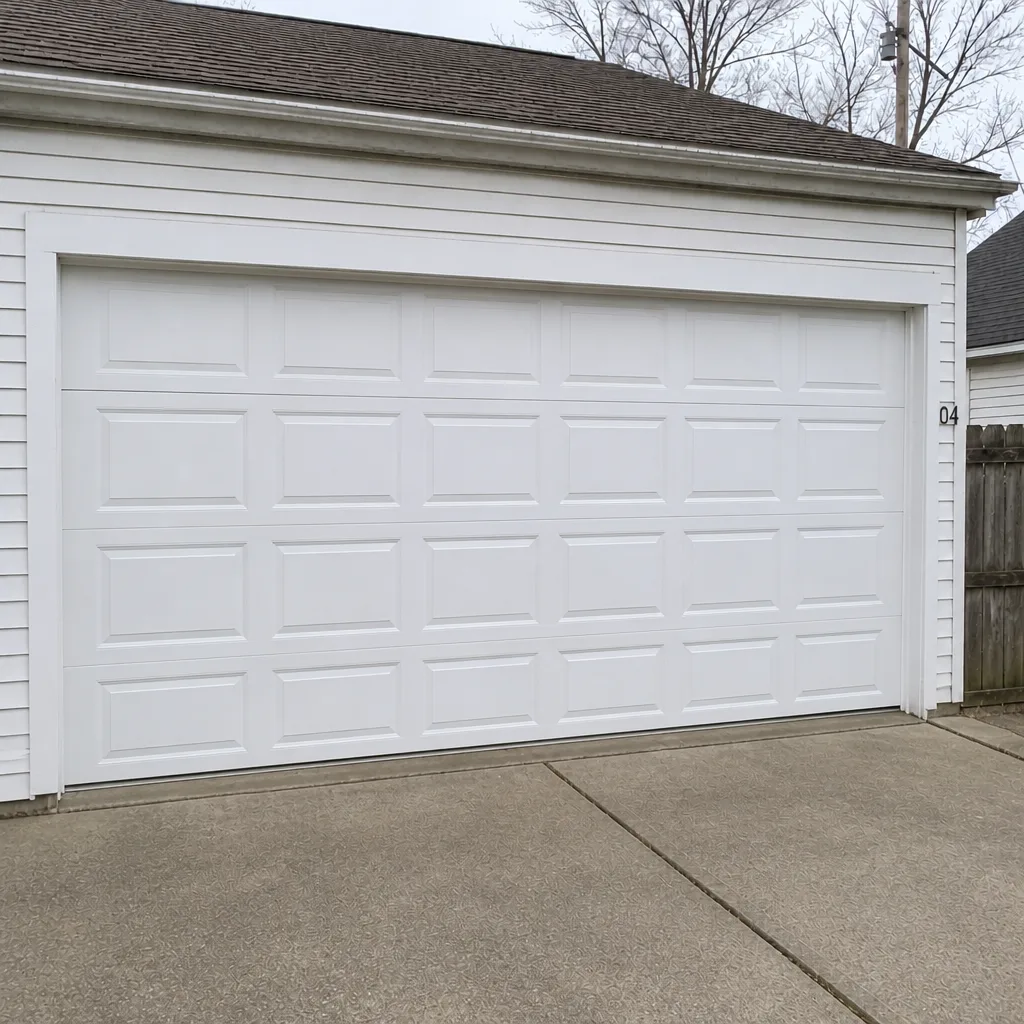 After
When to Call a Professional
Some decisions are better made with a specialist in the room. Call us when your existing door is showing rust at the bottom edge or paint blistering, and you’re weighing repair against replacement. Call when your garage’s opening is unusual or the headroom is tight and you need help matching a brand to the space. Call when a door has failed to close and you need an emergency response. Call when you’re comparing two brands and want an honest read on which one’s parts you can actually get here. We’re certified to work on the eight most common brands, and we work on the door already in your garage rather than pushing a replacement. Oakes Garage Door Repair offers free estimates in Lakewood. Call (844) 959-0082 and we’ll help you sort brand from brochure.
Frequently Asked Questions
There’s no single best brand for every Lakewood garage. The right brand for your home depends on gauge, finish warranty, and local parts availability, plus your garage’s orientation and how you use the door. A brand-agnostic specialist can match you to the one that fits your specific building.
We’re certified to work on eight of the most common garage door and opener brands: LiftMaster, Chamberlain, Genie, Clopay, Amarr, Wayne Dalton, Craftsman, and Raynor. That covers the vast majority of doors on Lakewood garages, so whatever is on yours, we’ve worked on it.
Yes, mostly through finish quality, gauge, and parts availability. A door from a brand with strong rust coverage and thick steel needs fewer repairs than one with weak finish protection, especially in a freeze-thaw climate. Parts availability decides how long a repair takes when something does go wrong.
Not automatically. Premium brands often add features many Lakewood households don’t use, while finish warranty and fit matter more than tier level. A mid-tier brand with a strong finish warranty and good local parts availability can outperform a premium one over a decade.
Yes. We’re brand-agnostic and can talk through the tradeoffs with you before you buy. We work on the brand that makes sense for your garage rather than pushing a specific name, and the written estimate is the price.
Ask how quickly a replacement panel and a spring can be sourced for the specific model, whether the hardware is standard, and whether the model is current. A discontinued door can turn a simple panel swap into a full replacement, so confirm availability before you buy.
The Bottom Line
Brand selection in Lakewood starts with the climate, not the catalog. Prioritize finish warranty, steel gauge, and local parts availability over showroom features. Read the finish warranty as carefully as the structural one, match the door to your garage’s orientation and structure, and don’t assume a premium brand is automatically the better buy. A mid-tier brand with strong service can be the smarter choice. Most of all, choose a brand you can actually get repaired here, and let a specialist who works on the door every day help you sort it out.
Written by the team at Oakes Garage Door Repair.