Last updated November 22, 2026
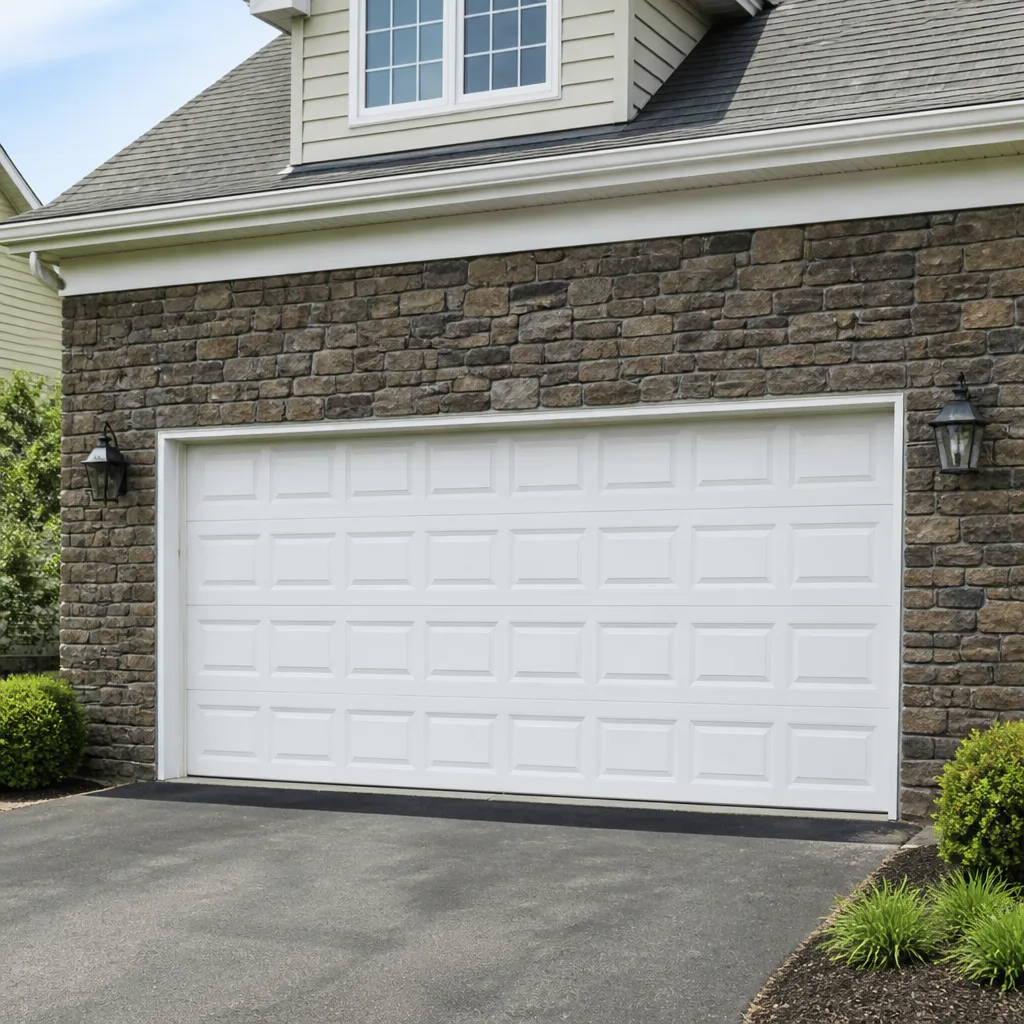 Raised-panel steel
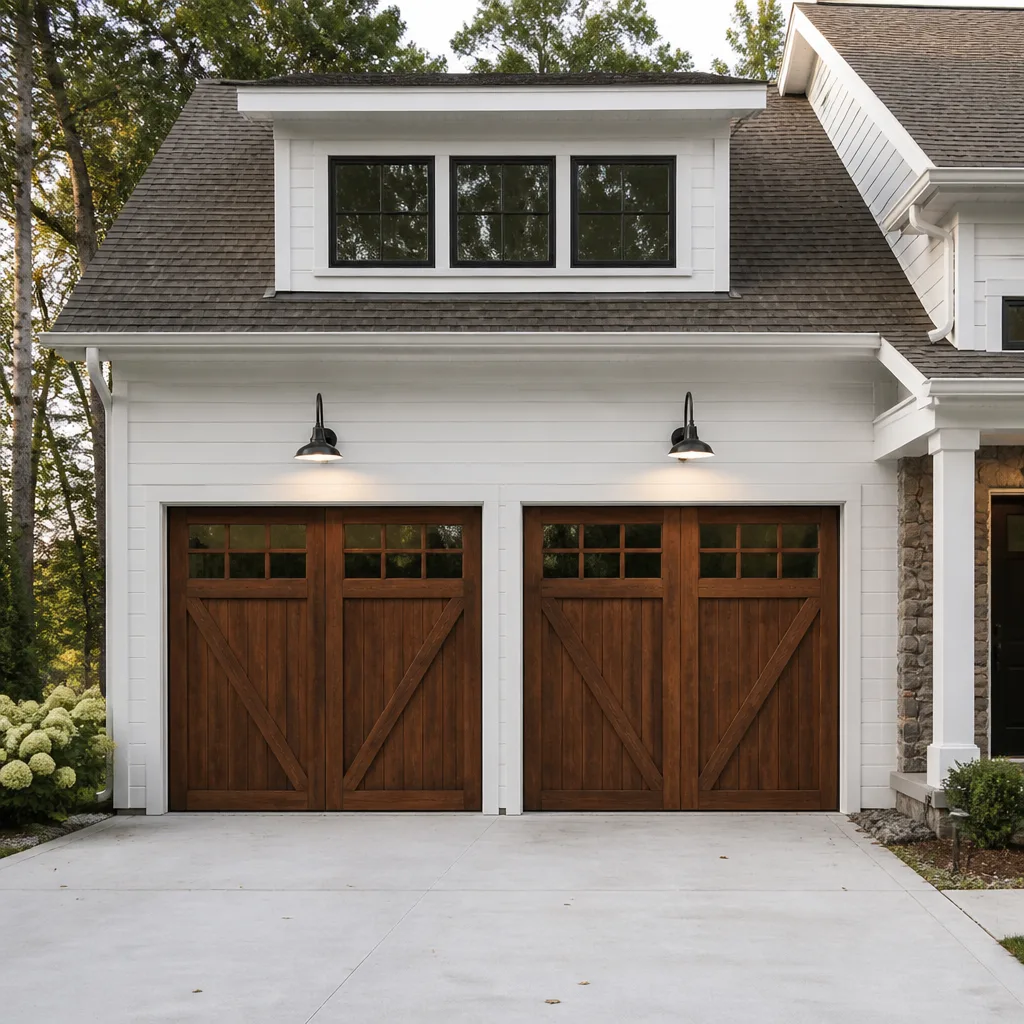 Carriage house
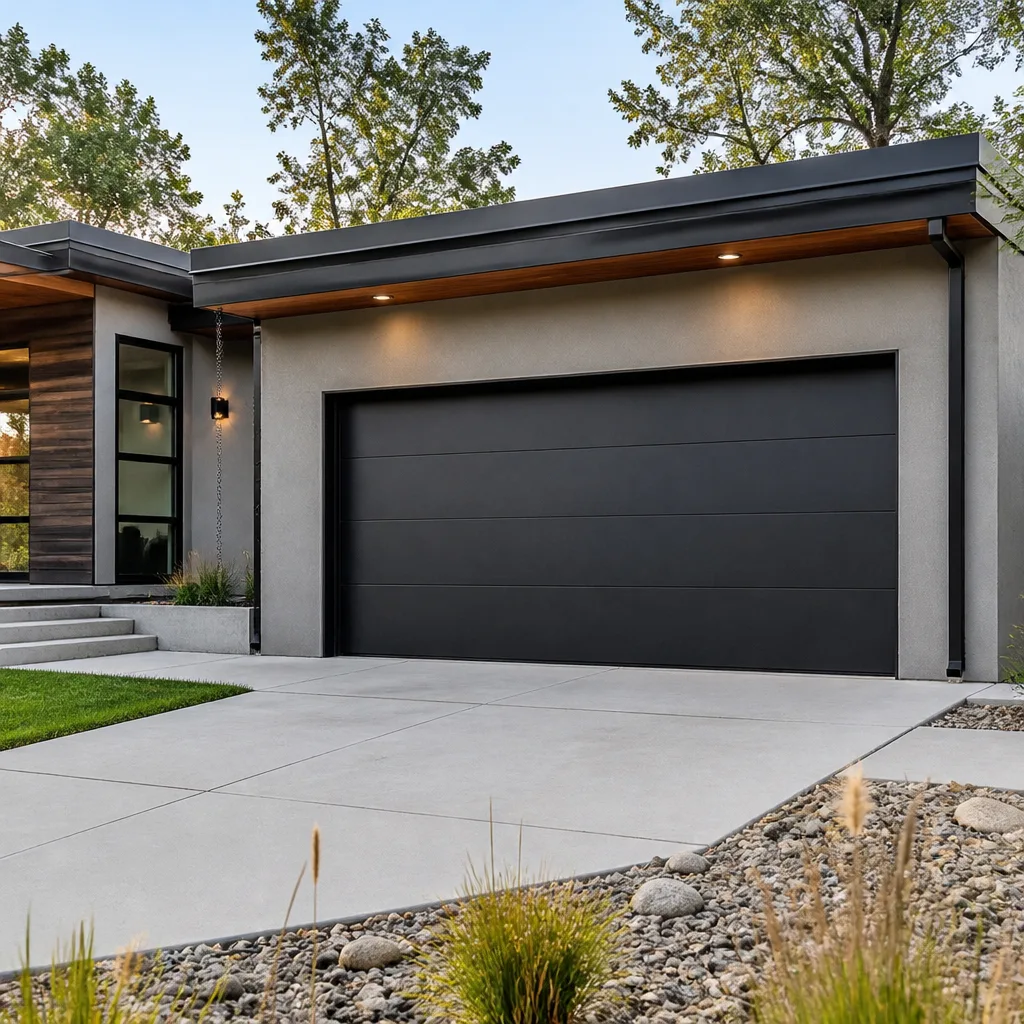 Modern flush
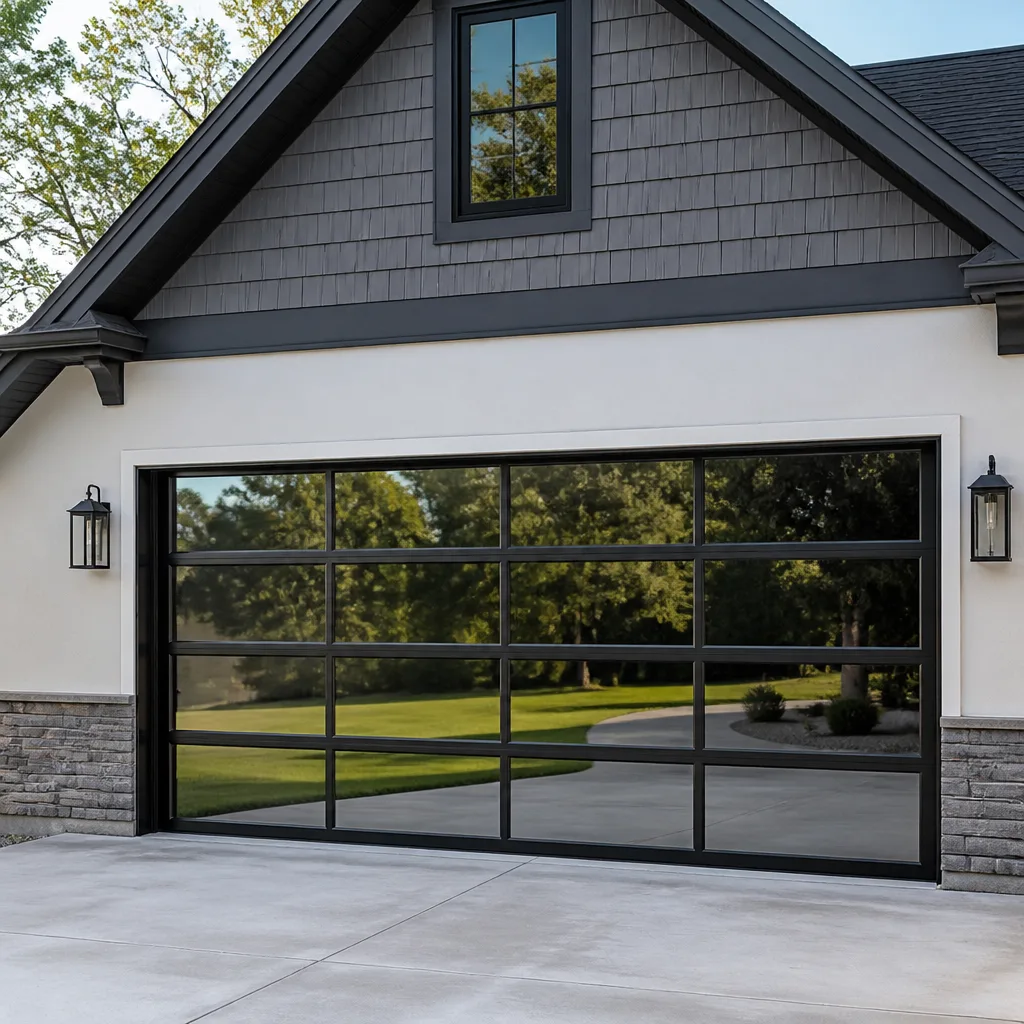 Full-view glass
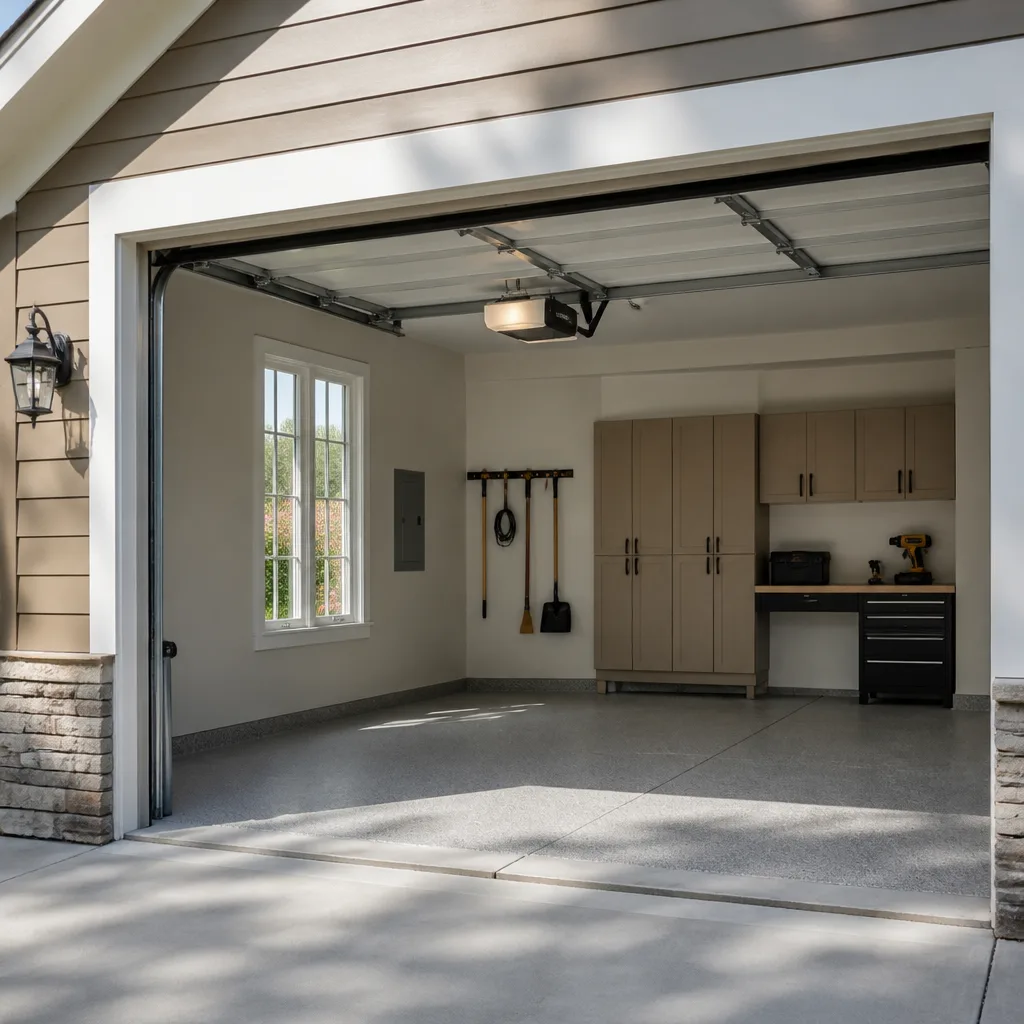 LiftMaster openers
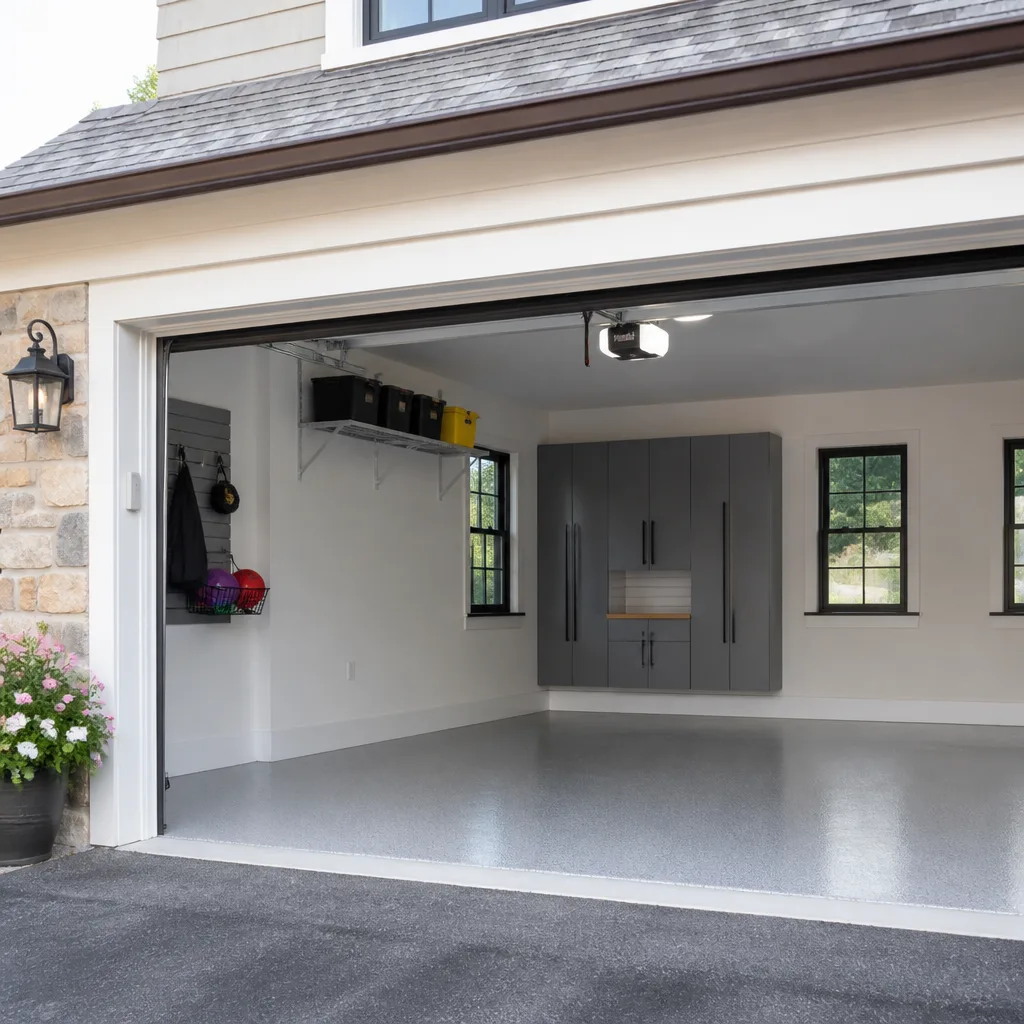 Chamberlain openers
Full 25-point door and opener safety check with every visit - springs, cables, rollers, tracks, and your LiftMaster or Chamberlain opener included
You get a price before we start. It does not change when the pro arrives.
Get your free estimateThe Complete Guide to Garage Doors in Lakewood
Most Lakewood garages were built when a standard single door was 8 feet wide. Today’s average SUV is nearly 7 feet wide with the mirrors folded, and thousands of local homeowners are one careless pull-in away from a bent panel or a crushed track. That mismatch is the starting point for everything in this guide, because it explains why so much of what gets written about garage doors online doesn’t apply to the houses on Lakewood’s streets. Here you’ll find how the city’s older housing stock shapes sizing, opener choice, material selection, and what a replacement actually involves, plus how Erie County weather and Lakewood’s narrow lots change the answers.
Quick Answer
Garage doors in Lakewood usually need a careful site assessment before anything is quoted, because most of the housing stock predates 1970 and the detached garages sit on narrow lots. Sizing, opener compatibility, and whether the structure can carry a heavier insulated door all have to be checked on site, not guessed from a driveway glance. A written estimate from a specialist who knows old Lakewood garages is worth more than a phone quote from someone who doesn’t.
Styles & brands we work with
- Raised-panel steel
- Carriage house
- Modern flush
- Full-view glass
- LiftMaster openers
- Chamberlain openers
Table of Contents
- How Lakewood’s Older Housing Stock Shapes Your Garage Door
- Door Sizing on Narrow Lots and Alley Access
- Materials That Hold Up to Lake Erie Weather
- Opener Compatibility with Older Garage Structures
- Can Your Garage Structure Support a Heavier Door?
- What a Lakewood Permit Covers (and What It Doesn’t)
- Repair or Replace? Deciding for an Older Door
- What Garage Door Work Costs in Lakewood
How Lakewood’s Older Housing Stock Shapes Your Garage Door
Lakewood grew up fast in the early twentieth century, and the garages built alongside those houses reflect the cars of the era: narrow, short, and often detached at the back of the lot. Most homes here went up before 1970, which means the framing, the opening dimensions, and the header above the door were all sized for a very different vehicle and a very different door technology. When you call about garage door repair on a Lakewood house, the first useful question isn’t which brand of door you have. It’s when the garage was built and how the opening is framed.
What that history means in practice:
- Many openings measure 8 feet wide instead of the modern 9-foot standard, so today’s off-the-shelf doors don’t drop in without modification.
- Ceilings are often low, which limits headroom for torsion spring assemblies and rails.
- Wall construction varies street to street, some garages are brick, some frame over masonry, some are old block.
- Detached garages along alley lines often sit closer to the property edge than modern setbacks would allow.
None of this is a reason to give up on the garage. It’s a reason to have someone who has measured Lakewood openings do the assessment. A generalist will bring a tape measure and a catalog of standard sizes. A specialist knows that older Lakewood garages need custom-sized doors or careful re-framing, and knows how to tell which approach makes sense for a given structure before a single part gets ordered.
Door Sizing on Narrow Lots and Alley Access
A door that’s a hair too wide for an older opening isn’t a door, it’s a headache. On Lakewood’s narrow lots, the space between the garage and the property line is often tight enough that a wider door would require moving the whole front wall, and that’s a different job from a replacement. Alley access adds another constraint: when a garage faces a rear alley with limited turning room, a swing-out or side-sliding configuration that seemed appealing on paper may not work once you’ve actually driven in.
Here’s the sequence we recommend for sizing an older Lakewood garage correctly:
- Measure the finished opening width and height, not the rough framing, because trim and stop moldings eat into the usable space.
- Measure the garage’s interior width and the clearances on both sides, since a door needs room for tracks and hardware.
- Check the ceiling height and confirm the headroom available for a torsion or extension spring system.
- Note the lot constraints: how far back from the street the garage sits, whether the driveway is shared, and how much turning room the alley gives you.
- Decide whether a custom-sized door makes more sense than widening or re-framing the opening, which is where the cost starts to climb.
None of this is glamorous, but getting it right at the measuring stage saves the frustration of a door that half opens and half doesn’t. On a narrow Lakewood lot, this is the single most important step.
Materials That Hold Up to Lake Erie Weather
Lakewood’s weather is a grind on garage doors. Humidity rises in summer and drops in winter, which means freeze-thaw cycles push on every seam and seal. Across a Lakewood year, a garage door goes through dozens of expansion and contraction cycles, and older steel doors that weren’t built for this climate start to show it at the bottom panel edges and around the hinges. Picking the right material isn’t about aesthetics. It’s about which door will still open smoothly after a few seasons of this.
What tends to hold up in Lakewood:
- Insulated steel is the most common choice here. It resists the freeze-thaw cycle well, and the insulation helps moderate the garage’s temperature swings, which matters for attached garages where the garage shares a wall with the house.
- Aluminum works well for lower-weight doors and doesn’t rust, but it needs care around the paint finish and can ding more easily on a narrow lot where a bumper tap is more likely.
- Wood has character and suits older Lakewood homes with matching siding, but it demands regular paint or stain to survive the humidity swings. Without upkeep it warps at the panel joints.
- Composites sit in the middle: they mimic wood and resist moisture without the refinishing schedule, and they’re a solid choice where the architecture calls for a heritage look.
Wayne Dalton and Raynor both make lines that suit older Lakewood homes without looking out of place on a pre-war street. We work on the brand already in your garage, so the conversation is about what’s right for your structure, not what we happen to sell.
Opener Compatibility with Older Garage Structures
An opener is only as good as the door and structure it’s mounted to. On a Lakewood garage that was built before residential openers were common, the ceiling framing may not have been designed to carry the weight of a motor and rail, and the door itself may not have the counterbalance setup modern openers expect. This is where garage door opener repair on an older Lakewood home turns into more than a swap of one unit for another.
Where problems usually come up:
- Low headroom. Standard openers need a specific clearance above the door. On older low-ceiling garages, a low-profile rail or a jackshaft setup may be the only workable answer.
- Mounting strength. Ceiling joists on older garages can sag under a motor that sits at the center of a long rail, so an added support bracket is often needed.
- Balance. An opener will work harder on a door that hasn’t been properly balanced, and the extra strain shortens the motor’s life. Getting the door itself sorted out first is worth doing.
- Safety sensors. Modern openers require sensors at the base of the door, and on narrow openings the sensor alignment needs careful attention.
LiftMaster and Chamberlain units are both built to work with the safety and force-limit standards that matter here. What matters more than the brand is matching the opener to the door’s weight and the structure above it. A door that’s too heavy for the opener will keep wearing out motors, and the fix isn’t more motors.
Can Your Garage Structure Support a Heavier Door?
Older Lakewood garages were framed for a light wood door, sometimes weighing half of what a modern insulated door does. When you upgrade to an insulated steel door, the load lands on the header above the opening, the side jambs, and the tracks. On a sturdy brick or block garage this is usually fine. On a frame garage that hasn’t been reinforced, the header can sag under the extra weight, and the door will start catching on the track within a season or two.
How we assess whether the structure can carry a heavier door:
- Look at the header above the opening. Is it solid on both ends, and is there any visible sag or bow?
- Check the side jambs for cracks or movement where the tracks are anchored. Loose anchors are a sign the framing needs attention first.
- Measure the existing door’s weight, then compare it to the weight of the new door’s model spec.
- Confirm the ceiling joists are sound enough to mount an opener.
- If the header or framing needs reinforcement, get that done before the new door gets delivered, not after.
This is one of those steps that’s easy to skip and expensive to skip. Header reinforcement on a small garage is a modest construction job when planned at the start. When it’s discovered after the door is on, it becomes a removal and reinstallation.
What a Lakewood Permit Covers (and What It Doesn’t)
Permit rules vary by city and change over time, so the only reliable answer for your property is the one from the city’s building department. What we can tell you is how the distinction usually plays out: replacing an existing door in the same opening, same size, same operation, often falls into a lighter or exempt category, while structural changes, widening an opening, or relocating a door usually require a permit and possibly a plan review. Lakewood’s building department is the authority here. A phone call before you order a door clarifies what applies to your address.
What generally sits on each side of the line:
- Usually a straight replacement: same size, same location, same operation. Finish work on an existing opening.
- Usually covered by a permit: any structural alteration to the header, opening, or jambs; widening an opening; changing a door’s swing or operation type; and any work on a garage that shares a wall with the house where the door line changes.
- Worth confirming every time: electrical work for a new opener, especially if the garage didn’t have power to the door line before, and anything that moves the door’s track or mounting.
Ask the building department for the exact scope and current fee before any work begins. Any local garage door company worth calling should be comfortable with that conversation and ready to work alongside whatever the inspector requires.
Repair or Replace? Deciding for an Older Door
On a Lakewood garage door that’s been opening and closing for decades, the repair-or-replace question comes down to three factors: what’s actually failing, whether the surrounding parts will keep the door working, and whether the structure is ready for something heavier. There’s no single rule, but there’s a clear way to think about it.
Three situations where repair is usually the right call:
- The door is balanced, the panels are intact, and the only issue is a broken spring, a damaged opener, or a snapped cable.
- The structure and the existing door weight are a good match, and a replacement would force reinforcement work.
- The door is a solid quality unit that’s simply due for a service and a hardware refresh.
Three situations where replacement usually makes more sense:
- The door’s panels are rusted through at the bottom or dented beyond repair, and the tracks are in similar shape.
- The door is one bad stumble away from being a hazard because the balance is off and won’t hold with a fresh spring set.
- The current door is so heavy or so poorly sized for the opening that the opener and the tracks are both wearing out faster than they should.
Springs are the trickiest call. A torsion or extension spring under tension can take a finger if it’s handled wrong, so garage door spring repair is the one repair we never suggest a homeowner attempt alone. A door that won’t lift without a hard pull, or that slams down when lowered, is a door that needs a trained look now, not next season.
What Garage Door Work Costs in Lakewood
Pricing depends on the size and condition of the opening, the door material, the brand of hardware, and how much structural work the older garage needs. That said, typical estimates for the most common jobs fall into these ranges. Treat these as starting points; the written estimate for your door is the price.
- Broken spring (one spring): usually a modest, single-job price. Replacing a matched pair costs roughly double, since both springs are usually replaced together.
- Opener repair: ranges from a circuit-board or sensor fix on the low end to a full motor and rail replacement on the higher end.
- Panel or hardware repair: depends on the door line, so older doors with limited parts availability cost more.
- Full installation, single-car garage: wider range because sizing, structure reinforcement, and material choice all move the number.
- Full installation, two-car garage: typically higher again, with the same dependencies.
The written estimate is what we hold to. When we quote a job, the number is agreed before any work begins, and it doesn’t shift because the job took longer than expected. The one thing that changes a quote legitimately is discovering structural problems during the assessment, and those are discussed with you before we move forward. If it changes, you’ll hear it from us first.
For a free estimate on any of this, call Oakes Garage Door Repair and we’ll talk through your door and your garage structure.
Common Mistakes to Avoid
- Buying a standard door online and assuming it will fit. An 8-foot opening is common in older Lakewood garages, and standard doors are 9 feet. Measure the actual finished opening before you order anything.
- Replacing the door without checking the structure first. A heavier insulated door puts new weight on an old header. Skipping the framing check turns a replacement into a re-framing job after the door is on the wall.
- Ignoring the opener’s age and mounting. A new door paired with an old opener that’s been strained for years will keep wearing out motors. Match the opener to the door’s weight, or both parts of the system suffer.
- Assuming the permit is someone else’s problem. Structural changes usually need a permit. Confirm with Lakewood’s building department, and don’t let a contractor brush the question aside.
- Treating springs as a weekend project. Torsion and extension springs are under extreme tension, and the injury risk is real. This is one repair to hand to a specialist.
- Choosing a door for looks alone. Lakewood’s humidity swings and freeze-thaw cycles chew through the wrong finish quickly. Pick the material for the climate, then pick the style.
- Calling the first company in the search results. On an older Lakewood garage, an assessment from someone who’s worked on pre-1970 openings is worth more than a lower phone quote. The job done right the first time is the cheaper job.
See the difference
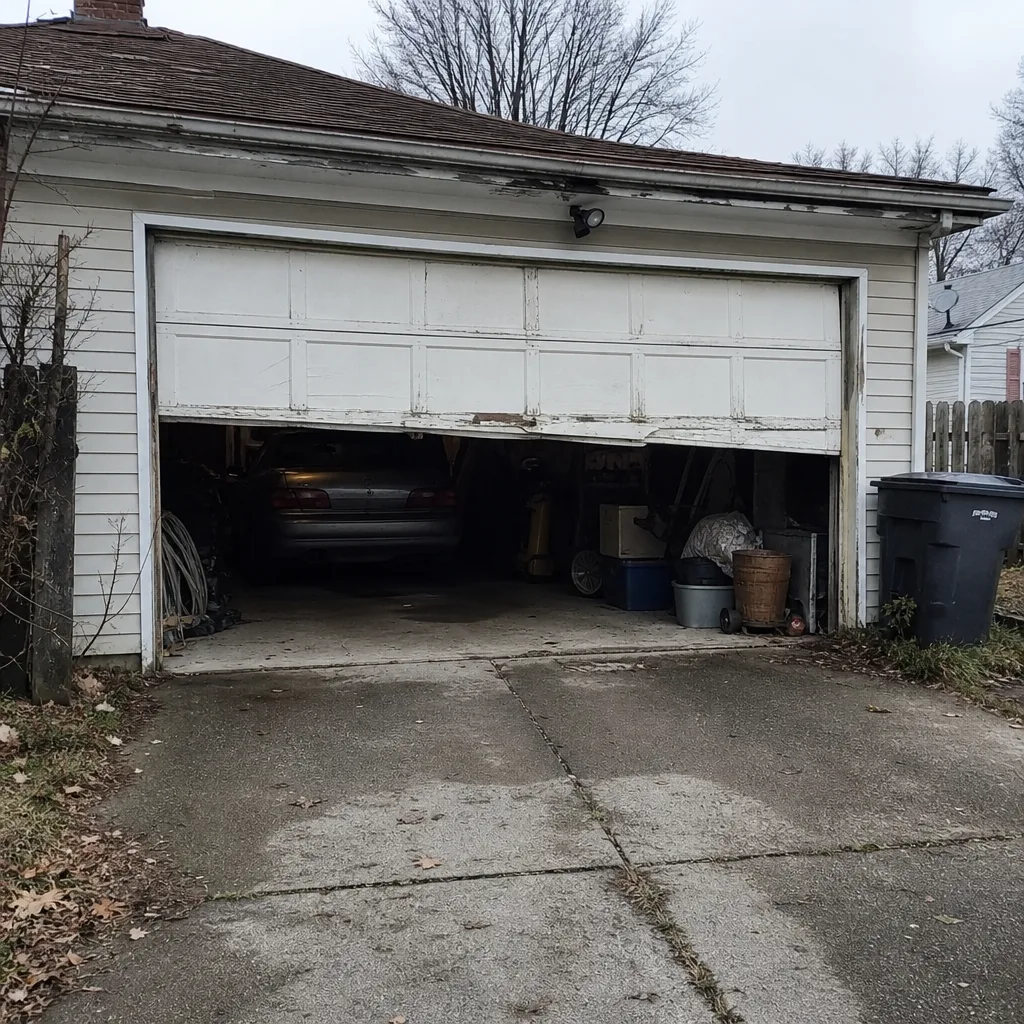 Before
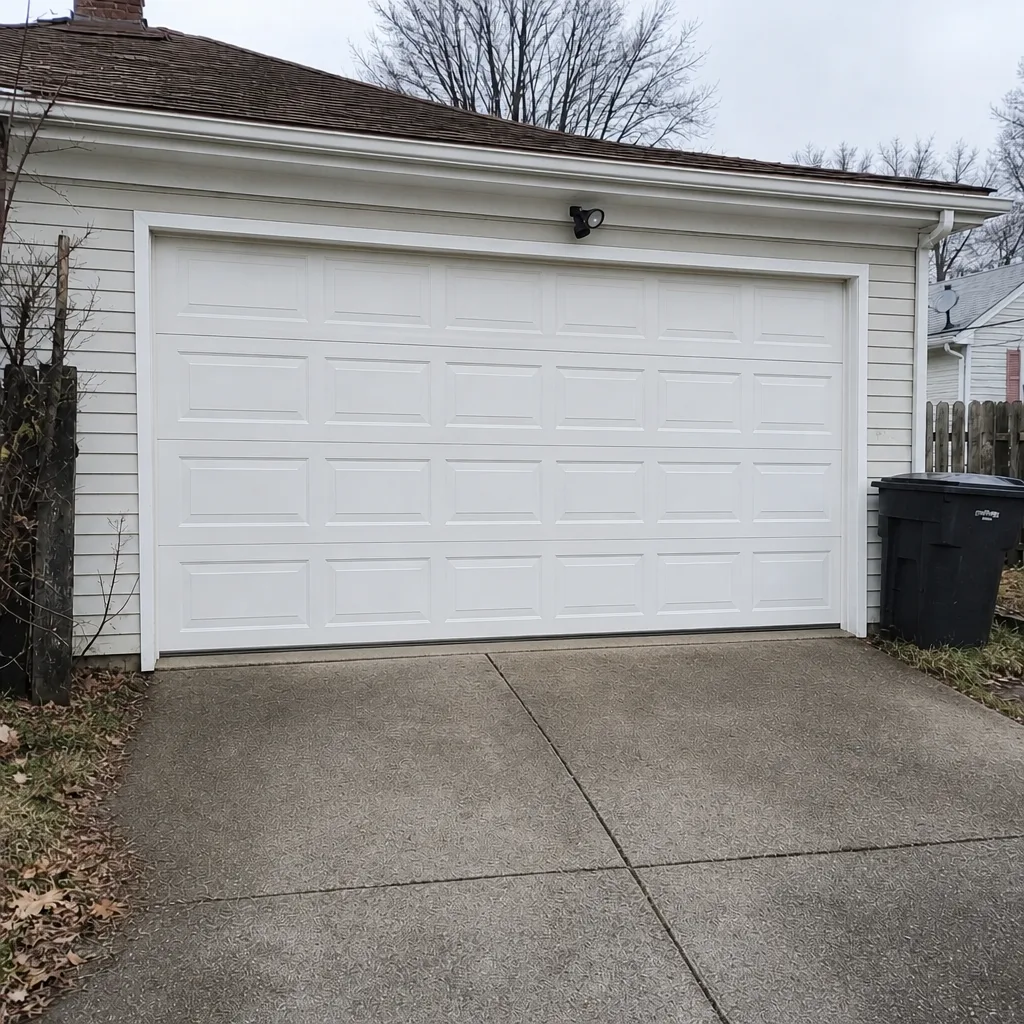 After
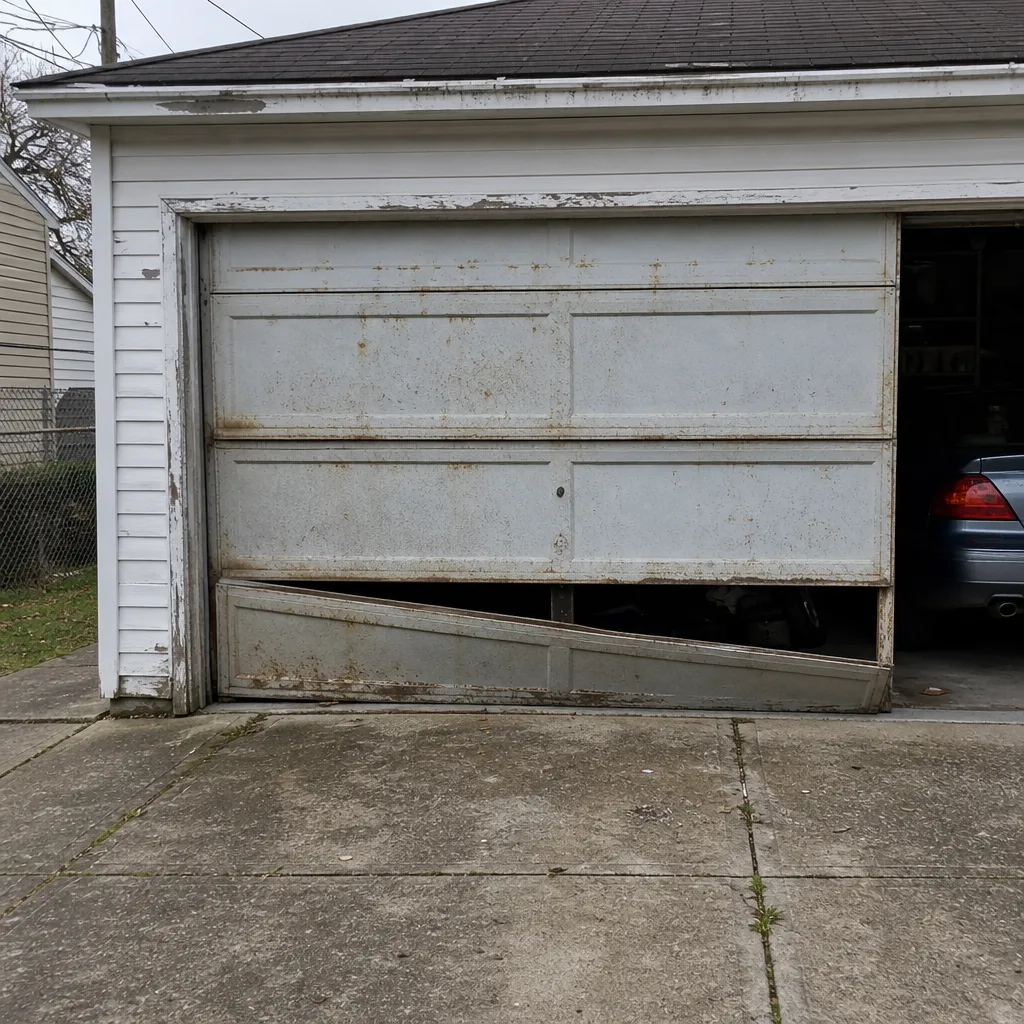 Before
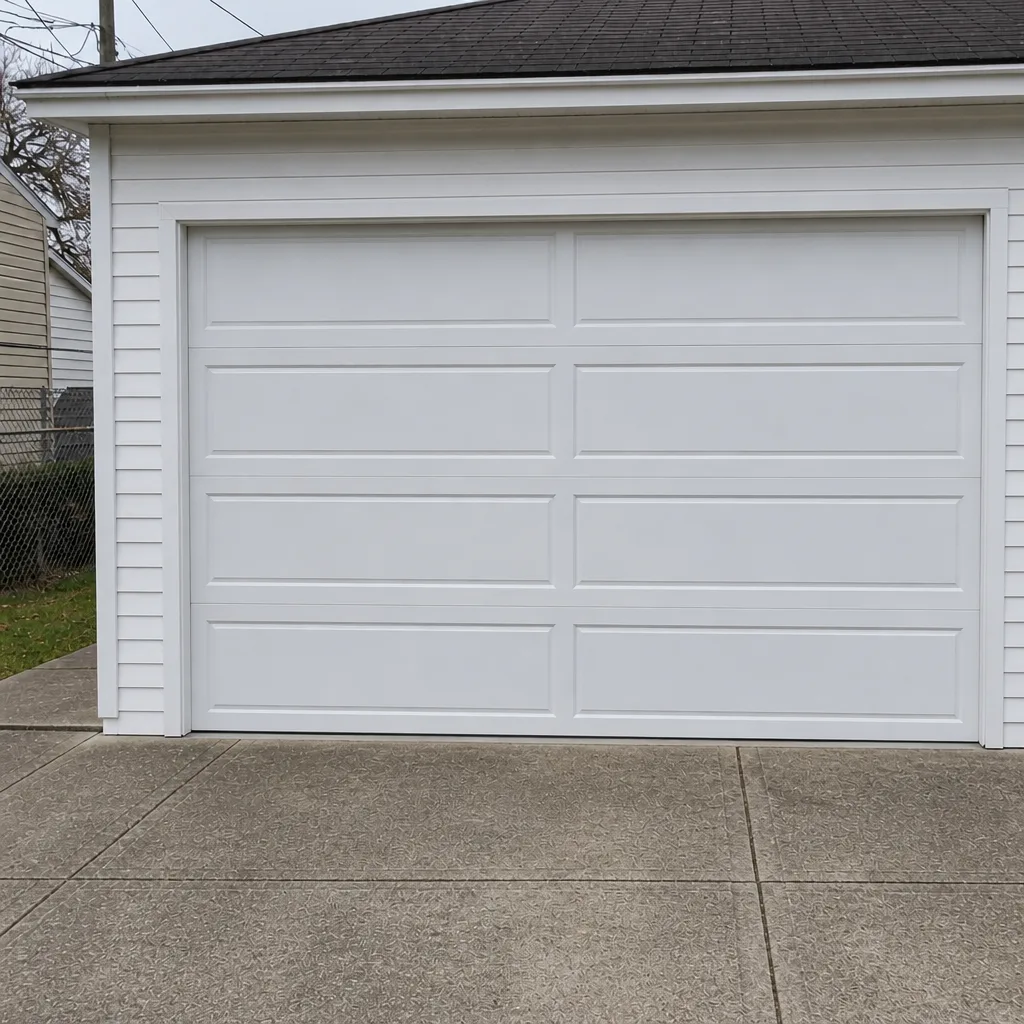 After
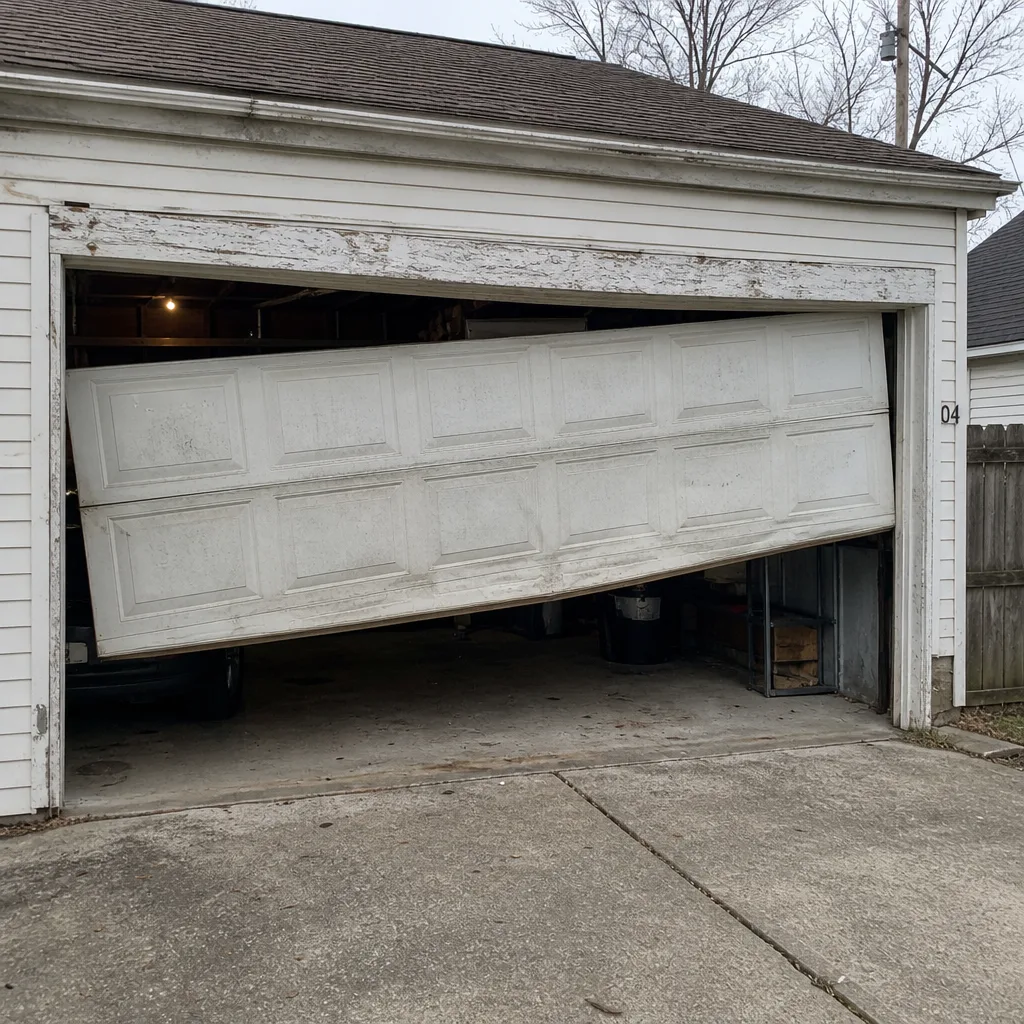 Before
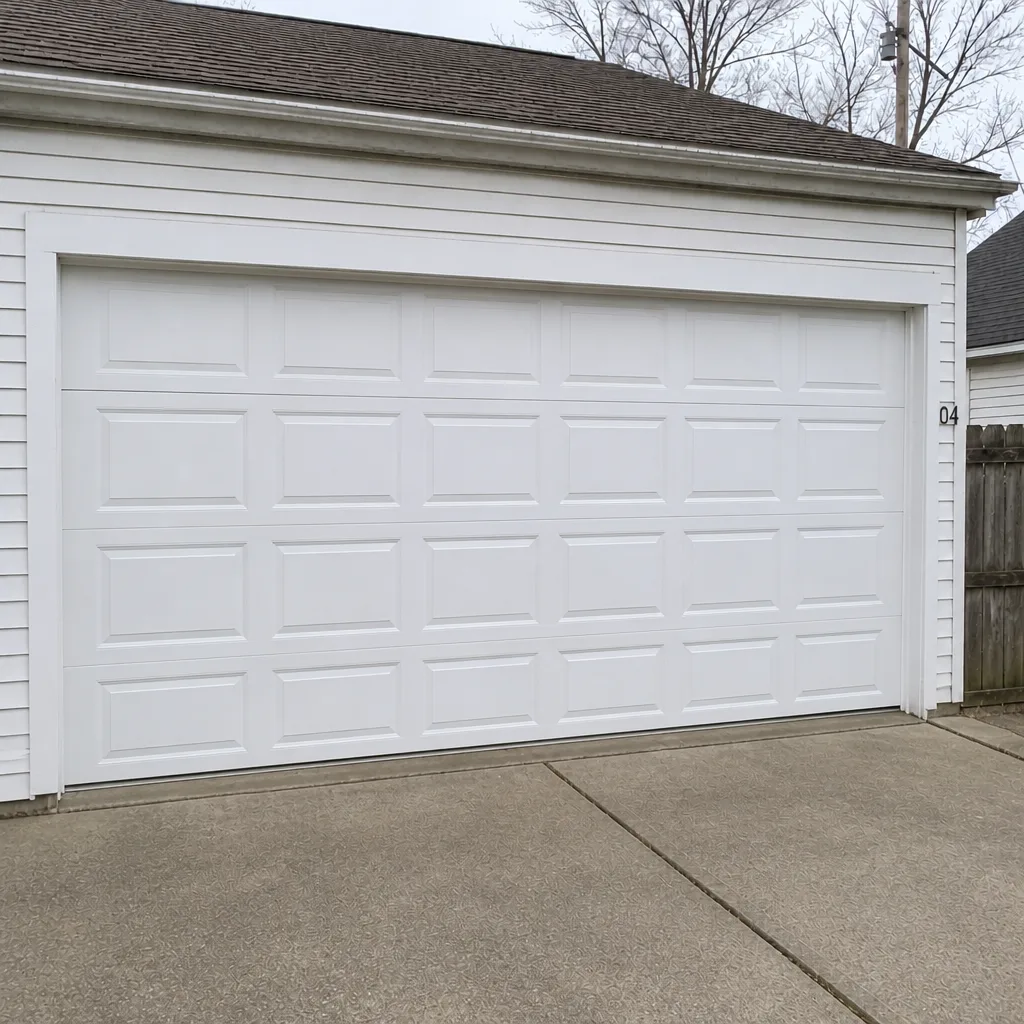 After
When to Call a Professional
Some things are worth a call. If your door won’t close or won’t open at all, if a spring has visibly snapped, if a cable has come loose, or if the door hangs crooked or drops hard when you lower it, that’s a job for a trained tech. Electrical issues with the opener, sensors that won’t stay aligned, and any structural question about a heavier door also belong in a professional assessment, not a half-day of trial and error. Emergency service matters here too, and Oakes Garage Door Repair offers emergency garage door service when the door fails at the wrong moment. Free estimates in Lakewood are available on any planned work, repairs or full installs, and calling is the fastest way to get a real answer on your specific door. Reach us at (844) 959-0082.
Frequently Asked Questions
There’s no single standard in Lakewood because most homes here were built before 1970, and 8-foot openings were common in that era. Modern single doors are typically 9 feet wide, so having your finished opening measured before ordering is essential. Call (844) 959-0082 and we can talk through how to measure yours.
Usually yes, but the header needs to be inspected first. Insulated doors weigh more than the light wood doors older garages were built for, and the header, jambs, and tracks all carry that extra load. A quick on-site assessment will tell you whether the existing framing can handle the new weight or needs reinforcement. For the right answer on your garage, call us for a free estimate.
It depends on the repair. A single broken spring runs less than a matched pair, since both springs are usually replaced together. Panel repairs and opener repairs vary with the brand and the parts needed. The written estimate sets the final price, and we quote and agree on it before any work starts. Call (844) 959-0082 for a free estimate.
It depends on the scope. Straight replacements in the same opening usually fall into a lighter category, but structural changes, widening, or altering the opening typically require a permit. Lakewood’s building department has the final say, so call them before the door is ordered and before work starts. Ask for the current scope and fee for your address.
Usually the springs. Torsion and extension springs are the parts that counterbalance the door’s weight, and when they lose tension the door feels heavy and closes with a slam. This is also the most dangerous repair on a garage door, so don’t try to fix it yourself. A trained technician can assess the springs safely.
We work on eight of the most common garage door and opener brands: LiftMaster, Chamberlain, Genie, Clopay, Amarr, Wayne Dalton, Craftsman, and Raynor. Whatever is in your garage, we know the parts and the quirks. Call (844) 959-0082 and we’ll confirm before a visit.
The Bottom Line
Older Lakewood garages aren’t a problem to work around. They’re the starting point. Most homes here were built before 1970, which means the door opening, the framing, and the ceiling clearance are all sized for a different era, and getting the right answer depends on a specialist who checks the actual structure before quoting anything. Measure carefully, check the header before you go heavier, choose a material that survives the freeze-thaw cycle, and confirm permit scope with Lakewood’s building department before work begins. The written estimate is the number you hold us to. When you’re ready, call (844) 959-0082 for a free estimate on Lakewood garage door work. Garage doors are all we do, and it shows.
Written by the team at Oakes Garage Door Repair.