Last updated November 22, 2026
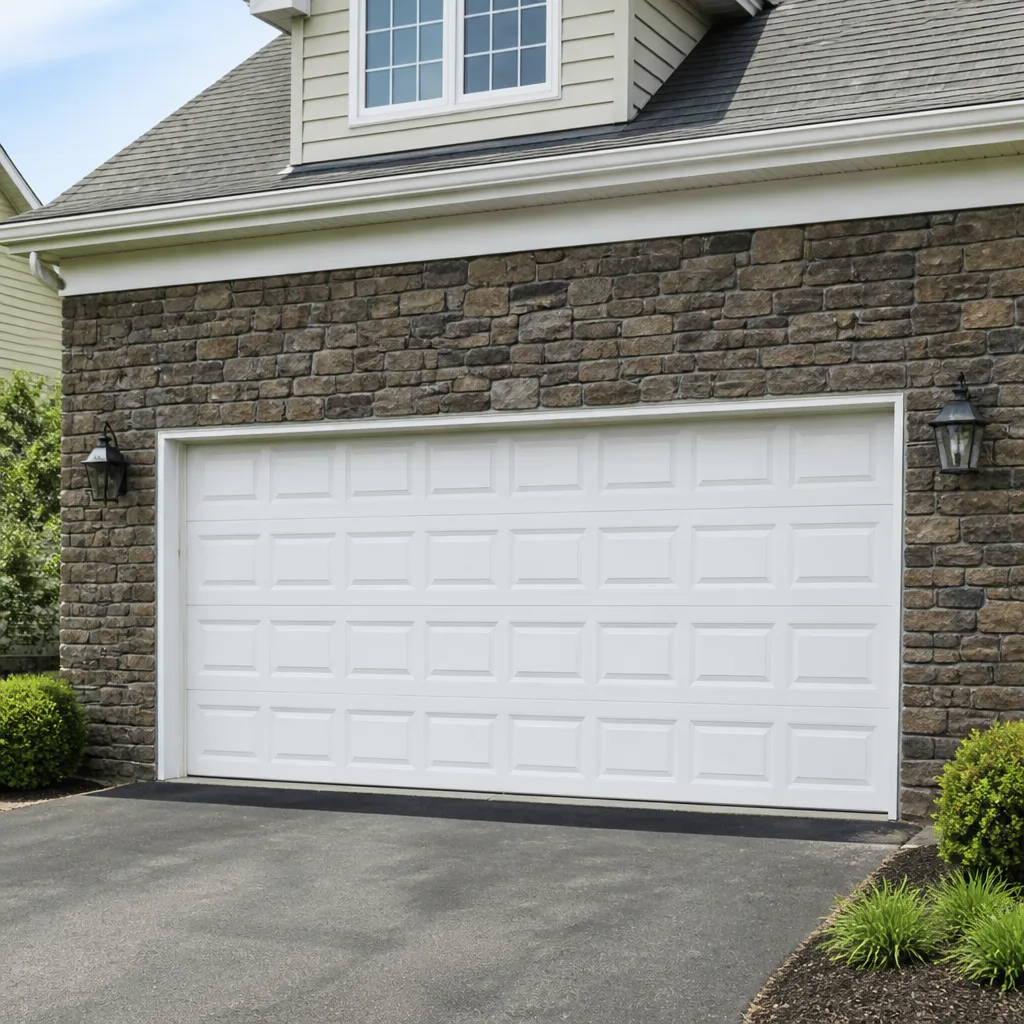 Raised-panel steel
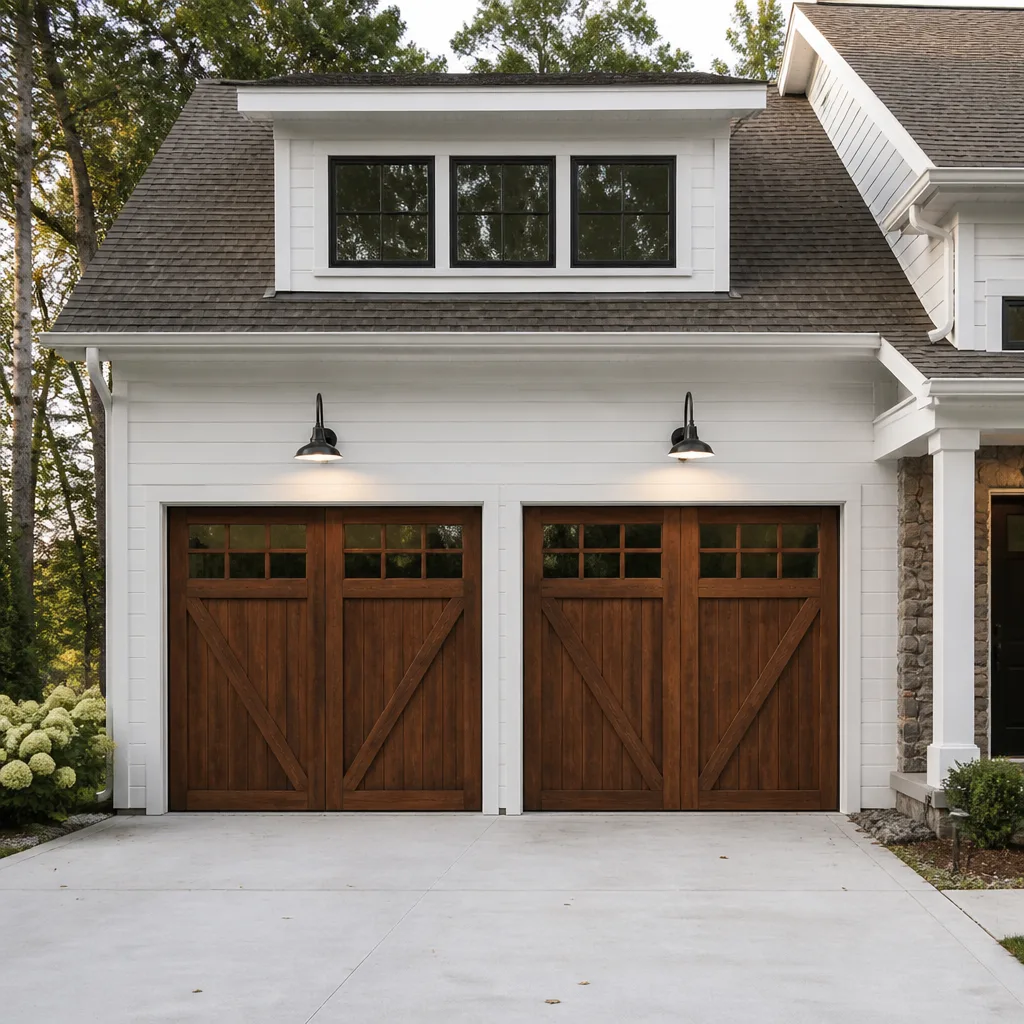 Carriage house
 Modern flush
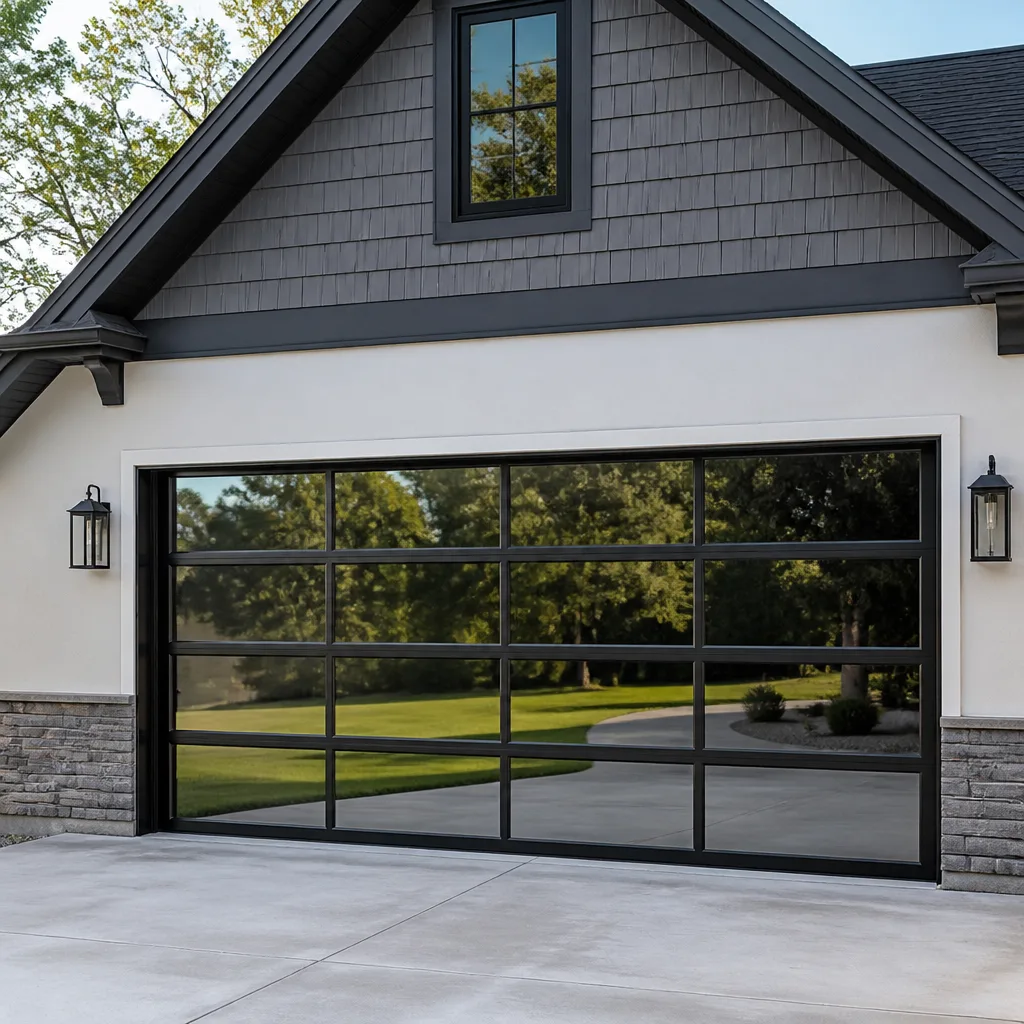 Full-view glass
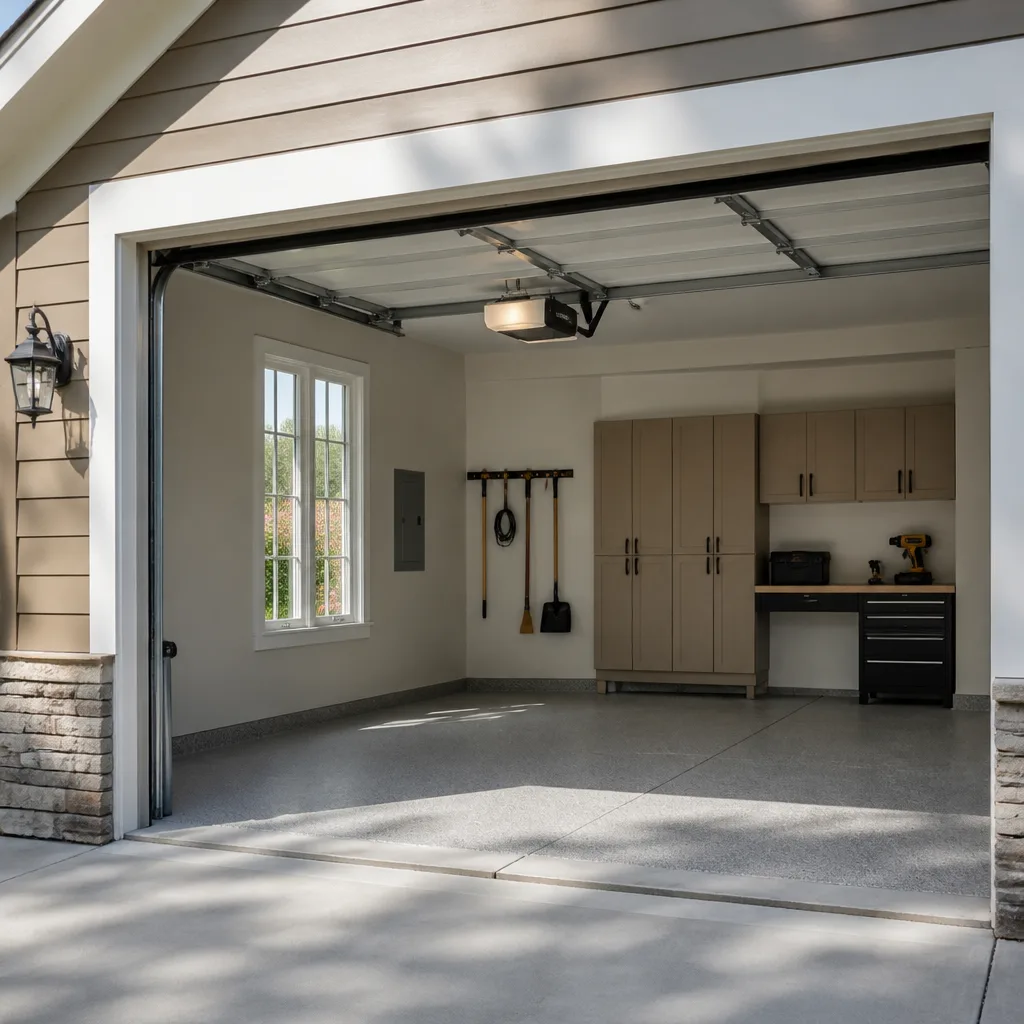 LiftMaster openers
 Chamberlain openers
Full 25-point door and opener safety check with every visit - springs, cables, rollers, tracks, and your LiftMaster or Chamberlain opener included
You get a price before we start. It does not change when the pro arrives.
Get your free estimateGarage Door Emergency Preparedness Guide for Lakewood Homes
Most garage door “emergencies” aren’t sudden failures. They’re decisions made months earlier that come due at the worst possible moment. When a lake-effect storm drops heavy snow overnight and your opener strains against a frozen seal at 6 a.m., you have a short window before a small problem becomes an expensive one. The homeowners who get through Lakewood winters without a crisis are the ones who prepared in October, not the ones who called around in January. This guide covers the two kinds of emergencies Lakewood homes actually face – weather-driven failures and deferred-maintenance breakdowns – and gives you a different response protocol for each. By the end you’ll know how to disengage a door safely, thaw a frozen seal without wrecking it, secure a door that’s lost spring tension, and build a five-item kit that handles most situations.
Quick Answer
Garage door emergencies in Lakewood come in two forms: failures triggered by Lake Erie weather and failures caused by skipped maintenance on springs, cables, and openers. Weather emergencies call for patient thawing and a manual release; mechanical failures call for securing the door and a same-day call to a specialist. For any spring, cable, or track damage, don’t force the door – call a trained technician. Oakes Garage Door Repair offers free estimates in Lakewood at (844) 959-0082.
Styles & brands we work with
- Raised-panel steel
- Carriage house
- Modern flush
- Full-view glass
- LiftMaster openers
- Chamberlain openers
Table of Contents
- The Two Kinds of Garage Door Emergencies in Lakewood
- What to Do When the Power Goes Out
- How to Handle a Frozen Garage Door
- Securing a Door That’s Lost Spring Tension
- When a Vehicle Damages the Door or Track
- Building Your Five-Item Emergency Kit
- Preventing Emergencies Before They Start
- A Winter Routine for Lakewood Homeowners
The Two Kinds of Garage Door Emergencies in Lakewood
Lakewood sits right on Lake Erie, and that geography shapes garage door wear in ways that inland suburbs don’t see. Lake-effect snow can pile up fast, and the freeze-thaw cycle that follows is brutal on door seals, bottom weatherstripping, and the metal tracks your rollers ride in. That’s the weather category. The second category is deferred maintenance, and it’s the one homeowners control completely.
Weather-driven emergencies look like this: a door frozen to the ground, an opener straining against a stiff seal, ice packed into the track after a plow pushes snow against the apron. These tend to happen suddenly and are usually recoverable without parts.
Maintenance-driven emergencies look different: a spring that snapped after years of cycling, a frayed cable that finally gave, an opener gear worn smooth. These rarely happen without warning signs – you just have to know what to look for.
Why does the distinction matter? Because the response is different. A frozen door needs patience and the right technique. A broken spring needs a professional, and often the same day. Mixing up the two – forcing a frozen door, or trying to DIY a spring – is how small problems become large ones. In Lakewood’s older housing stock, especially the doubles and bungalows near Madison Avenue and Detroit Avenue, doors often carry years of accumulated wear, which makes knowing the difference even more important.
What each type usually sounds and looks like
- Weather: Door won’t budge when the opener engages; grinding sound from the bottom seal; ice visible in the track or at the apron.
- Maintenance: Loud bang from the spring area; door suddenly heavy or slams shut; opener runs but door doesn’t move; cable hanging loose on one side.
What to Do When the Power Goes Out
Every garage door opener has a manual release, and knowing how to use it before you need it is the single most useful skill in this guide. If the power goes out and you need to get a car out, here’s the safe sequence.
- Close the door first. If the door is open, let it come down – if the opener allows – or lower it by hand slowly before you touch anything else.
- Locate the red release cord. It hangs from the trolley on the opener rail. On most LiftMaster and Chamberlain units, it’s a red handle with a cord.
- Pull straight down firmly. This disengages the trolley from the door arm. You’ll hear a click.
- Lift the door by hand, slowly. A properly balanced door should lift with one hand and stay where you put it. If it’s heavy or won’t stay up, stop – that’s a spring or balance problem, not a power problem.
- Re-engage carefully. When power returns, pull the cord again or cycle the opener to reconnect the trolley. Test the safety reverse before you trust it.
One warning: never disengage a door that’s frozen shut or has a broken spring and expect it to behave. Without spring tension, a door can fall hard and fast. If the door feels heavy, keep it closed and call for help. Our garage door opener repair team handles failed units across all the major brands, including Craftsman and Raynor openers that are common on older Lakewood homes.
How to Handle a Frozen Garage Door
When a door is frozen to the ground or its seal is iced to the frame, the worst thing you can do is force it. An opener pushing against a frozen seal will burn out its motor, strip gears, or snap a weakened cable. That’s how a small thawing job becomes a full repair.
What to apply
- Warm (not boiling) water along the bottom seal to free it from the apron.
- A silicone-based lubricant on the weatherstripping once it’s free, to reduce future sticking.
- A broom to sweep snow away from the door before opening it.
What never to apply
- Rock salt or ice melt directly on the seal or track – it corrodes the metal and degrades rubber.
- Boiling water, which can crack seals and warp thin metal.
- A hammer or pry bar to break the ice loose – this dents panels and bends tracks.
- Force from the opener. If it’s straining, stop and disengage.
Lakewood doors face this repeatedly from December through March. The fix that lasts is prevention: keep the apron clear, apply a silicone spray to the bottom seal before the first hard freeze, and check that the door isn’t sitting directly on ice. If your door is already binding every winter, the seal or the bottom section may need replacing – call in a specialist for a look.
Securing a Door That’s Lost Spring Tension
A broken torsion spring announces itself with a loud bang. An extension spring may just go slack. Either way, a door without spring tension is dangerously heavy and can slam down without warning. If you can’t get a technician out immediately, you need an interim fix that keeps the door secure.
Here’s what to do in the meantime:
- Leave the door in the closed position. Don’t try to open it. A door with no spring tension is a falling hazard.
- Disengage the opener. Pull the manual release so the opener isn’t fighting a door it can’t lift.
- Lock the door manually. Most residential doors have a slide lock on the inside; use it. If yours doesn’t, a pair of locking pliers clamped onto the track above a roller will hold the door down temporarily.
- Block the door if it’s on a slope. A wedge under the bottom edge stops any creeping.
- Don’t prop it open and walk away. A door held up by a prop is a door waiting to fall.
This is a stopgap, not a solution. Springs operate under extreme tension and require specialist handling – this is the task that separates a true garage door specialist from a generalist. Our garage door spring repair team handles torsion and extension springs on one call, and we’ll quote the price before any work starts. A single spring typically runs within a modest range; a matched pair is usually replaced together and costs about twice that.
When a Vehicle Damages the Door or Track
Backing into the door happens more than people admit, and the aftermath is often worse than the impact. A dented panel can leave the door stuck mid-travel, and a bent track can derail rollers, which means the door won’t close or won’t open – and either way it’s a security gap.
What to do right after a vehicle impact:
- Don’t cycle the opener. A bent track or misaligned panel will bind and cause further damage.
- Assess whether the door is stuck open or closed. If it’s open and the track is bent, don’t force it down.
- Keep it secure in the meantime. If the door won’t close, manually lock the track above a roller with locking pliers, or brace it if it’s partially open.
- Photograph everything for insurance purposes before any further movement.
- Call for repair rather than forcing the door. A bent bottom section or a warped track needs to be straightened or replaced, and the rollers and cables need inspection.
If the panel itself is dented but the door still moves smoothly, the door may just need a panel replacement. If the track is bent, the door shouldn’t be operated until it’s fixed. Our garage door repair team handles both, and we work on the brand already in your garage – Clopay, Amarr, Wayne Dalton, and others – without pushing a full replacement just to run up the bill.
Building Your Five-Item Emergency Kit
Five items, one small box, and most garage door emergencies stop being scary. Assemble this before the first freeze and keep it somewhere in the garage you can find without a flashlight.
- A pair of locking pliers. These clamp onto the track to hold a door down when the opener’s disengaged and the spring has failed.
- A silicone spray lubricant. For the bottom seal, rollers, hinges, and track – a few seconds of spray each season prevents most sticking and binding.
- A stiff broom. For sweeping snow and ice away from the door and apron before you open it. A snow shovel damages seals; a broom doesn’t.
- A rubber mallet and a wooden wedge. For gently tapping ice free of the seal and for blocking a door that’s creeping on a sloped driveway.
- A printed checklist with the phone number of your garage door specialist. When the power’s out, the internet’s down, and you’re standing in the cold, a printed card beats a search engine.
You may notice there’s no bolt cutter, no pry bar, and no hammer in this kit. That’s deliberate. Forcing a garage door is how most DIY calls become emergency repairs. The kit is built to contain problems, not dismantle the door.
If you want a real sense of what to keep stocked, we’d tell you the pliers and the silicone spray cover 80% of the small emergencies we’re asked about in Lakewood. The rest are jobs for trained hands.
Preventing Emergencies Before They Start
Most of what we get called for is preventable. Ten minutes of attention twice a year saves the emergency call. Here’s the short seasonal routine.
Before the first freeze (late fall)
- Lubricate rollers, hinges, and the spring with a garage-door-specific spray.
- Test the safety reverse: put a 2×4 flat on the floor under the door and lower it. The door should reverse on contact.
- Check the balance: disengage the opener and lift the door halfway. It should stay put. If it drops or rises, the springs are out of balance.
- Look at the cables: frayed strands, kinks, or slack on one side are all warning signs.
- Clear the apron of leaves and debris so it doesn’t freeze into the seal.
After the last freeze (spring)
- Check the wood around the frame for rot – Lakewood’s older homes are prone to it, especially on detaches facing the weather.
- Inspect the bottom seal for cracking or separation from the door.
- Look at the opener’s rail and belt or chain for slack or debris.
- Test the auto-reverse and the photo-eye sensors.
If any of these checks turns up something you can’t identify, that’s what we’re here for. Call Oakes Garage Door Repair at (844) 959-0082 for a free estimate. Our technicians have up to 8 years of experience, and we’ve seen enough failing hardware to know which warnings matter.
A Winter Routine for Lakewood Homeowners
Lakewood winters are hard on a garage. Between the lake-effect snow and repeated thaw-freeze cycles, the small stuff adds up. Here’s how to make the season easier.
- Shovel a path, not a pile. Push snow away from the door and to the sides of the apron. Piling it against the seal invites freeze-up.
- Spray the seal once a month. A quick silicone spray on the bottom weatherstripping keeps ice from bonding.
- Don’t leave the door cracked. An open gap lets cold air in, but it also lets snow and ice into the track overnight.
- Watch the opener. A motor that strains in cold weather is a motor that’s going to fail. If it sounds labored, call for a check.
- Keep the manual release accessible. Don’t stack boxes in front of the red cord. When the power’s out, you’ll want it.
- Check the door after any hard storm. A quick visual – ice in the track? seal stuck? door level? – catches problems early.
Older homes around Kamm’s Corners and the streets south of Clifton Boulevard often have original wood doors and older openers still running after many winters. They’ll survive with attention; they won’t survive neglect. If your door is binding more than usual this season, it’s not the cold – it’s the hardware.
Common Mistakes to Avoid
- Forcing a frozen door open. An opener pushing against a frozen seal burns out its motor or strips a gear. Thaw the seal first, every time.
- Using salt or ice melt on the seal or track. Salt corrodes the metal and degrades the rubber. Use warm water and a broom.
- Trying to fix a broken spring yourself. Spring repair is the highest-risk task in this trade. Torsion springs store enormous force; one slip and the result is serious injury. Call a specialist.
- Holding a door up with a prop and walking away. A door without spring tension can fall without warning. Use locking pliers on the track and keep it closed, not propped.
- Ignoring a single loud “bang” from the spring area. That sound is often a snapped spring. The door may still work for a while on the other spring, but it’s on borrowed time. Have it checked.
- Cycling a door with a bent track. Rollers derail, panels warp, and the fix gets twice as expensive. Stop using the door and get the track looked at.
- Skipping the seasonal lube. Most binding, squealing doors would have stayed quiet with two rounds of silicone spray a year. Two minutes now saves a call later.
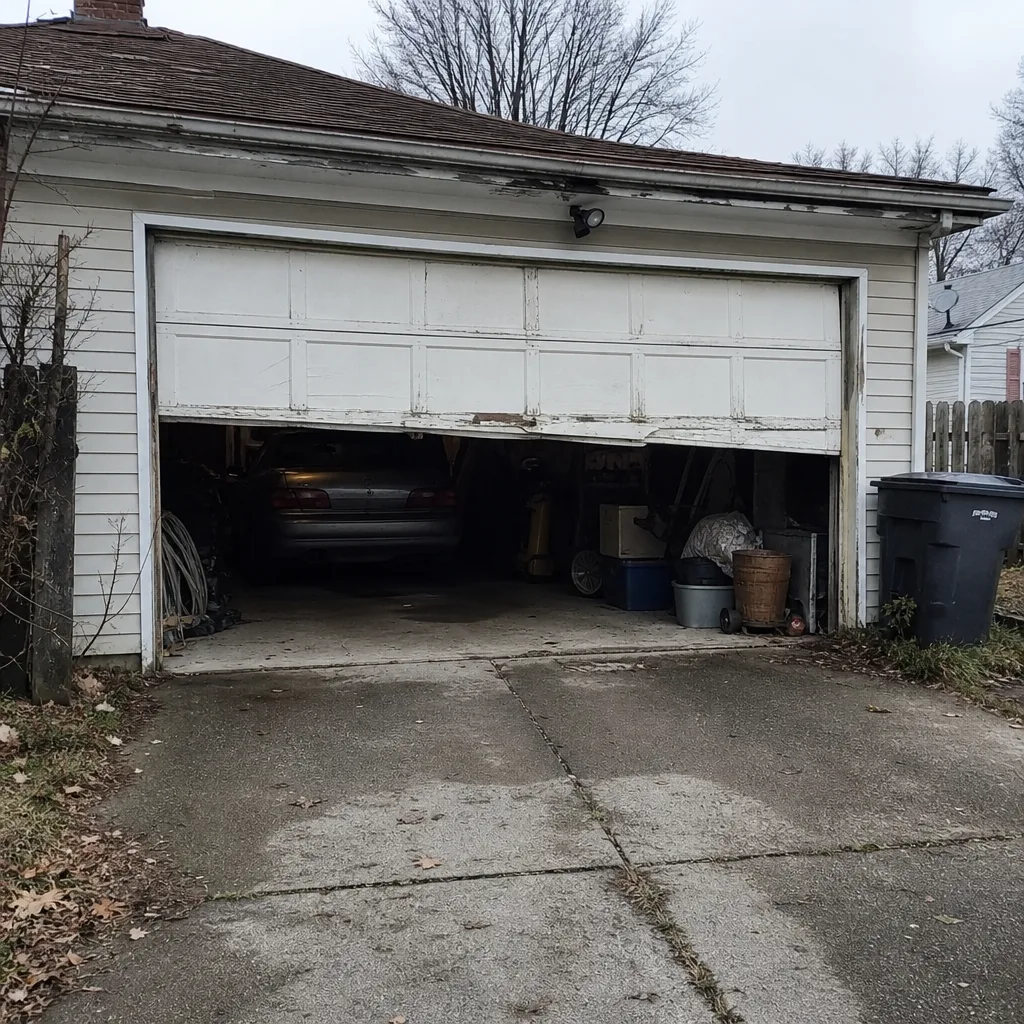
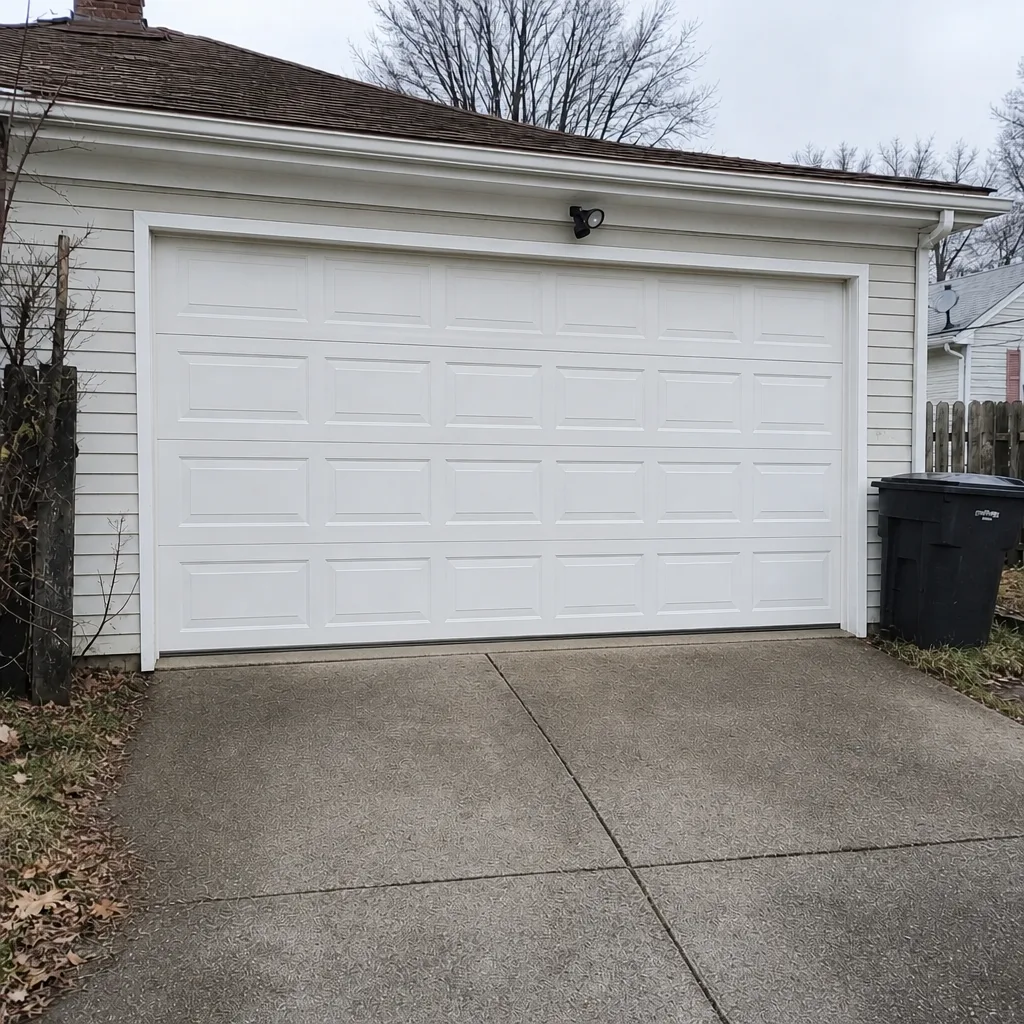
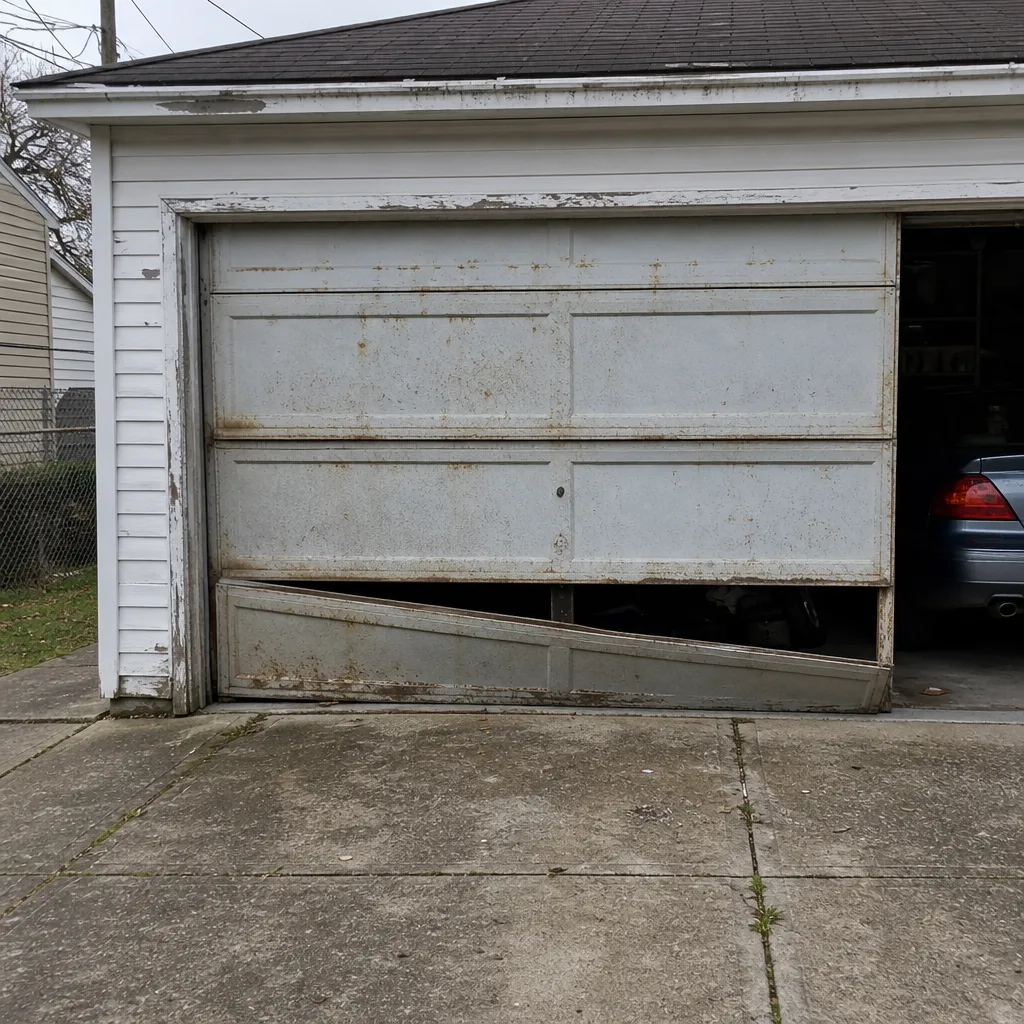
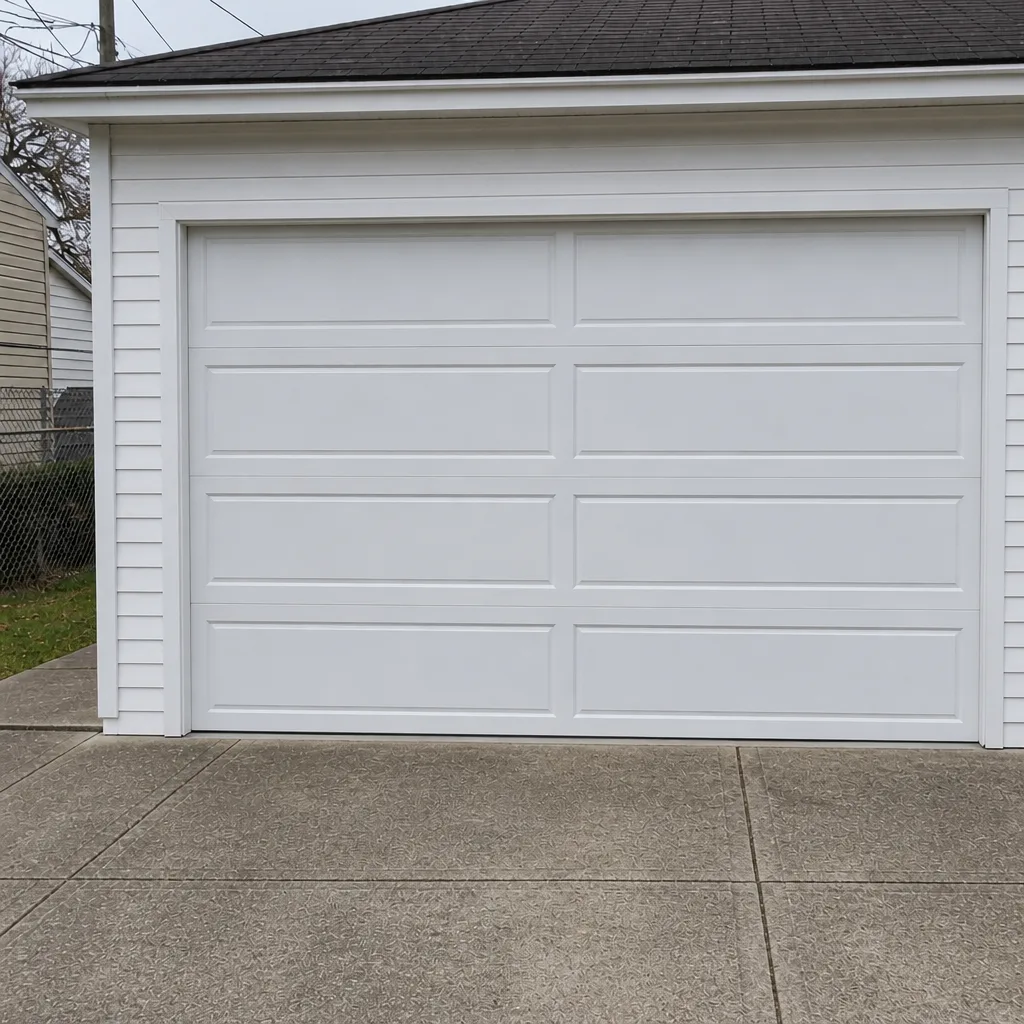
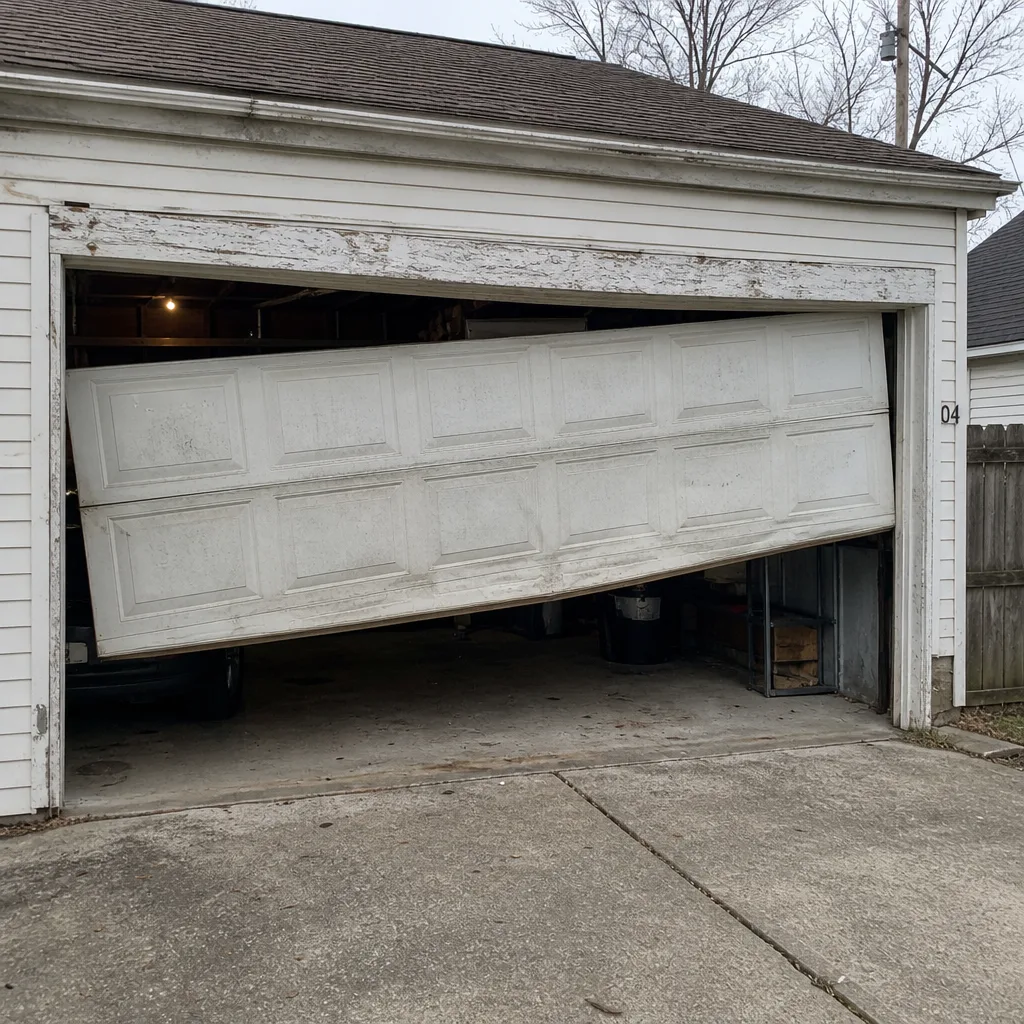
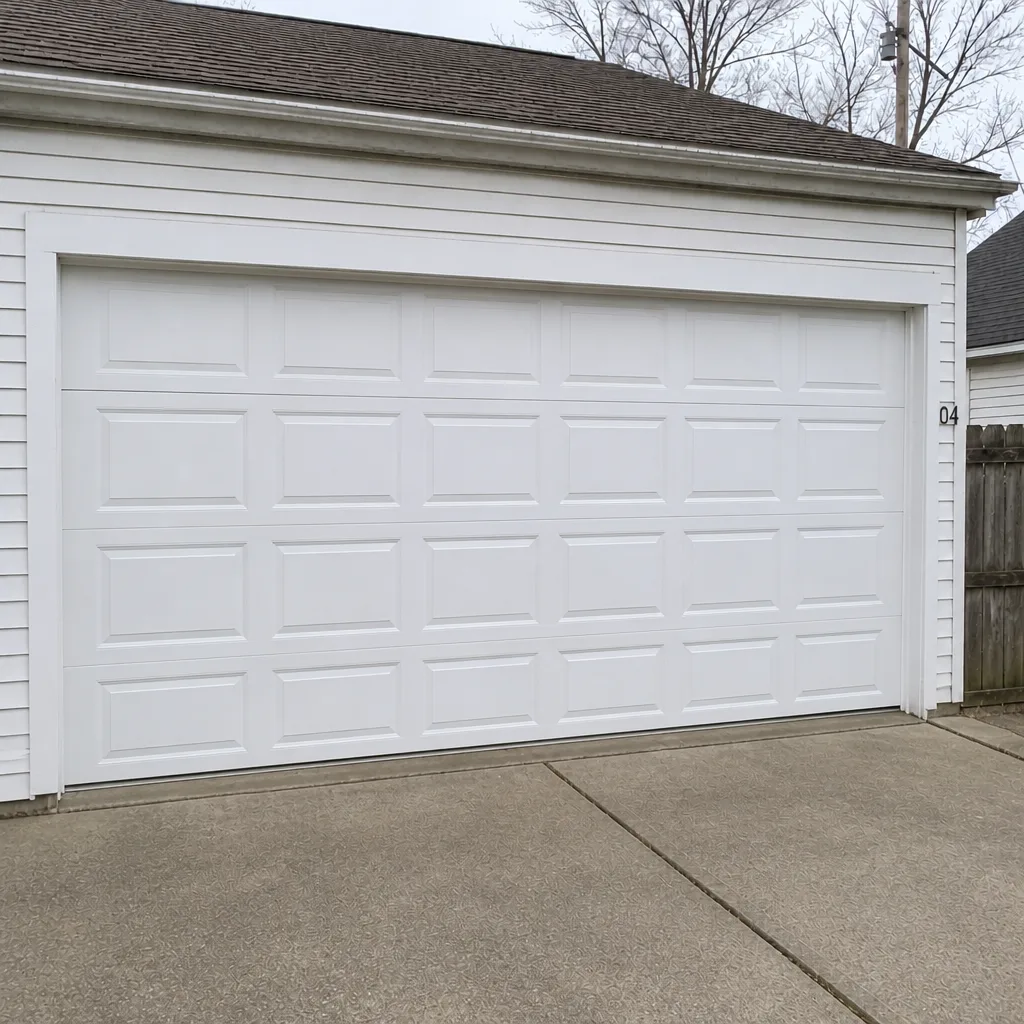
See the difference
 Before
 After
 Before
 After
 Before
 After
When to Call a Professional
Some situations can wait. Others shouldn’t. Call a specialist for anything involving a broken spring, a frayed or slack cable, a door that’s fallen off its track, a vehicle impact that’s bent the door or the frame, or an opener that runs but won’t move the door. Also call if the door won’t stay up when disengaged – that’s a balance problem, not a user error. The DIY line is around small maintenance: lubrication, seal checks, clearing ice. The pro line is anything involving tension, weight, or electricity. Oakes Garage Door Repair offers free estimates in Lakewood – call (844) 959-0082.
Frequently Asked Questions
Yes, if the door is in good working order. Pull the red manual release cord straight down to disengage the trolley, then lift the door slowly by hand. A balanced door should lift easily and stay where you put it. If it feels heavy or won’t stay up, leave it closed and call a specialist – that signals a spring or balance problem, not just a power loss.
Pour warm, not boiling, water along the bottom seal to free it from the ground, then apply a silicone-based lubricant once it’s free. Never use salt, a hammer, or a pry bar. Don’t force the opener – if the door won’t move, stop and let the seal thaw further. If this happens every winter, the weatherstripping probably needs replacing.
It depends on what’s failed. A broken spring is typically quoted per spring, and a matched pair is usually replaced together at about twice a single. Opener repairs, cable work, and panel repairs each price differently. Oakes Garage Door Repair gives a written estimate before any work starts, so you’ll know the price before we begin. Call (844) 959-0082 for a free estimate on your specific issue.
Keep the door closed, disengage the opener, and lock the door manually – either with the slide lock or with locking pliers on the track above a roller. Don’t try to open it. Spring repair is the most dangerous task in this trade and requires specialist training. Call for a same-day or next-day service call; don’t operate the door until it’s fixed.
For emergencies – a broken spring, a vehicle impact, a door stuck mid-travel – yes, we aim to get a technician out the same day. We’re a single-trade garage door company, so emergencies are a core part of what we do, not an afterthought. Call (844) 959-0082 and we’ll tell you the soonest we can be there.
No. The written estimate is the price. If we discover something unexpected once we’re on site, we’ll talk through the additional cost and get your sign-off before any work continues. No work starts until you’ve agreed to a price.
We’re certified to work on eight of the most common brands: LiftMaster, Chamberlain, Genie, Clopay, Amarr, Wayne Dalton, Craftsman, and Raynor. Whatever’s in your garage, we likely know it well. If you’re unsure what you have, a photo of the door and opener before the call helps us come prepared.
The Bottom Line
Garage door emergencies in Lakewood aren’t really about bad luck. They’re about whether the door was ready for the storm or the freeze – and whether you know what to do in the first ten minutes. Keep a small kit, learn the manual release, treat a frozen seal with patience, and never force anything that involves weight or tension. That covers most of what Lakewood winters throw at a garage. For everything else, call us. Oakes Garage Door Repair handles repair, opener repair, spring repair, and installation – one call, one specialist, one named business that stands behind the work. For a free estimate, call (844) 959-0082.
If you want to learn more about what we do, or to book a repair, reach out to Oakes Garage Door Repair. We work on the brand already in your garage.
Written by the team at Oakes Garage Door Repair.