Last updated November 22, 2026
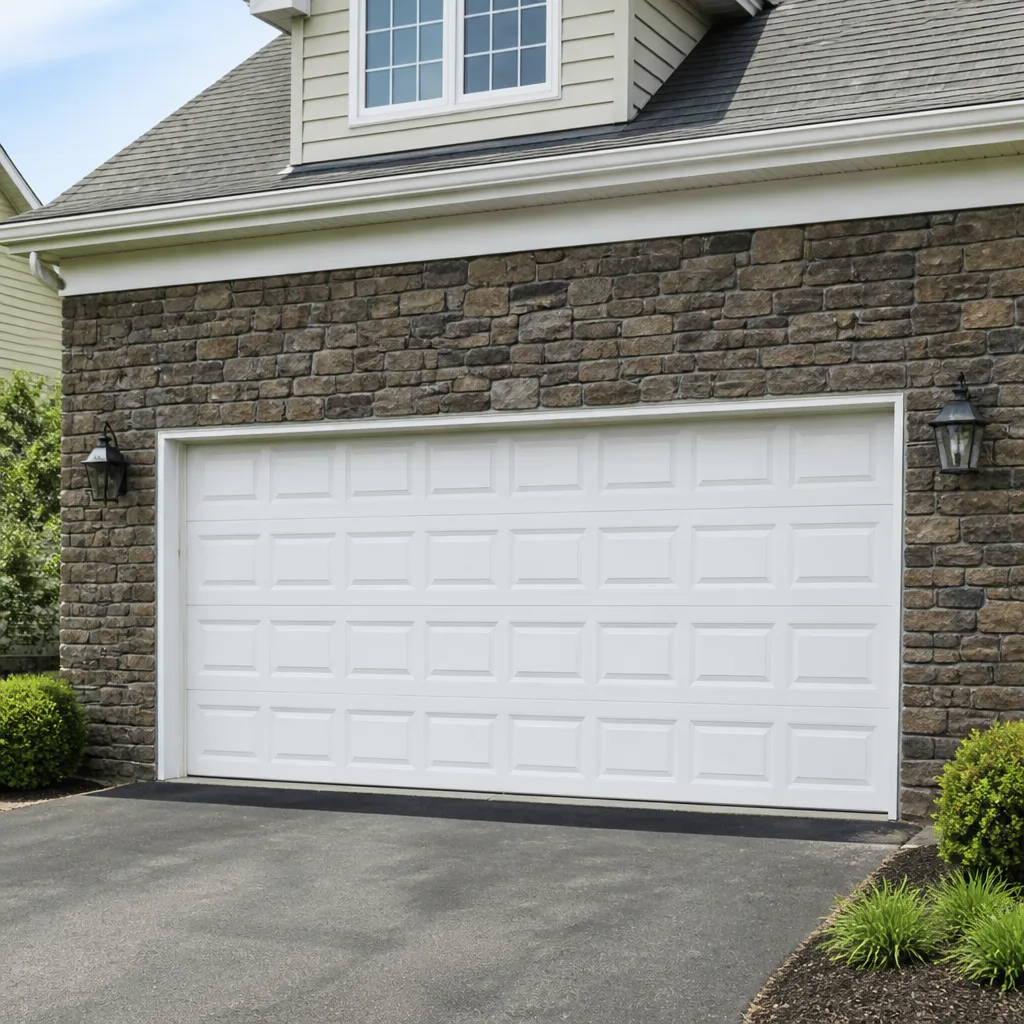 Raised-panel steel
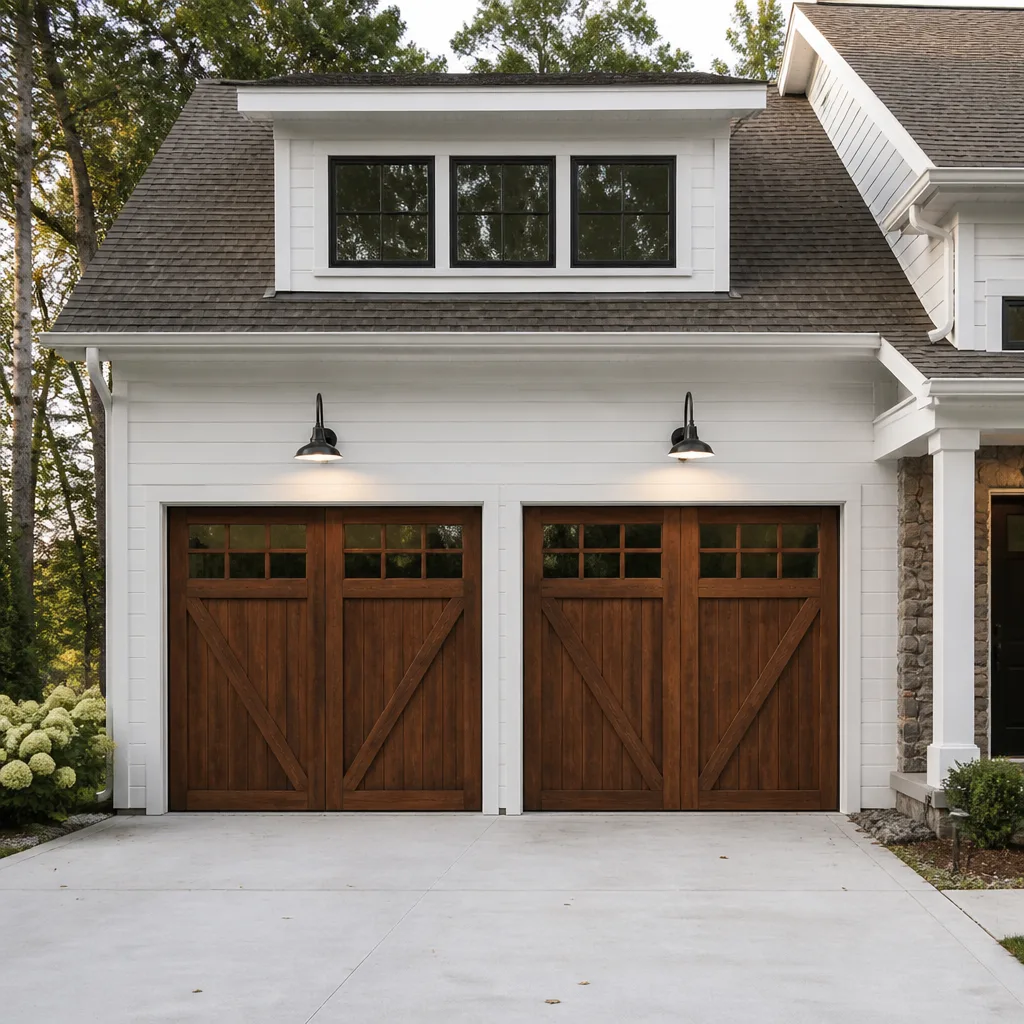 Carriage house
 Modern flush
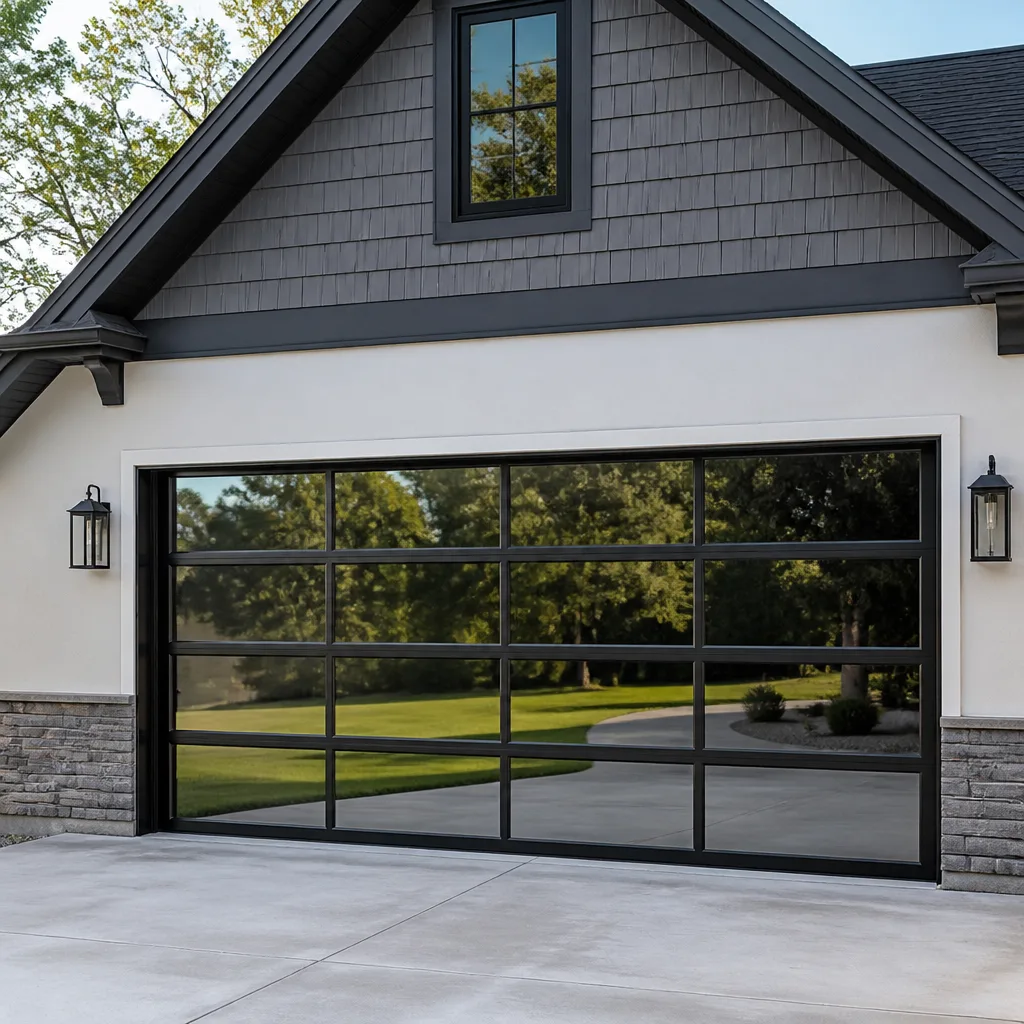 Full-view glass
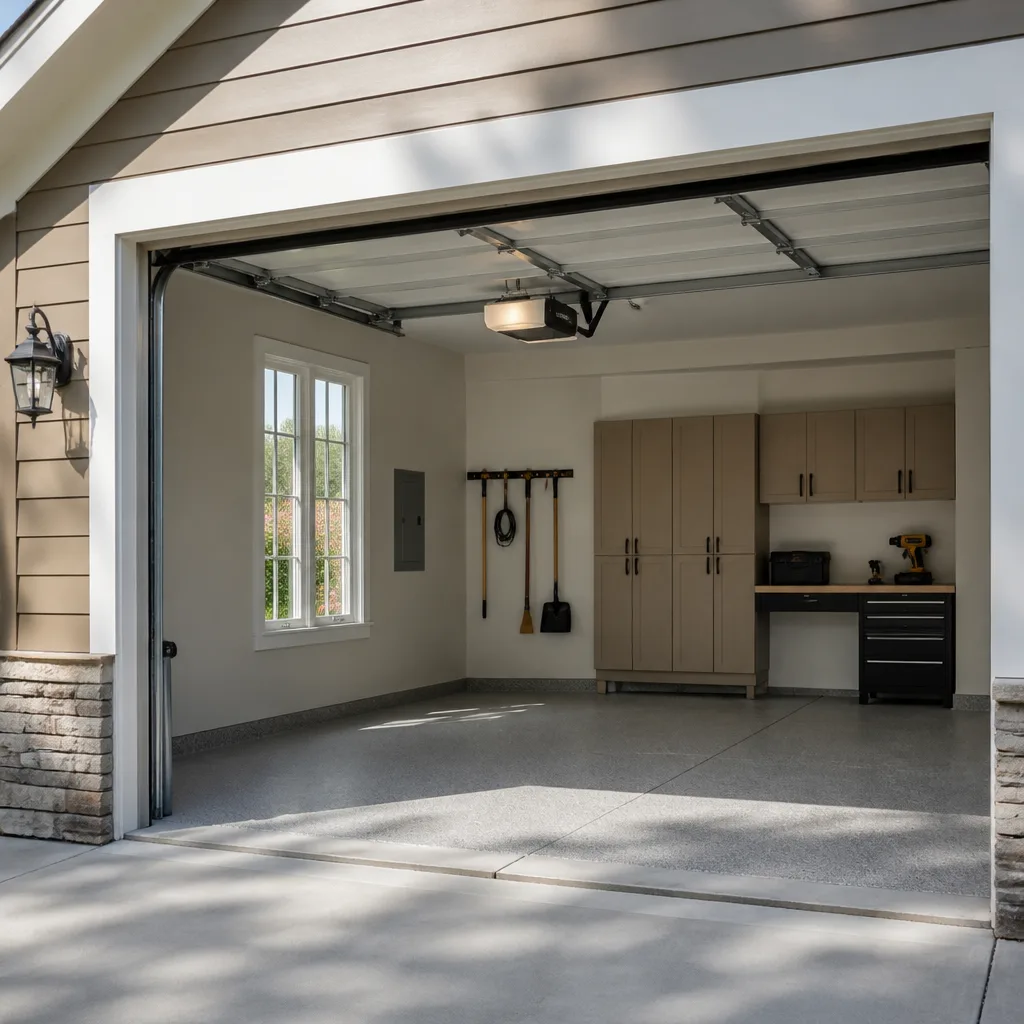 LiftMaster openers
 Chamberlain openers
Full 25-point door and opener safety check with every visit - springs, cables, rollers, tracks, and your LiftMaster or Chamberlain opener included
You get a price before we start. It does not change when the pro arrives.
Get your free estimateGarage Door Repair Maintenance Checklist for Lakewood Homeowners
A seized bottom seal in January isn’t a weatherproofing problem. It’s a motor-killer. Every winter, Lakewood garage doors freeze to the slab, the opener strains against a rubber edge that has bonded itself to the concrete, and by February the gear inside the unit has stripped itself smooth. The homeowner blames the opener. The opener was just finishing a job the seal started in October. A five-minute fall check would have prevented the whole thing.
This checklist is built for Lakewood’s actual weather, not a generic pamphlet. You’ll learn which components fail first here, which lubricants make cold-weather problems worse, how to test spring tension without touching the hardware, and a month-by-month calendar aimed at Northeast Ohio’s freeze-thaw cycle.
Quick Answer
A garage door maintenance checklist for Lakewood should focus on freeze-thaw protection, cold-rated lubrication, seal integrity, and frame rot before each seasonal shift. Check the bottom seal and rollers in October, clear and lubricate moving parts before the first hard freeze, and inspect wood framing every spring as the ground thaws. Homeowners in Lakewood, Ohio who follow this pattern catch most opener-killing wear before it becomes a repair bill.
Styles & brands we work with
- Raised-panel steel
- Carriage house
- Modern flush
- Full-view glass
- LiftMaster openers
- Chamberlain openers
Table of Contents
- What Northeast Ohio Climate Does to Garage Doors
- The Right Lubricants for Lakewood Winters
- How to Test Spring Tension Without Touching Springs
- Wood Frame Rot and Tracking Alignment
- Month-by-Month Lakewood Maintenance Calendar
- What to Check Before Each Seasonal Shift
- Common Mistakes to Avoid
- When to Call a Professional
What Northeast Ohio Climate Does to Garage Doors
Lakewood sits in a freeze-thaw belt that few maintenance guides account for. The temperature swings above and below freezing repeatedly through December and again in March, and each swing does the same thing to a garage door: moisture gets in somewhere it shouldn’t, then expands.
The three failure patterns Lakewood doors develop
- Seal bonding and tearing: A bottom seal that touches a driveway slab collects moisture overnight, freezes to the concrete, and tears when the door lifts. This is the single most common opener-killer in the city.
- Roller flat-spotting: Steel rollers sitting in one spot through a long cold stretch develop flat spots. Once they spin, they rumble and put lateral stress on the track.
- Panel warping at the frame: Deep-frozen wood frames expand, and older single-layer wood doors in Lakewood’s pre-war housing stock take the worst of it. Warped panels track unevenly, and uneven tracking wears hinges.
Humidity off Lake Erie is the other factor. It accelerates rust on steel hardware and softens wood framing in garages that don’t get much airflow. A Lakewood garage that faces the lake side of the block, with no cross-ventilation, will see hinge rust faster than a garage three blocks inland. That matters when you’re deciding how often to lubricate.
None of this is scary. It’s just predictable. And predictable means preventable. If you do the checks below at the right time of year, most of these failures never reach the point where you’re calling for garage door repair at the worst possible moment.
The Right Lubricants for Lakewood Winters
Standard WD-40, the blue-and-yellow aerosol most households keep in the garage, is the wrong product for a cold-weather garage door. It’s a solvent-based penetrating oil, not a long-term lubricant. It displaces moisture briefly, then evaporates. On a Lakewood hinge in January, it can actually make things worse by leaving a thin film that traps grit and lets it grind.
What to use instead
- White lithium grease for hinges, rollers, and track pivots. It stays put in cold temperatures and doesn’t attract grit the way a wet oil does.
- Silicone spray for the bottom seal and any rubber weatherstripping. Silicone keeps rubber pliable and reduces the chance it freezes to the slab.
- Clean, dry cloths before you apply anything. Lubricant over dirt is just abrasive paste. Wipe the hinge barrels and roller stems first.
What not to use
Skip heavy motor oil on the track. It runs, it drips, and it collects dust that turns into a slow-drying sludge. Skip graphite powder anywhere it can blow into the garage. And never spray lubricant onto the torsion spring itself. Springs don’t need it, and wet springs attract debris that can nick the coil.
Cold-weather lubrication sequencing matters, too. Apply lubricant when the door is warm (in the afternoon, after the garage has absorbed some sun) so it spreads evenly rather than stiffening mid-application. In Lakewood, that means late October is the window. By the first hard freeze, the door has either been serviced or it hasn’t.
If your opener is already struggling to lift a stiff door, get it checked before you lubricate anything. Grinding and hesitation can point to garage door opener repair, and lubrication won’t fix a worn drive gear.
How to Test Spring Tension Without Touching Springs
Springs are the most dangerous component on a garage door. Torsion and extension springs hold the full weight of the door under extreme tension, and a spring that snaps under load can cause serious injury. So the test below is a home test that tells you whether the springs are holding correctly. You will not be touching spring hardware, adjusting anything, or going near the coil.
The manual lift test (do this safely)
- Disconnect the opener by pulling the release cord. The door is now manual.
- Lift the door halfway and stop. If the springs are working correctly, the door should stay roughly where you left it.
- Lift it fully open. If the door lifts with one hand and your body weight, the springs are doing their job.
- Lower it slowly. A door that drops fast or feels uncontrollably heavy has failing springs. Stop the test and don’t operate the door again until it’s checked.
- Reconnect the opener only after you’re confident the door moves smoothly and stays in place at the half-open position.
What the test tells you
- Door won’t stay half-open and slams shut: the spring has lost tension. Usually a broken torsion spring or a snapped extension spring.
- Door feels extremely heavy through the whole lift: one of a matched spring pair has broken, and the other is carrying all the weight.
- Door lifts fine but drifts down slowly: the springs are over-tensioned or the opener gear is dragging. Either way, this needs a technician.
Broken springs aren’t a lubrication problem, and they don’t respond to home fixes. A spring carries a massive amount of stored force, and even an experienced technician works with the door secured before touching the hardware. For that reason alone, spring work is the one item on this checklist that belongs with a trained professional every single time. If you suspect a broken spring, don’t operate the door and get it looked at right away; our garage door spring repair team handles torsion and extension springs as a specialist job, not a general handyman task.
Wood Frame Rot and Tracking Alignment
Lakewood’s housing stock includes a lot of older garages with wood door frames, and those frames take a beating from the lake humidity plus freeze-thaw. A rotting frame isn’t a cosmetic problem. The track brackets bolt into that frame, and when the wood softens, the track shifts.
What to look for on your frame
- Soft or spongy wood at the bottom corners of the frame where it meets the slab. Probe with a screwdriver (gently). If it sinks in, the wood is compromised.
- Paint that peels off in sheets rather than flakes. Sheet-peeling usually means moisture behind the finish.
- Visible gaps between the frame and the track bracket. The bracket should sit flush. If it’s pulling away, the wood behind it is likely soft.
- Uneven gaps down the side of the door when closed. A consistent gap on one side and a tight gap on the other usually means the track has shifted out of plumb with the frame.
- Rust streaks on the track hardware. Water getting into a compromised frame shows up as rust on the brackets.
Why tracking alignment matters
A door that tracks slightly off-center wears its rollers unevenly, strains the opener, and in cold weather can freeze in the track. That’s when homeowners call for an emergency because the car is trapped. If the frame is soft, tightening the bracket won’t hold. The frame itself needs to be addressed before the track will stay in alignment.
Older wood-frame garages with an Amarr or Wayne Dalton door installed years ago often have original framing that’s quietly drifting. We’ve seen this in a lot of Lakewood blocks where the garage shares a wall with a rear lot. A quick visual check each spring, while the thaw is still happening, catches most of it.
Month-by-Month Lakewood Maintenance Calendar
Generic seasonal calendars don’t fit Lakewood. “Winterize in fall” is fine, but it doesn’t tell a homeowner in a freeze-thaw belt anything useful. This calendar is tuned to what actually happens in Northeast Ohio’s weather pattern.
October: the critical month
- Wipe and re-lubricate hinges, roller stems, and track pivot pins with white lithium grease.
- Apply silicone spray to the bottom seal so it won’t freeze to the slab.
- Test the safety reverse (a properly functioning door should reverse when it hits an object).
- Run the manual lift test described above before the cold sets in.
November: pre-freeze check
- Check for daylight around the door edges. Gaps mean draft and moisture entry.
- Look at the track for any distortion from summer heat (steel expands in July, and rarely re-seats in the cold).
- Clear the space in front of the door. A frozen object in the path can jam a door the first cold morning.
December and January: watch, don’t touch
- Listen for the door. Grinding, hesitation, or a rumble at the halfway point usually means a roller or bearing has gone dry.
- Don’t repeatedly lift a struggling door. Straining an opener through the worst of the cold is the number one opener failure route.
February and March: the thaw check
- Water intrusion from thawing snow is a bigger threat than cold at this point. Check the frame for softness.
- Re-check the bottom seal for tears caused by freeze-stick.
- Test the manual lift again. If the door feels different from October, something broke over the winter and it didn’t announce itself.
April and May: post-winter repair window
- Replace anything damaged over the winter, especially seals and rollers.
- Clean and lubricate for spring. Use this window to fix what winter exposed.
- Inspect the wood frame for rot that opened up during the thaw.
June through September: long-run maintenance
- Lubricate lightly mid-summer to replace anything washed out by humidity and rain.
- Test the safety reverse again.
- Touch up paint on any exposed steel hardware before the cold returns.
This is the pattern that matters most for Lakewood doors. October and March are the two high-stakes checkpoints. Everything else is maintenance between them.
What to Check Before Each Seasonal Shift
Before the first hard freeze
Check seals, lubricate everything that moves, confirm track alignment, and run the manual lift test. If the opener is grinding or failing to lift cleanly, get it checked before the cold strains it further. A door that struggles in October is the one that fails in January.
Before the spring thaw
Check the door frame and the slab edge for water intrusion. Look for rust streaks that weren’t there in the fall. Listen to the rollers. Cold damage often becomes visible only when things start moving again.
Before the summer heat
Heat causes steel tracks to expand slightly. In Lakewood this is milder than the winter effect, but a door that tracked smoothly in May can start rubbing on the track in July. A visual check of the track-to-frame connection is enough.
Before the fall again
Full reset: clean, lubricate, seal check, opener check. This is where the cycle starts over, and it’s the one that saves the most money. Homeowners who do the fall check consistently tend to catch problems while they’re still cheap. Homeowners who don’t typically end up calling for repair on the coldest week of the year, which is exactly the week nothing goes smoothly. We handle Oakes Garage Door Repair emergency service when it comes to that, but the goal is not to need it.
Common Mistakes to Avoid
- Spraying WD-40 on hinges and calling it lubricated. It’s a solvent, not a lubricant. It evaporates and leaves the hinge drier than before. Lakewood winters punish this shortcut every year.
- Lubricating over dirt. A dirty hinge lubricated with anything just turns into abrasive paste. Wipe first, always.
- Assuming a stiff door means a bad opener. The opener gets blamed for a frozen seal, a flat-spotted roller, or a failing spring more often than it’s actually the problem. Diagnose before replacing.
- Adjusting springs or cables without disconnecting the opener. This is a serious safety error. Torsion springs hold full door weight, and a homeowner adjusting one under tension is one of the most dangerous things that can happen in a garage. Leave spring work to technicians.
- Ignoring wood frame rot because the door still opens. A soft frame shifts the track over months, and by the time the door visibly drifts, the wear on rollers and hinges is much worse than it needed to be.
- Painting over rust on the track. Rust under paint continues to eat the steel. Clean back to bare metal before refinishing.
- Skipping the manual lift test. This one test catches the majority of spring and balance problems before they become emergency calls. It takes two minutes.
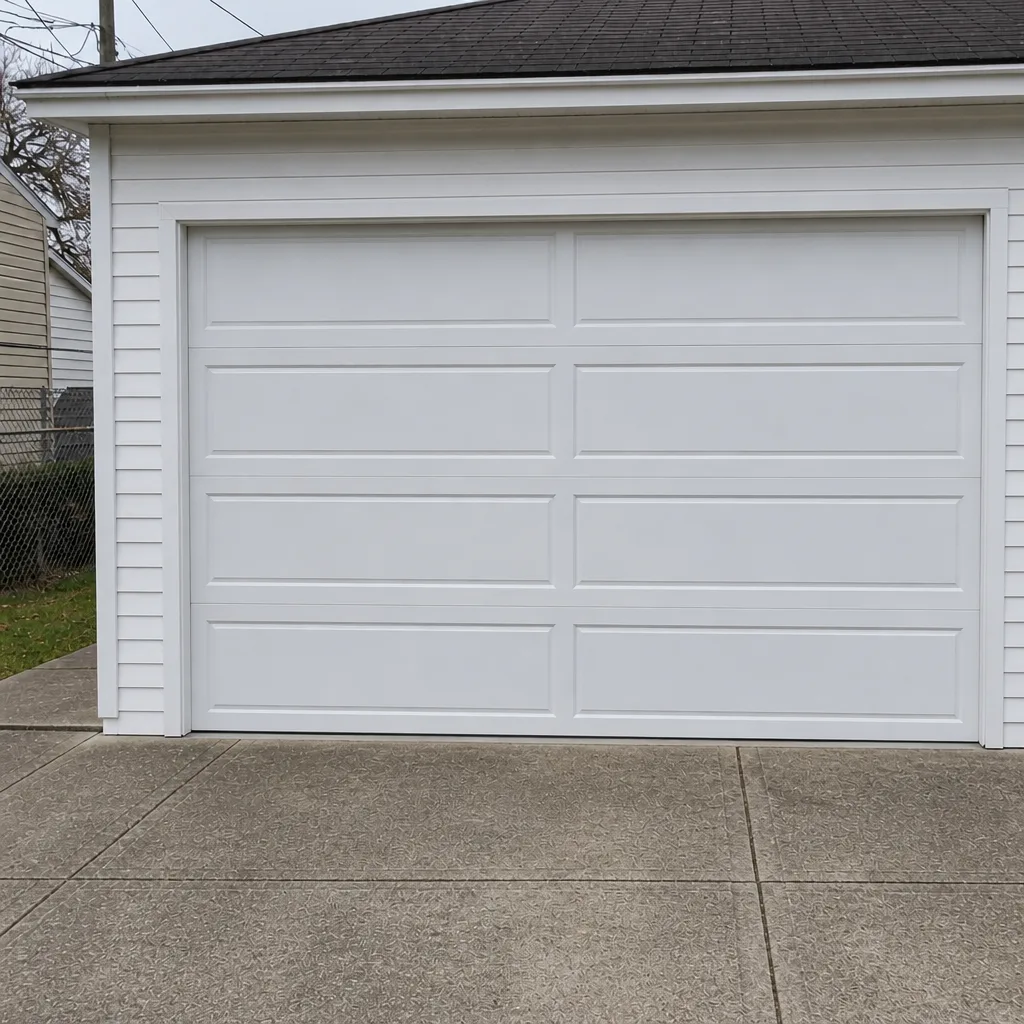
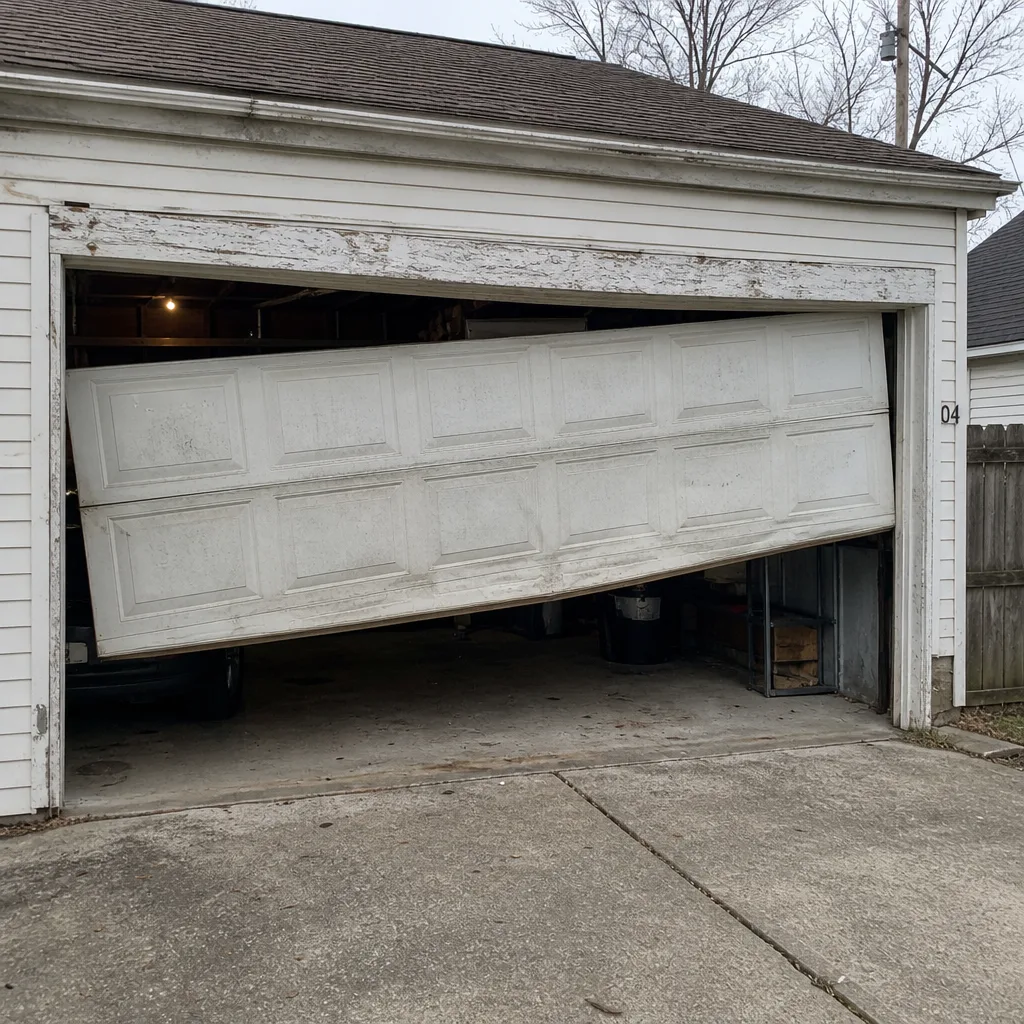
See the difference
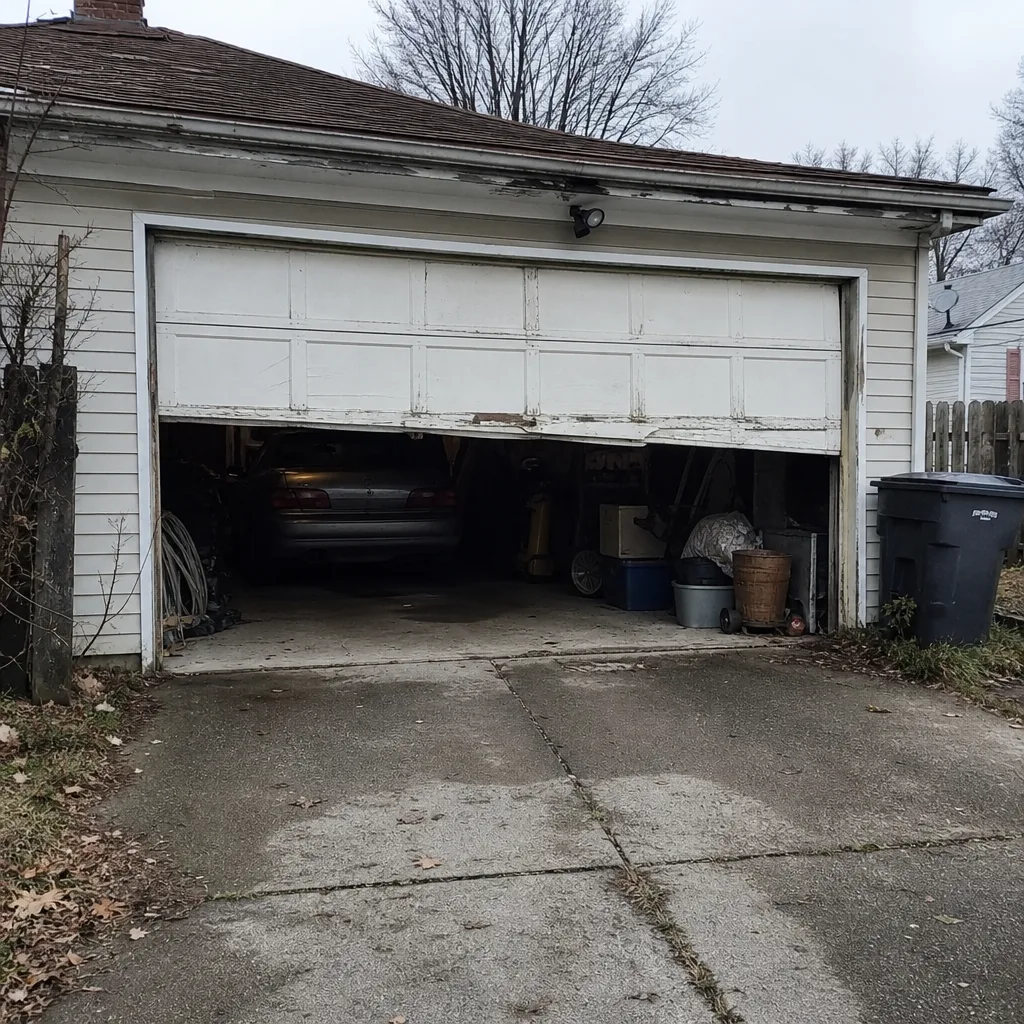 Before
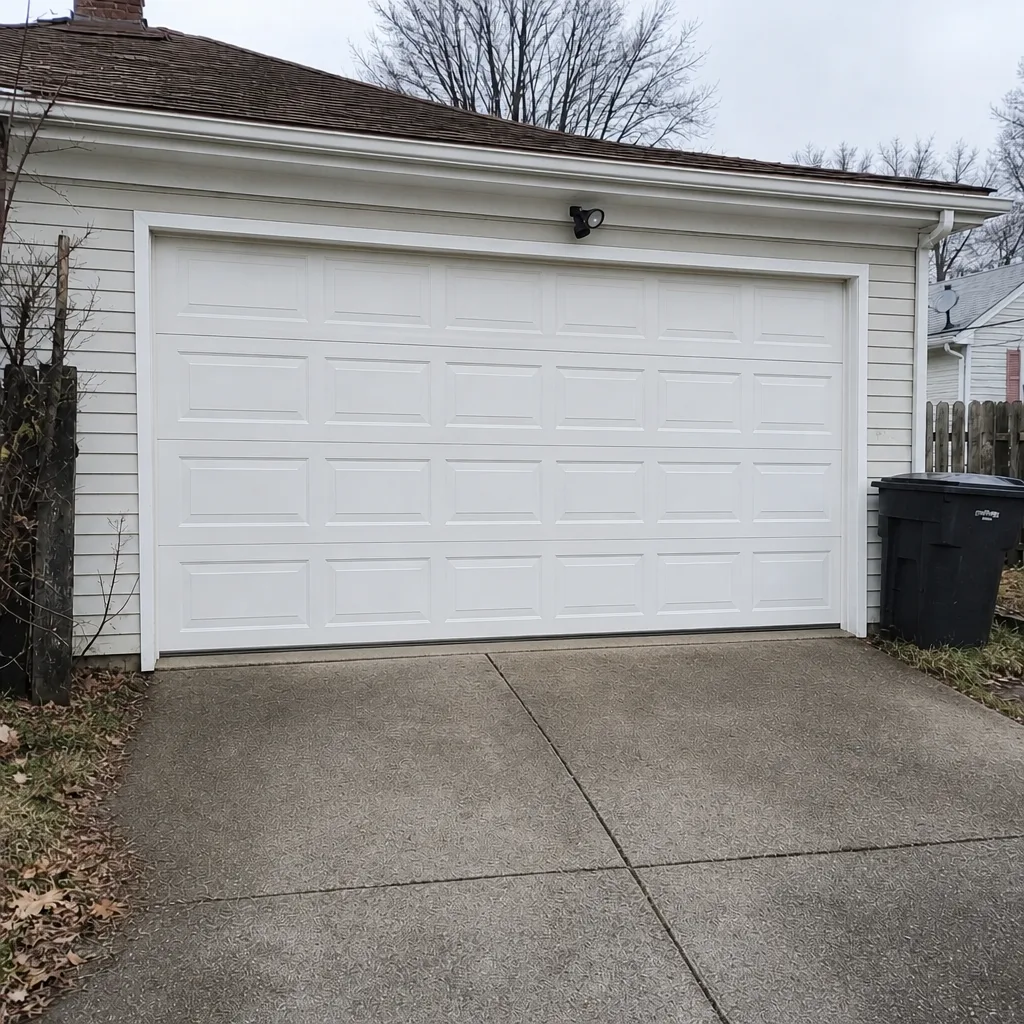 After
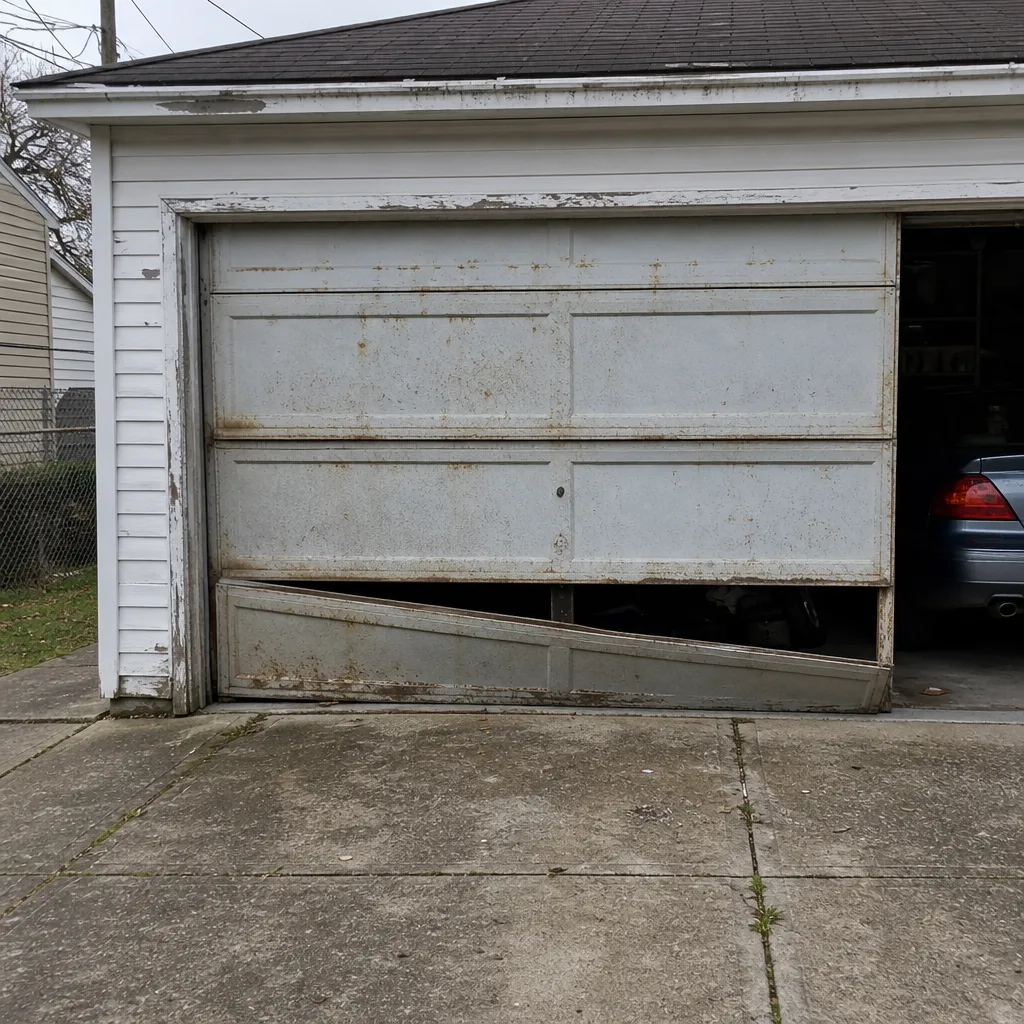 Before
 After
 Before
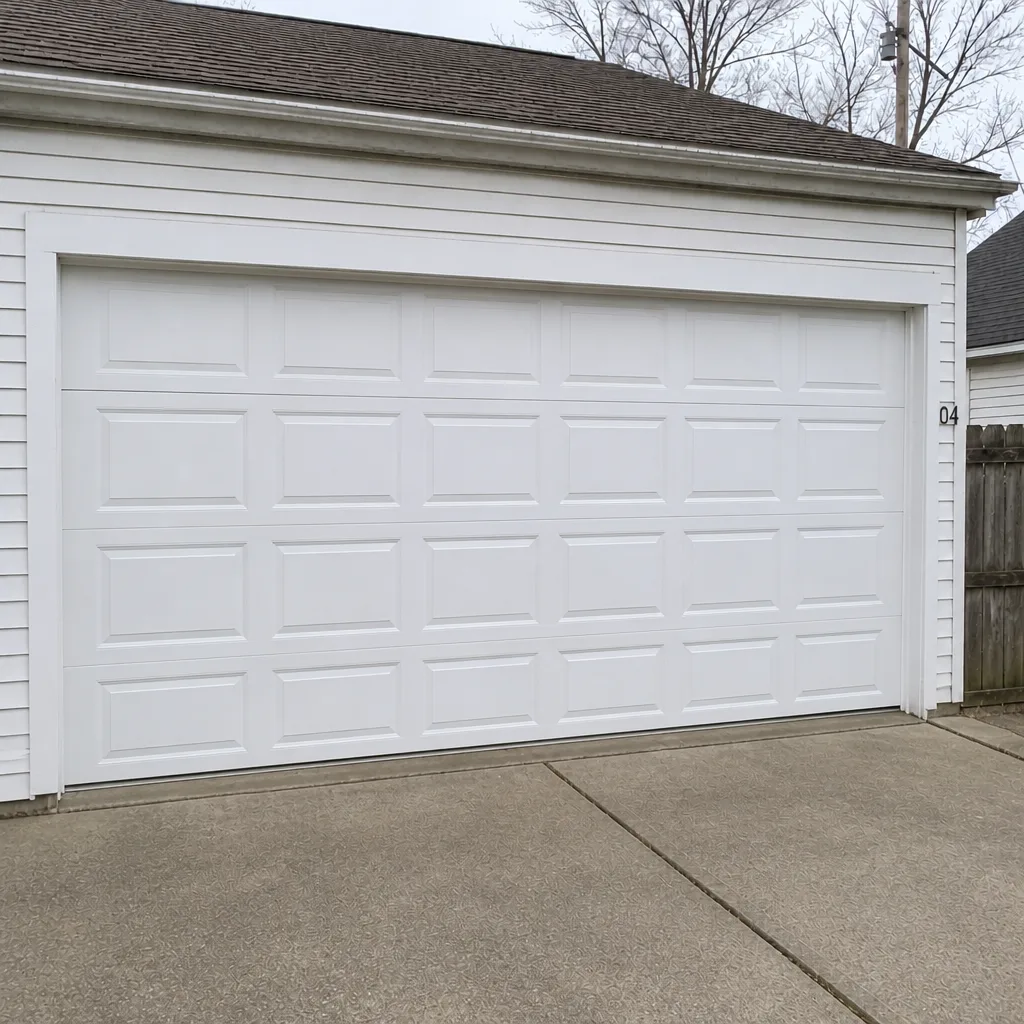 After
When to Call a Professional
Some tasks belong on a homeowner’s checklist. Some belong with a garage door specialist, and it’s worth being clear about which is which.
Call a professional when the manual lift test shows the door won’t hold its position, when the door is visibly off-track, when you suspect a broken spring, or when the opener grinds, reverses on its own, or hesitates. Call when the wood frame is soft or when a bracket is pulling away from the frame. Call when the bottom seal has torn and the door is jamming against the slab.
None of those are DIY territory. Springs, cables, and track realignment under load all carry injury risk, and a partial fix often leaves a bigger problem than the one you started with.
Oakes Garage Door Repair offers free estimates in Lakewood. Whether it’s a scheduled check or an urgent trap-the-car call, our technicians have up to 8 years of experience and we work on the brand already in your garage, whether it’s Craftsman, Raynor, Amarr, or Wayne Dalton. Call (844) 959-0082 for an estimate.
Frequently Asked Questions
Twice a year is right for Lakewood: once in October before the first hard freeze, and once in spring after the thaw. Humidity off the lake and the freeze-thaw cycle wear lubricant away faster than in drier climates, so the two-check pattern holds up better than a once-a-year pass. Use white lithium grease on hinges and roller stems, silicone spray on the bottom seal, and skip solvent-based products like WD-40. Call (844) 959-0082 for an exact quote on a full service visit – estimates are free.
It freezes because the bottom seal is holding moisture against the concrete slab and the two bond as temperatures drop. The fix is silicone spray on the seal before the cold arrives, plus a visual check that the seal isn’t already torn or stiff. If the seal has aged out, replacing it is cheaper than replacing an opener later. Call (844) 959-0082 and we’ll look at it – estimates are free.
No. Garage door springs operate under extreme tension and should only be adjusted by a trained professional. Both torsion and extension springs carry the full weight of the door, and an adjustment made under load can cause serious injury. Test the door’s balance using the manual lift method instead, and call for the rest. Oakes Garage Door Repair handles spring repair as a specialist job – call (844) 959-0082.
Probe the bottom corners with a screwdriver. If it sinks in easily, the wood is soft. Other signs include paint peeling off in sheets, gaps between the frame and the track bracket, and rust streaks on hardware where moisture is getting in. Rotting frames shift the track and cause alignment problems that get worse over each Lakewood thaw. Call (844) 959-0082 for a free estimate.
The first sign is usually a change in sound: grinding, a rumble at the halfway point, or a hesitation before the door lifts. These point to a worn gear or a bearing going dry, not necessarily to the whole opener failing. Get it checked before the cold strains it further, because a struggling opener is much more likely to fail outright in January. Call (844) 959-0082 for an estimate.
Most of it, yes. Cleaning, lubricating, checking the seal, running the manual lift test, and inspecting the frame are all things a homeowner can do safely. Springs, cables, track realignment, and any opener work that requires disassembly belong with a technician. If you’re unsure where the line is, call (844) 959-0082 – estimates are free and we’ll tell you what’s actually needed.
The Bottom Line
Lakewood garage doors fail in predictable ways. Freeze-thaw cycling in December and March is what pushes seals, rollers, frames, and openers past their limits, and the fixes are almost all in the timing. Do the fall lubrication and seal check in October, do the manual lift test before and after winter, watch the wood frame during the thaw, and leave spring work alone. Every one of those checks is a homeowner task. The jobs that go to a specialist are the ones that carry real risk, and those are exactly the jobs where a specialist pays for themselves. If you’re not sure where your door stands, our garage door repair team can tell you in a short visit.
Call (844) 959-0082 for a free estimate. We’ll look at the door, tell you what needs attention, and quote the price before any work starts.
Written by the team at Oakes Garage Door Repair.