Last updated November 22, 2026
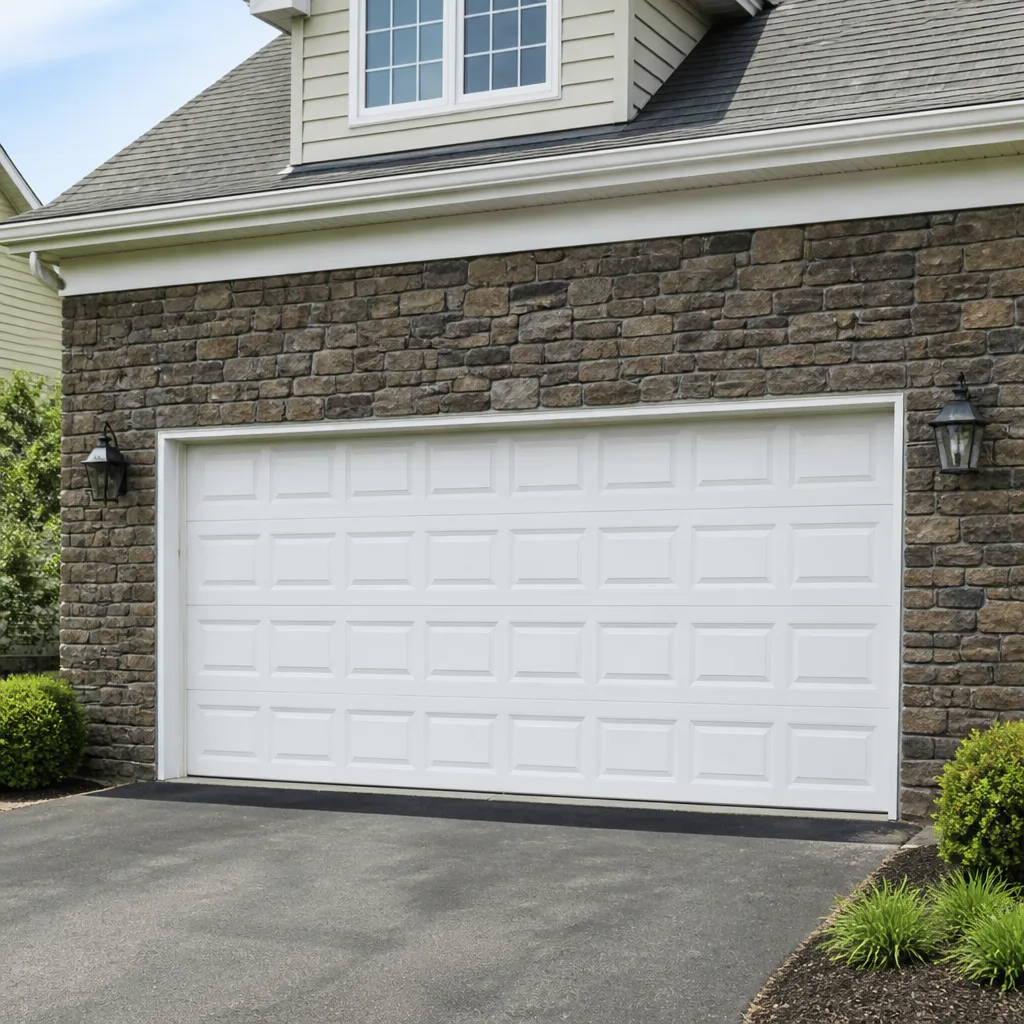 Raised-panel steel
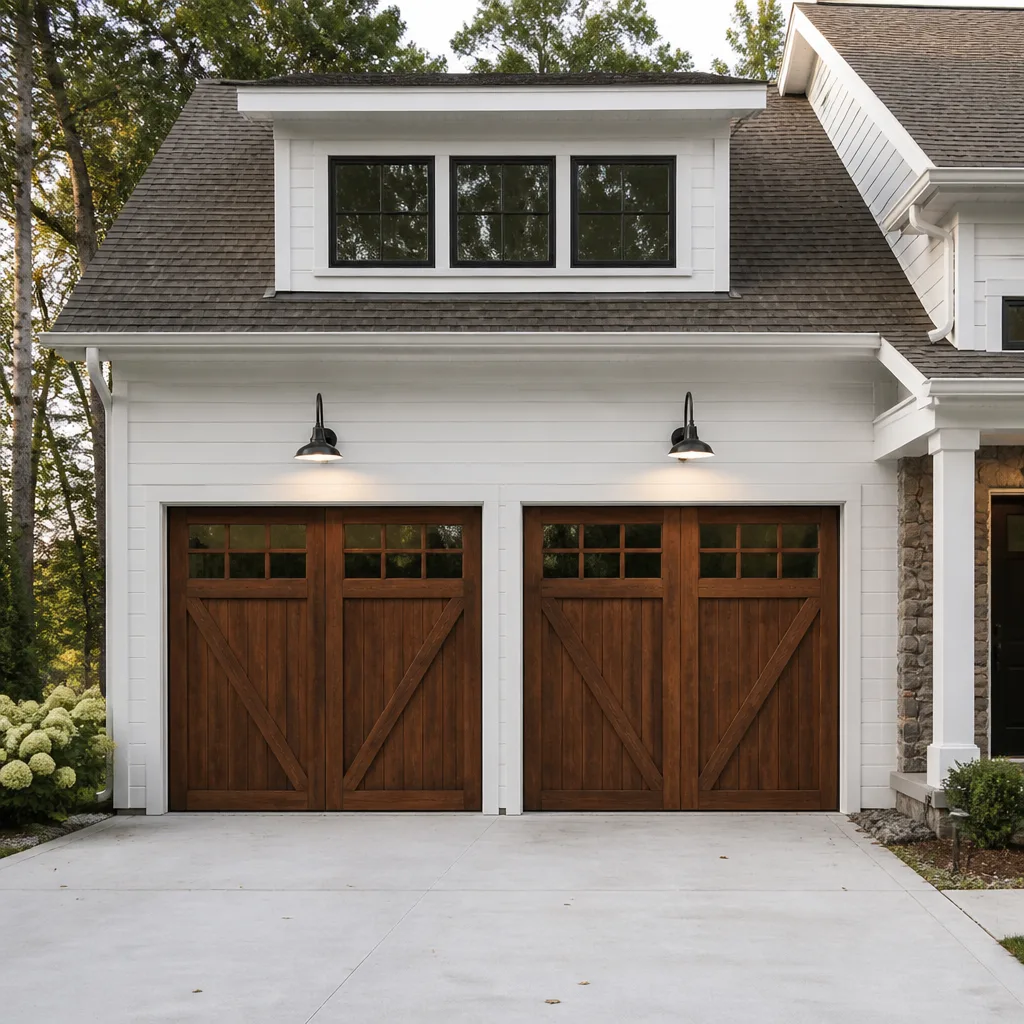 Carriage house
 Modern flush
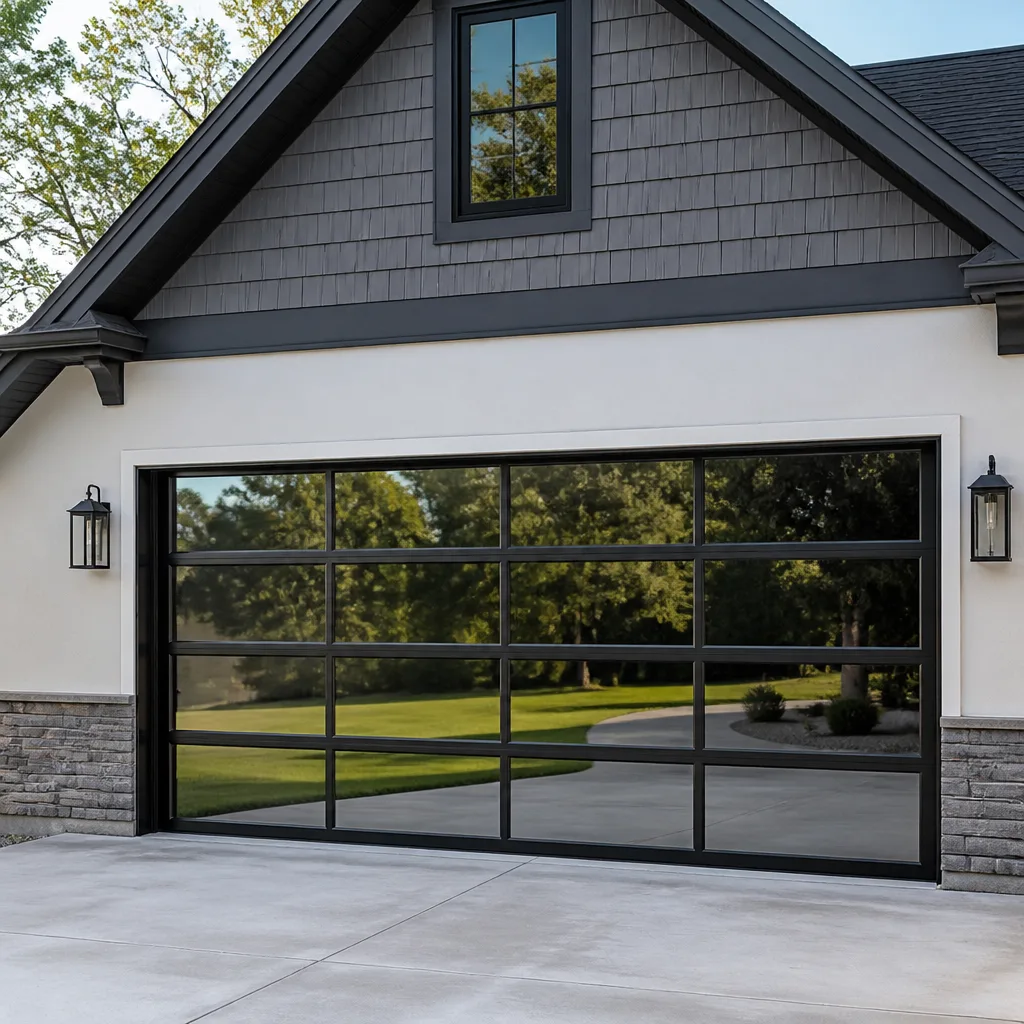 Full-view glass
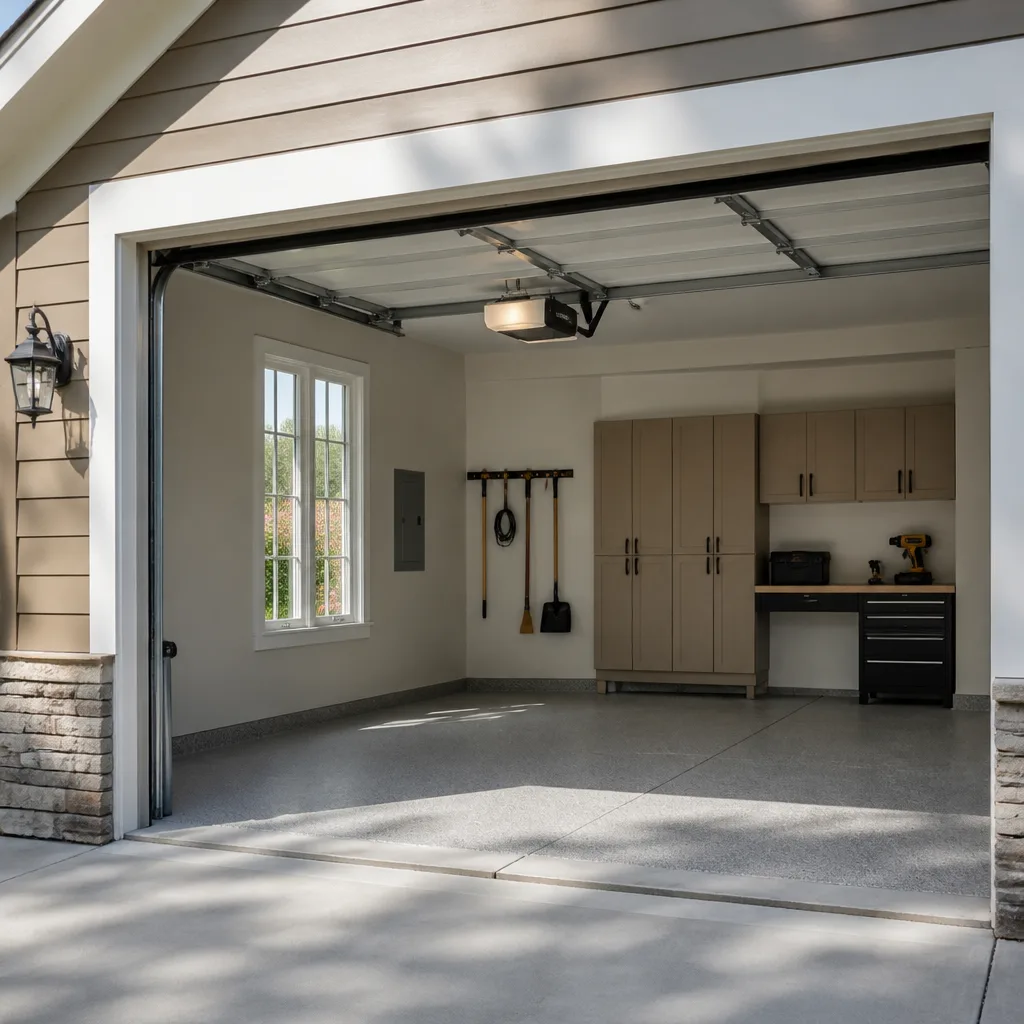 LiftMaster openers
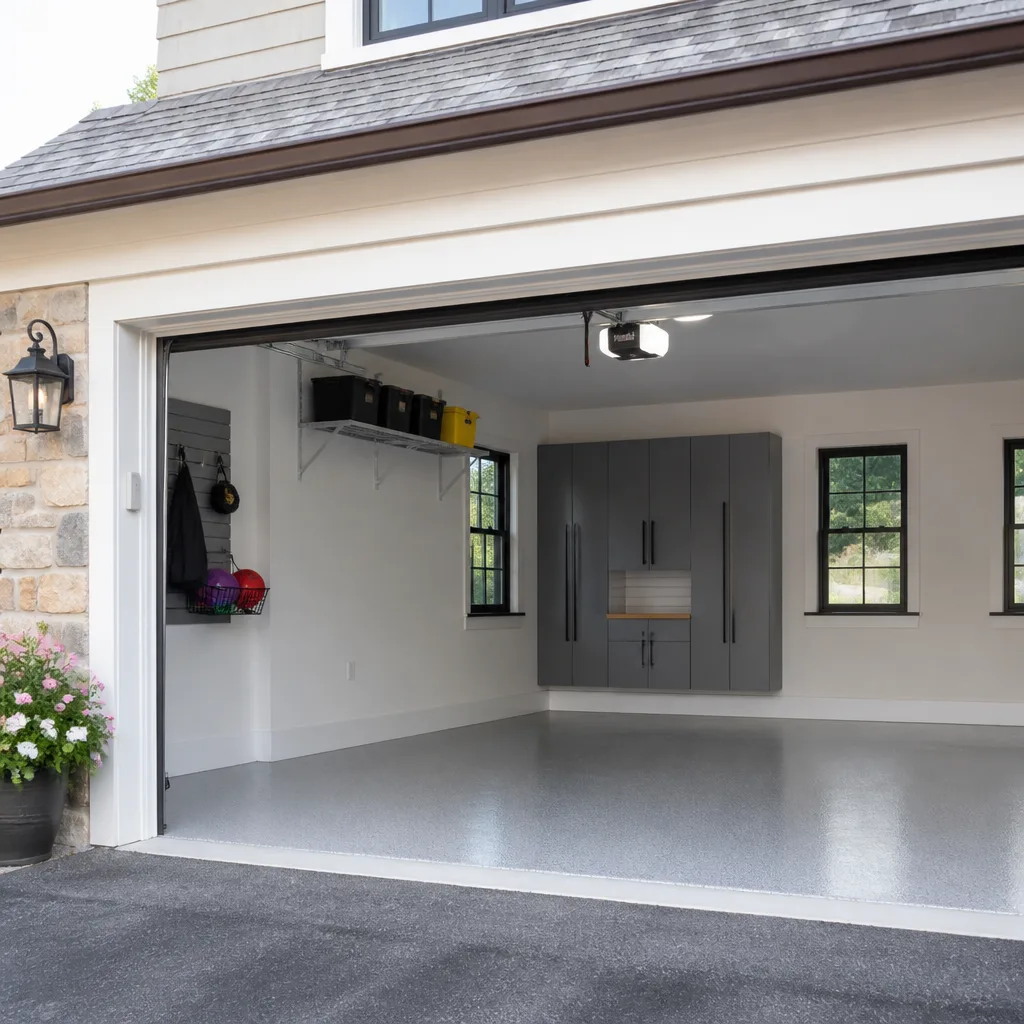 Chamberlain openers
Full 25-point door and opener safety check with every visit - springs, cables, rollers, tracks, and your LiftMaster or Chamberlain opener included
You get a price before we start. It does not change when the pro arrives.
Get your free estimateGarage Door Repair Troubleshooting in Lakewood: Common Problems and How to Fix Them
A garage door that reverses before it closes isn’t broken. It’s doing exactly what it was told. Something in the system – a sensor, a limit setting, a binding track – sent the signal to retreat, and the door obeyed. Most Lakewood homeowners misread that moment as a failure when it’s actually the door reporting a problem somewhere else. Chasing the symptom (the noise, the slowness, the gap at the floor) usually means replacing a part that was never the culprit. Reading the door as one connected mechanism – opener, springs, tracks, cables, sensors, seal – gets you to the right fix the first time. This guide walks through how to isolate which layer is failing, what Lakewood’s freeze-thaw winters do to these systems, and the handful of jobs you should never touch yourself.
Quick Answer
Most garage door problems in Lakewood trace back to one of four systems: the opener motor and logic board, the springs and cables, the tracks and rollers, or the safety sensors at the floor. A three-step isolation test – disconnect the opener, lift the door by hand, then check sensor alignment – tells you which layer is at fault before you spend a dollar. Springs and cables are never a DIY job. Everything else is diagnosis first, repair second.
Styles & brands we work with
- Raised-panel steel
- Carriage house
- Modern flush
- Full-view glass
- LiftMaster openers
- Chamberlain openers
Table of Contents
- The 3-Step Isolation Test: Opener, Mechanical, or Sensor?
- How Lakewood’s Freeze-Thaw Cycles Fool Your Sensors
- Slow on the Way Up, Loud on the Way Down: The Spring Imbalance Pattern
- Symptom-to-Cause Lookup Table
- Five Things You Should Never Attempt Yourself
- When the Opener Is the Problem (and When It Isn’t)
- Brand-Specific Quirks: Genie, Clopay, Amarr, and Wayne Dalton
- What Routine Checks Actually Prevent in Lakewood
The 3-Step Isolation Test: Opener, Mechanical, or Sensor?
Before you call anyone or buy a part, run this test. It takes about five minutes and separates the three failure layers that cause nearly every garage door problem we see in Lakewood. The goal is to find out whether the door itself moves freely, whether the opener is commanding it correctly, or whether a safety device is interrupting the cycle.
- Pull the emergency release. With the door closed, pull the red cord to disconnect the opener trolley from the door. This separates the motor from the mechanism.
- Lift the door by hand. A balanced door should rise with moderate effort and stay put roughly halfway up when you let go. If it’s heavy, drops, or slams, the springs or cables are the problem – stop here and don’t run the opener.
- Reconnect and watch the sensors. If the door moved freely by hand, reconnect the trolley and run the opener. If the door reverses immediately or the light on the motor flashes, the safety sensors or the opener’s logic board is interrupting the cycle.
That third step is where most misdiagnosis happens. A door that reverses at the floor looks like a motor failure. Usually it’s a sensor that’s been nudged out of alignment, or a photo-eye lens fogged with condensation from a cold Lakewood morning. The opener is fine; it’s refusing to close on something it can’t see past.
If the door passes all three steps – moves freely by hand, sensors are clean and aligned, opener runs a full cycle – then you’re likely looking at a wear item: a tired roller, a bent hinge, a frayed cable that hasn’t snapped yet. Those are the calls where a technician can usually pinpoint the fault in minutes. Our team handles each of these layers under one roof, from garage door repair to opener diagnostics, so the isolation test doesn’t turn into three separate service visits.
How Lakewood’s Freeze-Thaw Cycles Fool Your Sensors
Lakewood sits close enough to Lake Erie that winter swings between thawing afternoons and hard overnight freezes are routine. That cycle does something specific to garage doors: it compresses the bottom seal, shifts the concrete at the threshold, and leaves a film of moisture on the photo-eye lenses. The result is a door that behaves like it has a sensor misalignment when the sensors are actually fine.
Here’s what happens. The rubber bottom seal absorbs water during a thaw, then freezes and expands overnight. That expansion pushes the door slightly upward at the floor, so the safety beam – mounted a few inches off the ground – reads an obstruction that isn’t there. The door reverses. You check the sensors, they look aligned, and you’re stuck.
What to check before assuming sensor failure:
- Look at the seal itself. A bottom seal that’s stiff, cracked, or sitting unevenly on the concrete is a common winter culprit in Lakewood. If the door doesn’t meet the floor flush, the sensor logic can trip even with clean lenses.
- Wipe the lenses. Condensation and road grime on the photo-eye lens is the single most common false-alarm cause. A dry cloth fixes more “broken” doors than any part.
- Check the sensor bracket height. If a bracket has been knocked low or high, the beam can miss the reflector entirely. Both eyes should be at the same height, roughly six inches off the floor.
- Watch the indicator lights. A steady light on each sensor means alignment is good; a flickering or dark light means the beam is broken.
We see this pattern most often on older doors in the neighborhoods closer to the lake, where the temperature swing between a sunny afternoon and a cold night is sharpest. It’s rarely a part failure – it’s the door telling you the seal and the threshold need attention. Replacing a worn bottom seal is one of the cheapest fixes in the trade and prevents a whole category of false sensor trips through the winter.
Slow on the Way Up, Loud on the Way Down: The Spring Imbalance Pattern
If your door creeps up slowly but slams down with a bang, don’t replace the opener. That pattern almost always points to spring imbalance, not a motor problem. The opener is fighting gravity on the way up because the springs aren’t carrying their share of the door’s weight, and then the door free-falls on the way down because there’s nothing counterbalancing it.
Here’s the mechanism behind it. Torsion and extension springs are wound to hold the door’s weight in balance. When a spring weakens – through cycles, temperature swings, or simple fatigue – the door becomes heavier than the spring can lift. The opener motor, which is designed to nudge a balanced door, ends up doing the heavy lifting. It strains, it slows, and eventually it burns out. The loud descent is the same problem in reverse: the door drops because the spring is no longer braking it.
The dangerous part is that this is also the moment a spring is most likely to snap. A door that’s noticeably heavier by hand than it was a month ago is a warning sign. If you run the isolation test and the door won’t stay halfway up, or slams down when you let go, that’s spring territory. Springs operate under extreme tension, and a broken torsion spring can release enough force to cause serious injury. This is not a repair to attempt on your own.
In our experience, this is the number-one misdiagnosis we correct in Lakewood: homeowners replace the motor when the actual failure is a $60 spring. Garage door spring repair resolves the pattern at the source, and it’s the highest-skill task in the trade – torsion springs especially. A technician who works on spring systems daily knows what a balanced door feels like and can confirm whether the spring, the cables, or the drums are the culprit in one visit. Springs and cables get checked together, because a snapped spring often takes a cable with it.
Symptom-to-Cause Lookup Table
This is the table we’d hand a homeowner on the phone. Match the behavior you’re seeing to the most likely failed component, then decide whether it’s a call-us situation or a fix you can handle in five minutes.
| Symptom or Sound | Most Likely Cause | Is It DIY-Safe? |
|---|---|---|
| Loud bang from above the door | Broken torsion spring | No – call a professional |
| Door reverses before touching the floor | Sensor misalignment or dirty lens | Yes – clean and realign |
| Slow on the way up, slams down | Spring imbalance | No – call a professional |
| Grinding or squealing while moving | Dry or worn rollers, bent track | Lubrication yes, track no |
| Door won’t open at all, opener hums | Stripped gear or burned-out motor | No – opener issue |
| Door stops partway and quits | Limit switch setting or binding track | Adjusting limits yes |
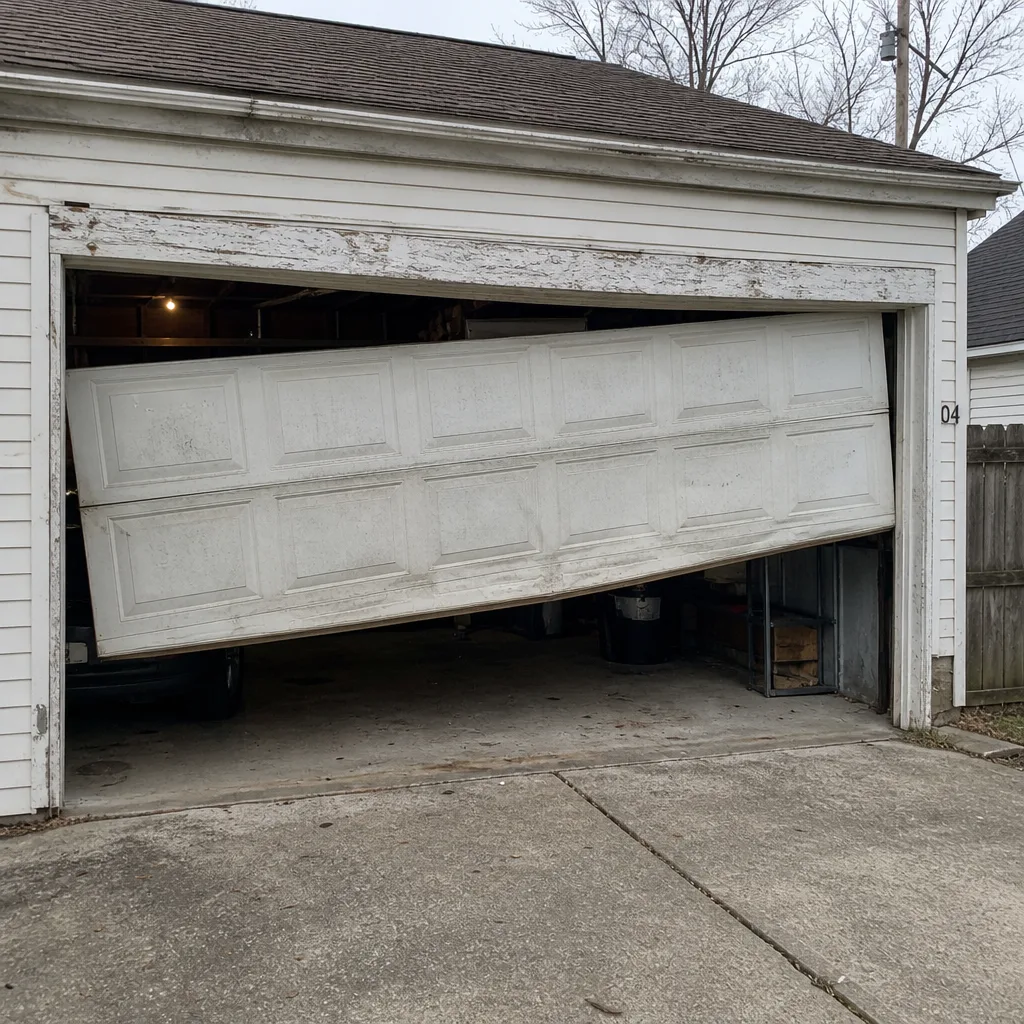
| Door crooked or off its track | Broken cable or bent track | No – call a professional |
| Opener runs but door doesn’t move | Disconnected trolley or snapped cable | Reconnect yes, cable no |
| Squeaking on one side | Dry hinge or loose bracket | Yes – lubricate and tighten |
| Door reverses randomly mid-cycle | Motor overheating or logic board | No – opener issue |
Two entries on that table are worth flagging again. A loud bang is the signature of a broken spring, and it’s the single most common emergency call we handle in Lakewood. A door that reverses randomly – not at the floor, but mid-travel – usually means the opener’s logic board is heat-sinking, which is itself a signal the motor is working too hard because the springs are weak. The reversal is a symptom of the spring problem, not a separate failure.
If the symptom you’re seeing isn’t on this table, that’s often a sign to look at the door as a whole rather than chasing an isolated part. Grinding that doesn’t stop after lubrication might be a bent track top to bottom, or a roller that’s jumped its groove. Those don’t fix themselves and usually get worse in a Lakewood freeze, so they’re worth a professional look.
Five Things You Should Never Attempt Yourself
We’re asked constantly whether these are really “that dangerous” or just a way to sell a repair. They’re genuinely dangerous – the kind where a homeowner ends up in the emergency room. Springs and cables store enormous energy, and track systems rely on a precise alignment that one slip can wreck. Here’s the list and why each one is a professional job.
- Adjusting or replacing a torsion spring. A wound torsion spring stores hundreds of pounds of force. Releasing that force accidentally can break bones or worse. Spring tension is the most common cause of serious garage door injuries in the trade.
- Replacing a tension cable. Cables snap under load and whip with enough speed to cut through skin. They also have to be properly routed and tensioned against the spring to stay safe. A wrong cable route can drop the door.
- Realigning a track. A bent or misaligned track under a heavy door can cause the door to fall or to jump its rollers mid-cycle. Re-bending a track back into true requires knowing the correct plumb and offset – guesswork makes it worse.
- Replacing a spring with a used or mismatched part. A spring of the wrong wire gauge or wind count will fail, often within weeks, and can fail violently. Springs have to match the door’s weight and the opener’s torque.
- Working under a door supported only by the opener. The opener only controls the door; it doesn’t support it once the door is up. Never work under a door held by an opener alone – if it releases, the door drops.
Every one of these is on our list because a trained technician can do them safely with the right tools and the right checks. If your door needs spring work – and the “slow on the way up, loud on the way down” section is the clearest indicator you do – that’s a call-us situation, not a weekend project.
When the Opener Is the Problem (and When It Isn’t)
Opener problems make up a smaller share of garage door failures than most homeowners assume. The opener is the part that gets blamed; it’s often the part that’s blameless. If you’ve run the isolation test and the door moves freely by hand, the opener is doing the only thing it can: reporting the fault that lives in the mechanism.
The clues that genuinely point to the opener are different. Look for these:
- Opener hums but the door doesn’t move. That’s usually a stripped drive gear inside the opener, or a disconnected trolley.
- Door runs, then reverses mid-travel. This is often a motor overheating or a logic board that’s failing, especially if the reversal comes with a flashing light pattern.
- Remote and wall switch both fail. A universal test: if the wall switch works but the remote doesn’t, it’s the remote or its battery. If neither works, the opener’s logic board or receiver is the problem.
- Opener light flickers without the door moving. Logic board or capacitor failure.
Where opener work gets muddy is when it overlaps with spring balance. A motor that’s working too hard because the springs are weak will overheat, and continuing to run it will eventually kill the motor. So the honest diagnosis is often both: spring repair first, opener check second. That’s why we check both before recommending anything – garage door opener repair on a door with weak springs is a fix that won’t hold. Our technicians have up to 8 years of experience working on the opener brands most Lakewood homes already have, and they can tell you in one visit whether the motor itself is salvageable or whether you’re looking at a replacement.
One more thing worth knowing: openers have a force adjustment screw on the back or side of the motor housing. When a door reverses once, the temptation is to turn that screw up and force the door through. That’s a fix that hides the actual problem and puts the door under more stress. If you’re turning up the force adjustment to get the door to close, stop – that’s a diagnosis, not a repair.
Brand-Specific Quirks: Genie, Clopay, Amarr, and Wayne Dalton
Brands matter less than the system as a whole, but there are a few things worth knowing if you’re troubleshooting on a specific make. We work on eight of the most common garage door and opener brands on the market – LiftMaster, Chamberlain, Genie, Clopay, Amarr, Wayne Dalton, Craftsman, and Raynor – and a few patterns come up repeatedly across Lakewood homes.
Genie openers have a distinctive light-flashing diagnostic fault: the number of flashes tells you what the opener thinks went wrong. That’s useful in the isolation step, because it separates a sensor fault from a limit-setting fault before you touch anything. Wayne Dalton doors show up frequently on Lakewood homes, and the track and roller hardware on older Wayne Dalton doors can loosen over a hard winter; a loose track is a common cause of the grinding noise that doesn’t respond to lubrication.
Clopay and Amarr doors are on the more common side for installs and replacements, and the tricky part with both is that the bottom seal and threshold alignment matter just as much as the door itself. A Clopay door that’s touching the floor unevenly on one side is often reading as a sensor obstruction in cold weather, the pattern described in the freeze-thaw section. Amarr doors tend to have solid panel construction, but their spring balance is still the load-bearing system, so the spring-imbalance pattern applies equally.
None of this is to suggest brand is the deciding factor in a repair. It rarely is. What we care about is that the brand in your garage is a brand we already know – not one we’re learning on. When you call Oakes Garage Door Repair, we’re checking the system underneath the brand, not just the label on the motor housing.
What Routine Checks Actually Prevent in Lakewood
A few checks a couple of times a year – before winter and again in spring – head off most of the emergency calls we get. None of them replace spring or opener work; they prevent the cheap repairs from becoming expensive ones.
- Lubricate the springs, hinges, and rollers twice a year with a garage-door-rated lubricant. Dry rollers and hinges are the source of most squeaks and grinding.
- Wipe the photo-eye lenses before the first freeze and again after a stretch of thaw-and-freeze weather. This one 30-second task prevents more false reversals than any part.
- Run the door by hand once a season. If it feels heavier than it used to, or won’t stay midway up, springs need attention.
- Check the bottom seal for cracks or compression. A worn seal lets cold air in and can trigger sensor trips.
- Look at the door balance – one side sagging or a gap at one corner is an early sign of a stretched cable or weak spring.
The manual-release test is the single most useful check, and it’s the same move described in the isolation test. If the door doesn’t lift and stay put by hand, the springs aren’t doing their job, and no amount of opener tuning will fix it. Catching that early is the difference between a spring repair and a spring-plus-motor replacement. We include a balance check on every garage door repair visit because it’s the fastest way to catch a failure that hasn’t happened yet.
Common Mistakes to Avoid
- Turning up the opener’s force adjustment to force the door closed. This masks a weak spring or a binding track and pushes the door closer to failure. If the door reverses, diagnose the cause instead of overriding the safety.
- Replacing the motor when the springs are the problem. The “slow up, loud down” pattern is the classic misdiagnosis, and it costs homeowners a motor they didn’t need. Test the door by hand first.
- Ignoring a sensor trip as a sensor problem. In Lakewood, cold-weather false trips are often a compressed bottom seal or a frozen threshold, not a broken sensor. Fixing the seal is cheaper than replacing the eyes.
- DIY spring or cable work. The most expensive mistake isn’t a broken door – it’s a hospital visit. Springs and cables are the jobs a specialist should own.
- Lubricating the tracks. Tracks are not the part to lubricate; dry tracks collect grit and the rollers can bind. Lubricate springs, hinges, and rollers – never tracks.
- Running an imbalanced door until the motor dies. A door that’s noticeably heavier than it used to be is a warning. Waiting for the failure turns a small repair into a spring-and-opener job.
- Assuming a new door number is needed because a repair shop can’t identify the brand. Brand mismatch is a red flag that a company isn’t equipped to work on what’s in your garage. Ask before they arrive.
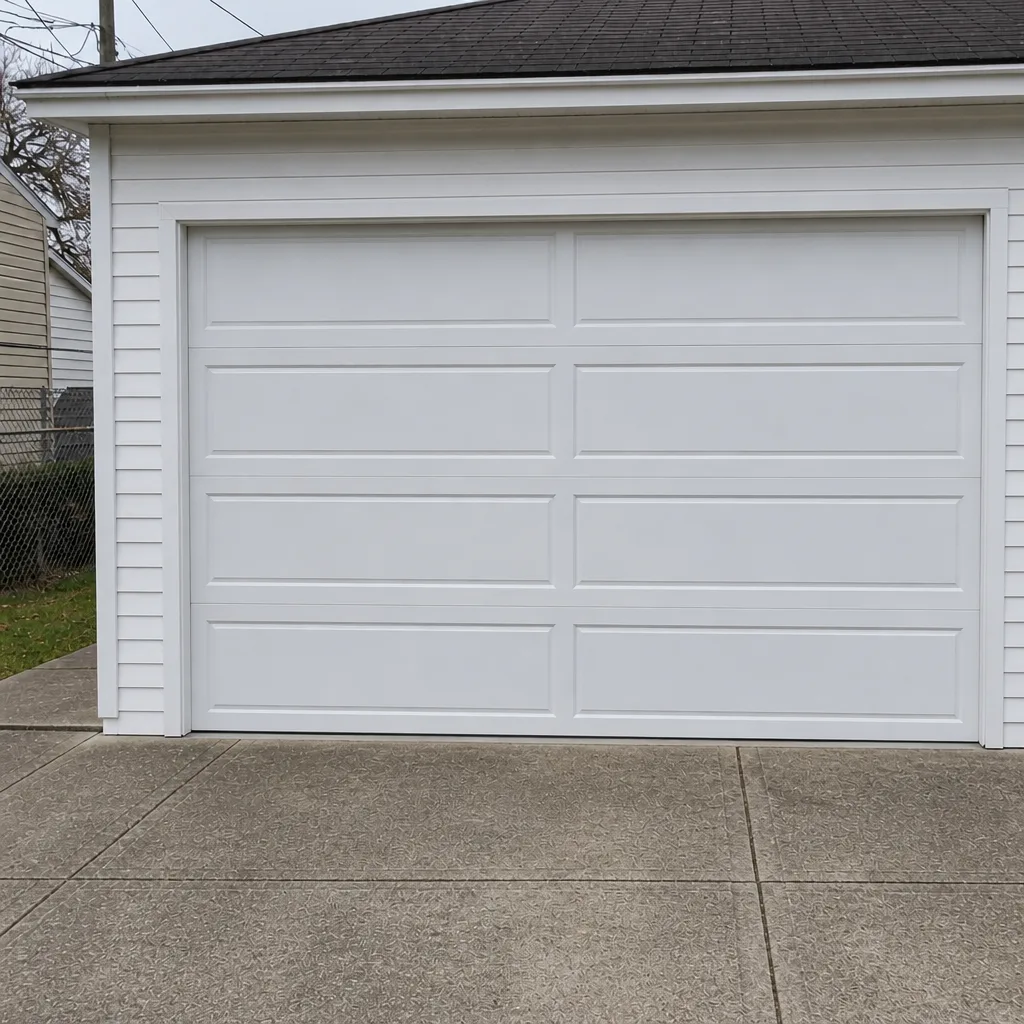
See the difference
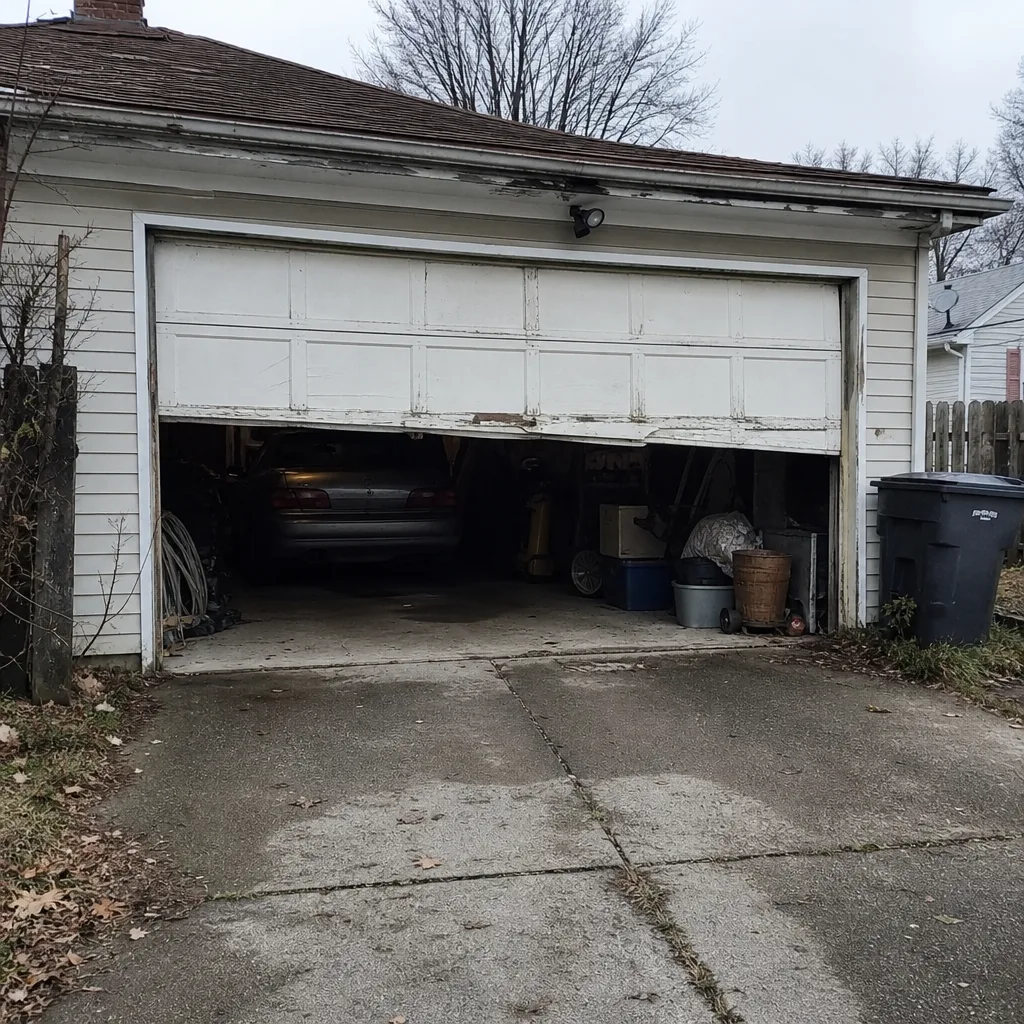 Before
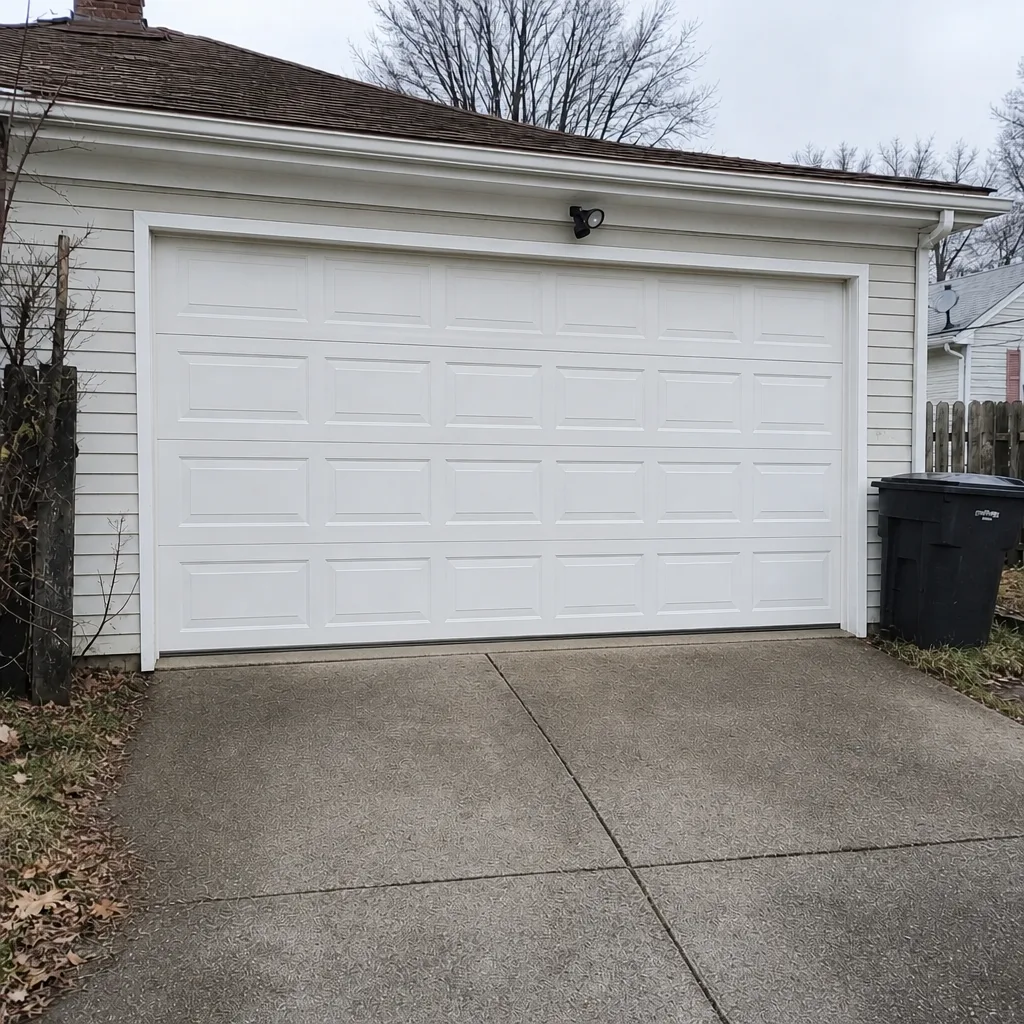 After
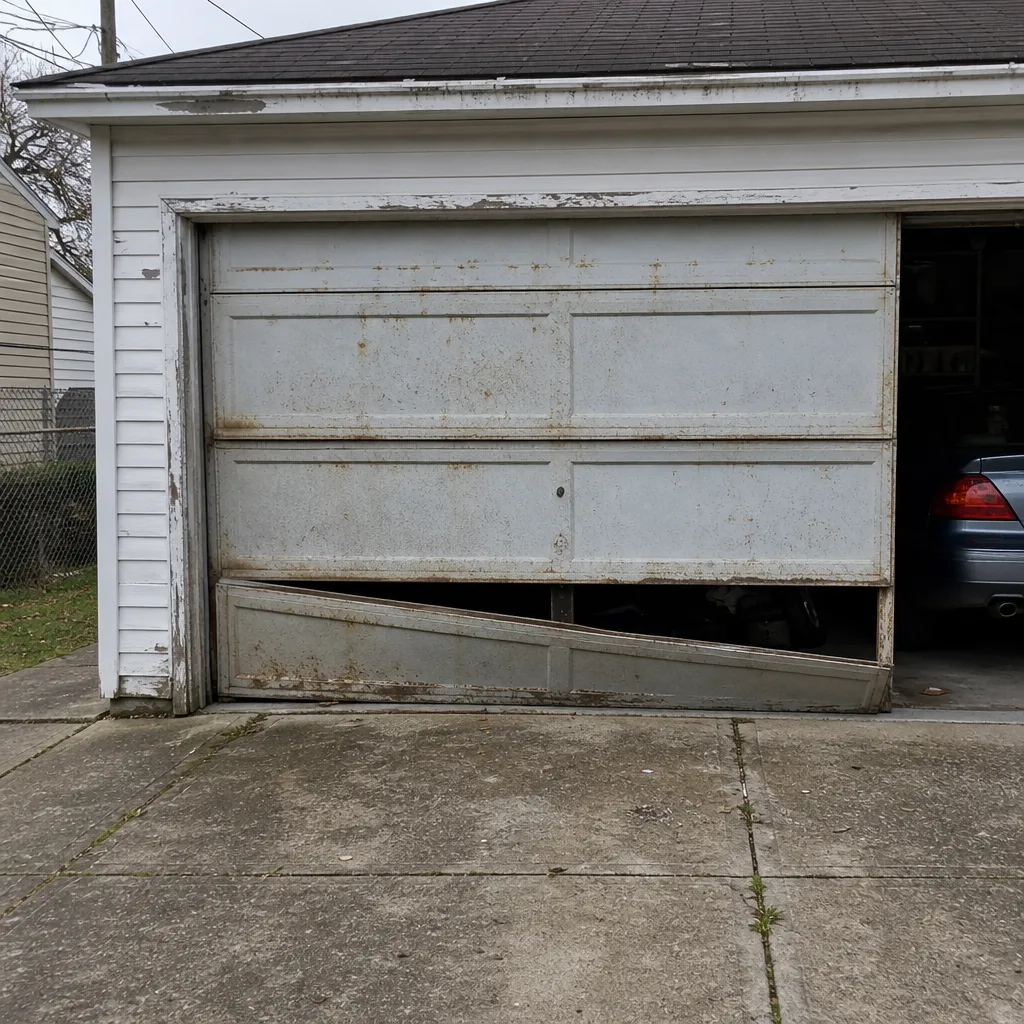 Before
 After
 Before
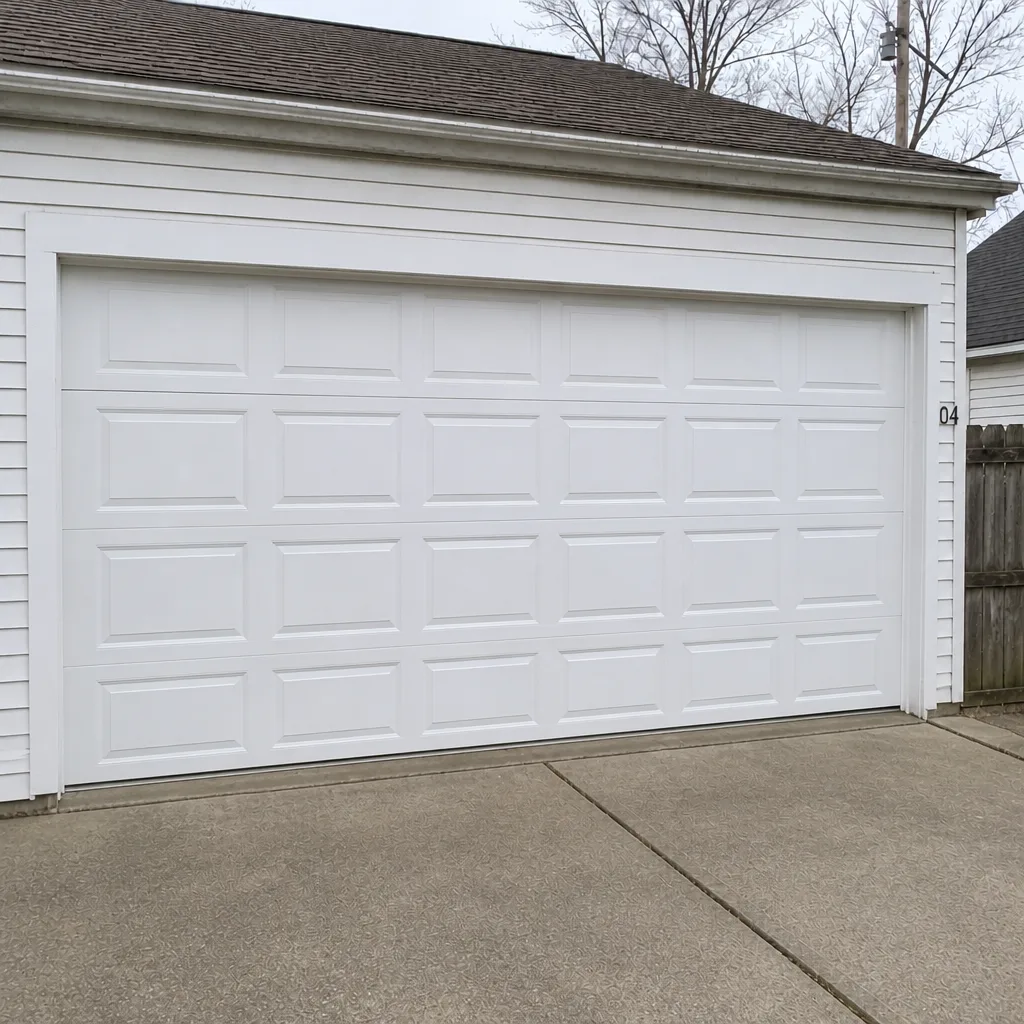 After
When to Call a Professional
Call us when the isolation test brings you to springs, cables, or a track that’s bent or off its rollers. Call us when the door reverses mid-travel, when the opener hums without moving, or when anything in the mechanism has been hit hard enough to shift. Call us when you’ve replaced a sensor and the door still reverses. Call us if you’re not sure – a five-minute phone diagnosis is free and cheaper than guessing. Oakes Garage Door Repair offers free estimates in Lakewood, and we handle garage door repair and garage door opener repair under one name. Call (844) 959-0082. The estimate is written down, and we confirm the price with you before any work starts – the quote is the price, no surprises on the invoice.
Frequently Asked Questions
Garage door repair in Lakewood typically ranges from about $125 to $400 for common fixes, depending on the part and the system involved. Spring repair is at the higher end because of the skill and safety requirements; a sensor or roller fix sits at the lower end. Call (844) 959-0082 for an exact quote – estimates are free, and we quote before we start.
Emergency garage door calls are a core part of what we do, and we respond to urgent calls fast. If your door won’t close and the house is left unsecured, call (844) 959-0082 and we’ll book the earliest visit – response windows depend on the day and the job, and we’ll tell you honestly what’s available. The best time to call is before the problem gets worse; a door that reverses at the floor is easier to fix than a door that has snapped a cable.
No. A slow door is usually a spring problem, not an opener problem. If you run the door by hand and it’s heavier than it used to be, the springs are failing and the motor is doing the work. Diagnose the springs before you consider a new opener. Call (844) 959-0082 if you’re not sure which end of the problem you’re looking at – our team can tell you in one visit.
Yes, and it’s the most common false-alarm cause we see in Lakewood. A dirty or misaligned photo-eye lens breaks the safety beam, and the opener reads that as an obstruction. Wipe the lenses, check the alignment lights, and test the door once. If it still reverses, the cause goes deeper – call (844) 959-0082 and we’ll find it.
No. We quote the price before work starts, and the written estimate is what you pay. If the diagnosis changes on arrival – for example, a spring replacement turns out to be a spring and cable job – we come back to you with the revised quote before any work begins. You’ll never get a surprise invoice. Estimates are free; call (844) 959-0082.
Yes. The local professionals we connect you with are licensed and insured as required where they work, and they’re specialists in garage doors, not general handymen. Our technicians have up to 8 years of experience in spring and opener work. Call (844) 959-0082 to book a visit or ask any questions before one.
The Bottom Line
Most Lakewood garage door problems are misdiagnosed because homeowners chase the symptom, not the system. The isolation test tells you whether the door, the opener, or a sensor is the problem in five minutes. Springs and cables are the one part of the system you should never work on yourself – the risk is real, and the fix is one phone call. Read the freeze-thaw pattern when the door misbehaves in cold weather, check the seal before you blame the sensors, and call Oakes Garage Door Repair when the door feels heavier than it used to. We quote before we start, so you’ll know the cost before we pick up a tool. Call (844) 959-0082 for a free estimate.
Written by the team at Oakes Garage Door Repair.