Last updated November 22, 2026
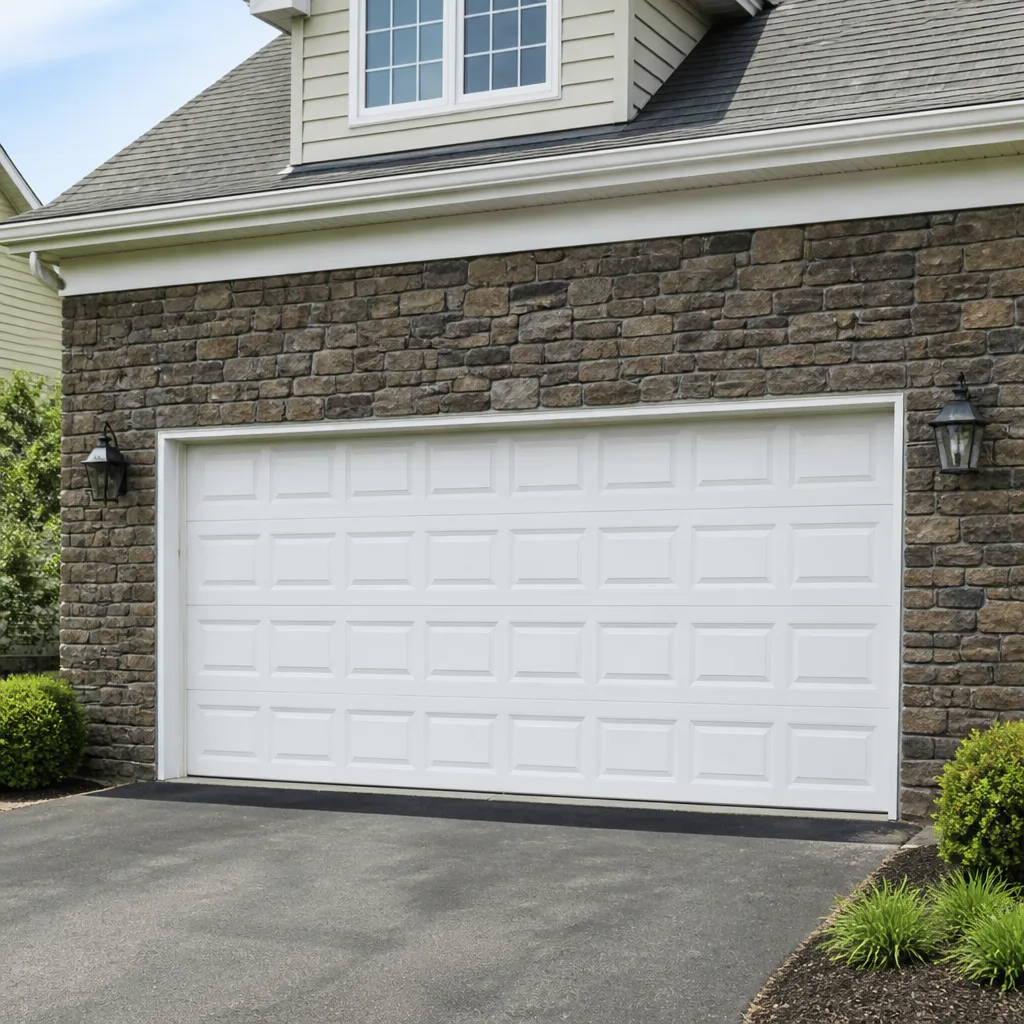 Raised-panel steel
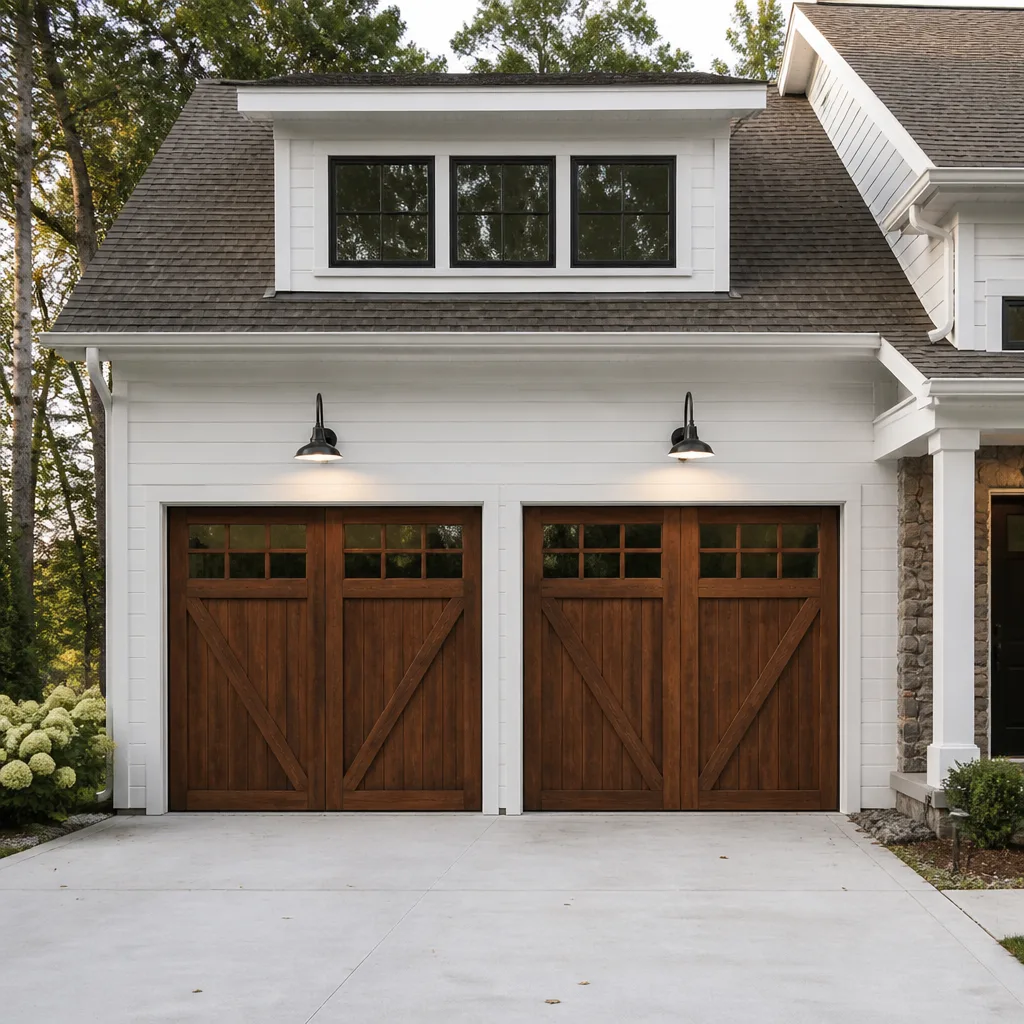 Carriage house
 Modern flush
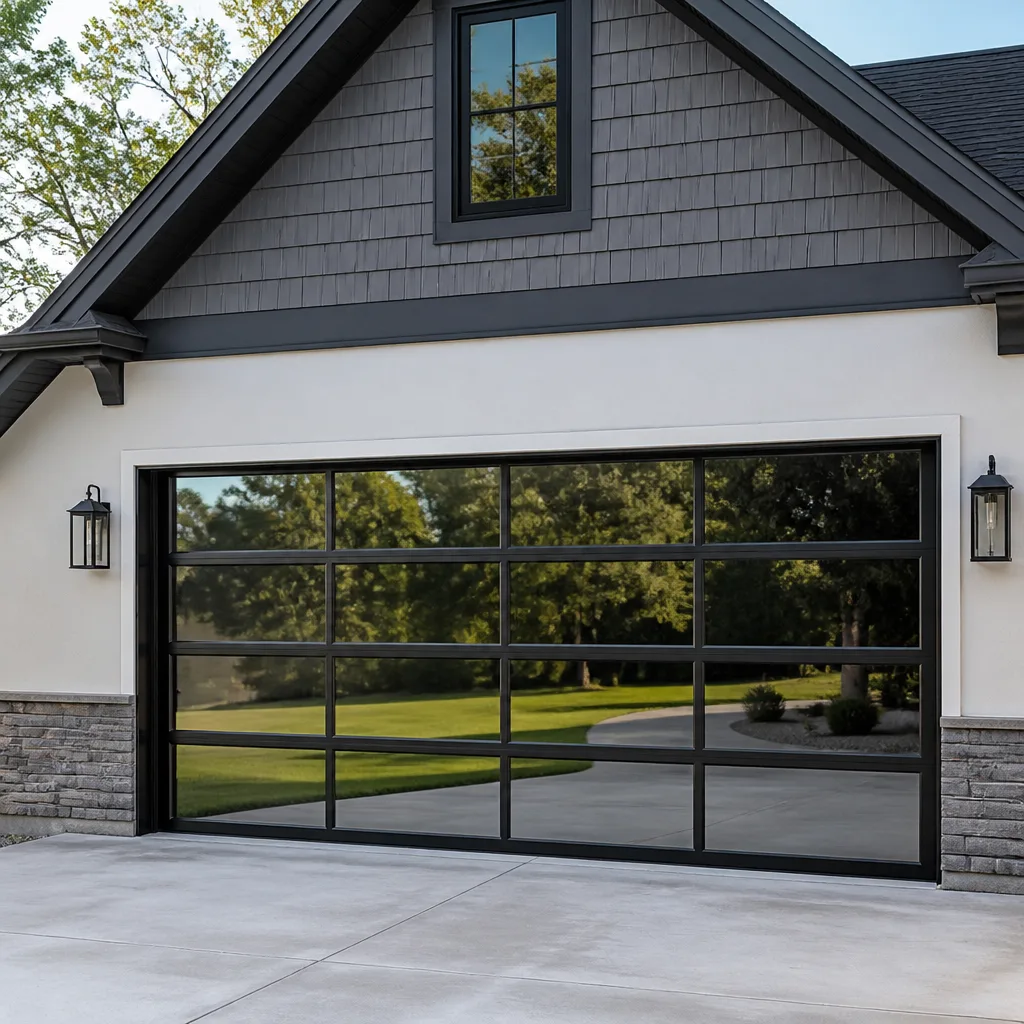 Full-view glass
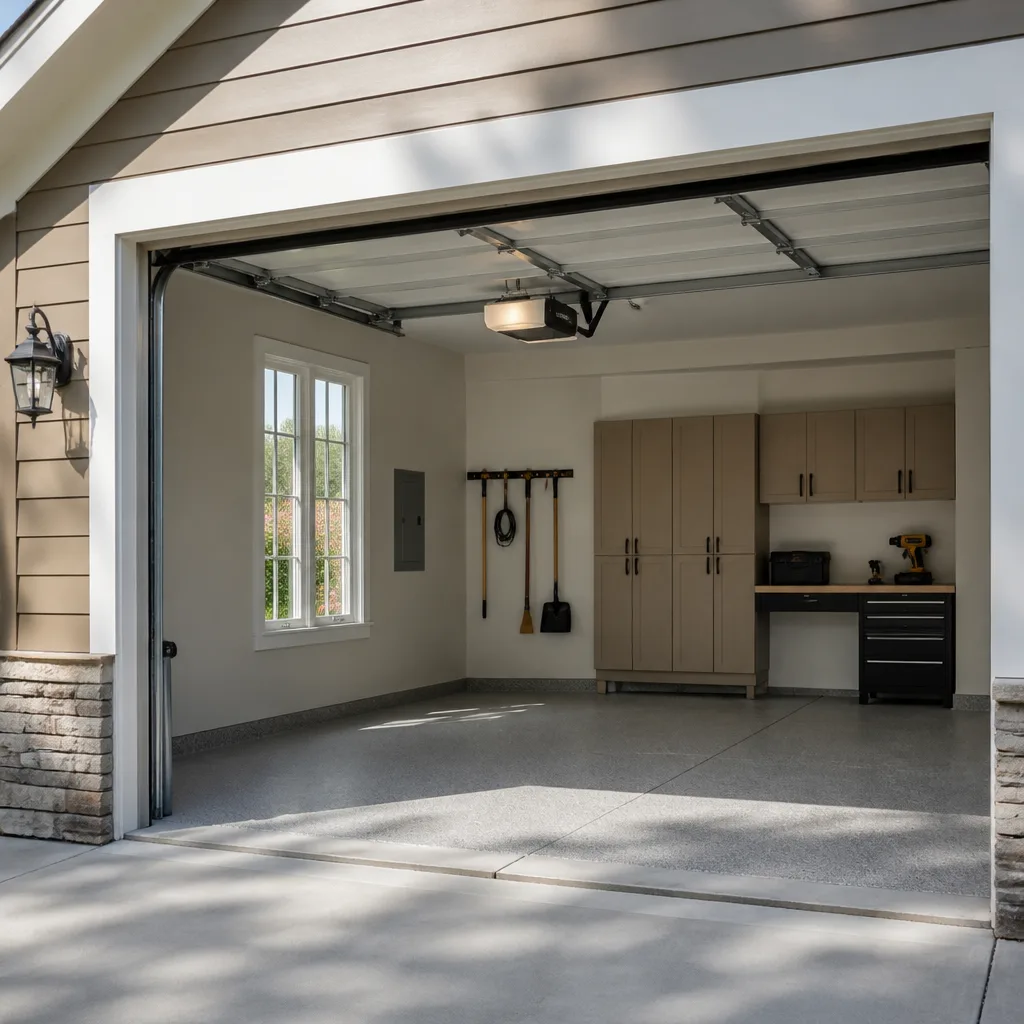 LiftMaster openers
 Chamberlain openers
Full 25-point door and opener safety check with every visit - springs, cables, rollers, tracks, and your LiftMaster or Chamberlain opener included
You get a price before we start. It does not change when the pro arrives.
Get your free estimateSeasonal Garage Door Care for Lakewood: Year-Round Homeowner’s Guide
Most garage door maintenance advice you’ll read was written for a place that doesn’t exist. It assumes one long winter, a gentle spring, and a summer that never really pushes past warm. Lakewood doesn’t work that way. This city gets lake-effect snow measured in feet some seasons, then swings hard enough that a driveway can be slush at breakfast and crusted ice by dinner. Those transitions, not the deep cold itself, are what take doors apart. We’ve watched the same pattern repeat: a door that sailed through January fails in late February because the freeze-thaw cycle got under its seals. This guide is built around what actually breaks here, and when. You’ll learn the October tasks that head off the three most common Lakewood winter failures, the spring humidity problem standard inspections miss, how to manage summer heat on a south-facing garage, and a short checklist for every season change.
Styles & brands we work with
- Raised-panel steel
- Carriage house
- Modern flush
- Full-view glass
- LiftMaster openers
- Chamberlain openers
Quick Answer
Seasonal garage door care in Lakewood comes down to timing your checks around the freeze-thaw cycle rather than the calendar. Do a seal and hardware inspection in October, clear snow and ice from the bottom seal right after every heavy lake-effect snowfall, check for rust on springs and hinges when spring humidity peaks, and watch south- and west-facing panels for warping through July and August. A 20-minute check at each season shift prevents most of the repairs we see.
Table of Contents
- Why Lakewood’s Climate Is Hard on Garage Doors
- The October Checklist That Prevents Three Winter Failures
- What to Do Right After a Heavy Lake-Effect Snowfall
- Spring Humidity and the Rust You Can’t See
- Summer Heat and South- and West-Facing Garage Doors
- The Under-20-Minute Seasonal Transition Checklist
- Spring Brittleness: The Failure Lakewood Homeowners Miss
- Winter Operating Habits That Save Your Opener
- Common Mistakes to Avoid
- When to Call a Professional
- Frequently Asked Questions
- The Bottom Line
Why Lakewood’s Climate Is Hard on Garage Doors
Lakewood sits in a band where lake-effect snow is a routine winter event, not a rare one. The city averages over 60 inches of snow a year, and the more punishing detail is how fast conditions flip. A 40-degree swing inside 48 hours is normal here, and that single fact drives most of the damage. Materials expand and contract at different rates, so the seal that fits snugly on a mild Tuesday can be stiff and cracked by Thursday.
Three things follow from that pattern, and they show up on door after door across Lakewood:
- Seals fail at the transitions. Rubber bottom seals and the weatherstripping around the frame take the brunt. Freeze-thaw cycles stiffen them, then a melt sends water underneath.
- Metal hardware works loose. Every swing pulls on hinges, brackets, and track bolts. Over a winter of temperature cycling, fasteners back out.
- Springs fatigue unevenly. Cold makes steel brittle, and the constant load changes stress springs in ways that a stable climate never would.
Homes across Lakewood’s older neighborhoods, from the streets near Madison Park down to the bungalows closer to the Rocky River, tend to have garages that were built for a gentler era of weather. That’s not a knock on the construction. It’s a recognition that today’s cycles are harder on older seals, wooden frames, and original hardware than most people plan for. Understanding the mechanism is what tells you when to act. The seasons below are organized around that order of failure, not a generic spring-fall-fall checklist.
The October Checklist That Prevents Three Winter Failures
October is the highest-value maintenance month in Lakewood. Get it right and you sidestep the three failures that fill our winter calendar: frozen seals, spring brittleness, and water intrusion. The logic is simple. Every material on your door responds to cold, so you want them healthy before the cold arrives, not after.
- Inspect the bottom seal. Run a hand along the rubber where it meets the floor. If it’s cracked, stiff, or doesn’t sit flush, it needs attention before the first hard freeze. A seal that’s already failing will freeze to the concrete and tear.
- Tighten and lubricate hardware. Check hinges, brackets, and track bolts for looseness. Apply a proper lubricant to rollers, hinges, and the spring (never grease the track itself, since that collects grit).
- Clear the floor and threshold. Water intrusion often starts with debris that holds meltwater against the door. Sweep the threshold, check that the floor slopes away, and look for gaps at the corners.
- Test the balance. Disconnect the opener and lift the door halfway by hand. It should hold. If it drifts down or feels heavy, the springs are already losing tension and cold will finish the job.
- Check the opener’s force and safety settings. Cold stiffens a door, which can overwhelm a marginal opener. Confirm the safety reverse works and that the door isn’t straining. If your unit is a LiftMaster or Chamberlain, the force adjustment procedure is in the manual.
- Look up at the tracks and panels. Are the tracks straight? Is any panel warped? Small issues caught now are cheap. Left through a winter of expansion and contraction, they become structural.
That list takes most homeowners under an hour. The payoff is a winter where your door doesn’t surprise you. If any step raises a flag you’re not comfortable handling, a garage door repair visit before the first freeze is far cheaper than an emergency call in January.
What to Do Right After a Heavy Lake-Effect Snowfall
Lake-effect snow is different from a general storm. It can drop a foot on one side of the city and leave another part nearly clear, and it piles up against the garage door specifically. The critical habit is the same after every heavy event: clear the snow and ice from the bottom of the door and the threshold before you open it.
Here’s the sequence that protects the door, track, and opener:
- Clear the bottom seal and threshold first. Use a plastic shovel, never a metal edge. A metal blade catches on a frozen seal and tears it, or gouges the door’s bottom panel.
- Break up ice without prying. If meltwater froze under the door, don’t force it up with the opener. Chip ice loose around the base with a plastic tool or use de-icer, then let it clear.
- Check the track for packed snow. Snow forced into the vertical tracks turns to ice and jams the rollers. Clear it before operating.
- Open slowly the first time. Listen. A door that strains or groans after a snow event is telling you the load is higher than it should be. Stop, clear more, try again.
- Watch for roof shedding. A snow load sliding off a garage roof lands on the door and can bend panels or snap a track bracket. Park clear of the drop zone and check the door after a shed.
One habit worth breaking: never force a door that’s frozen to the ground. The opener will keep pushing against a seal that’s stuck, and the strain travels back through the arm and the springs. When a door fails after a storm, it’s almost always because it was opened against resistance. If yours won’t budge, that’s a signal to call rather than to keep trying. Emergency service exists for exactly this.
Spring Humidity and the Rust You Can’t See
Lakewood’s springs bring lake humidity, and humidity does its quietest work on the parts of your garage door you never look at. The rust that matters isn’t the cosmetic kind on a hinge face. It’s the corrosion inside hinges, on roller stems, along the drum, and on the spring itself, where your eye rarely goes until the damage is done.
Standard visual inspections miss this because they only look at what’s facing out. The vulnerable spots sit on the underside of hinges, the surface of the track where rollers ride, and the coils of the spring. When humidity stays high, moisture settles into the same pockets every day. Rust starts there, and it slowly binds the moving parts.
What to actually check in spring:
- Hinge plates. Look at the knuckle where the hinge folds, not just the flat metal. A little orange dust means rust is starting inside.
- Roller stems and bearings. Stiff rollers with corrosion on the stem will wear the track. If a roller squeaks or feels rough, it’s a candidate for replacement.
- Track surface. Run a finger along the curved part of the track. Gritty texture or brown spotting means it needs cleaning and fresh lubrication.
- The spring. Surface rust on the spring coils isn’t cosmetic. It’s a warning that the steel is degrading, and springs are the highest-risk component on the whole door.
Cleaning and lubricating hardware in spring is genuinely worthwhile here, and it’s a step most people skip. If your inspection turns up a spring that’s rusting or a track that’s rough, don’t try to handle the spring yourself. Spring work is the one part of garage door maintenance that belongs to a specialist. Our garage door spring repair team handles torsion and extension springs under controlled tension, which is the only safe way to replace them.
Summer Heat and South- and West-Facing Garage Doors
Lakewood summers get humid and, on a door facing south or west, the garage itself becomes a heat trap. That’s where panel warping stops being a theory. A steel or aluminum door absorbs direct sun for hours and expands; then the evening cools and it contracts. Do that every day for weeks, and warping or panel buckling becomes a real material risk, especially on doors that are already showing age.
The fix isn’t complicated, but it takes forethought:
- Keep the garage ventilated. If your garage has a window or vents, use them. Trapped heat amplifies the stress on panels and overheats the opener motor.
- Watch the midday sun side. Doors on south- and west-facing walls catch the most direct afternoon heat. Check these panels first for bowing or a change in how they sit within the tracks.
- Keep the door’s metal components lubricated. Heat dries out lubricant faster. A mid-summer re-lube of rollers, hinges, and tracks keeps things moving smoothly.
- Check the opener’s duty cycle. A garage that runs hot plus a door that’s slightly stiff equals an opener working harder than it should. If it’s a Genie or Chamberlain unit, confirm it isn’t straining.
- Look at the paint and finish. A sun-baked door with failing paint or finish lets heat and moisture into the substrate. Touch up before it becomes a panel problem.
Panel warping is the failure Lakewood homeowners notice last because it happens gradually. A door that looked fine in June can show a slight bow by August. Catching it early means a repair or adjustment. Left alone, a warped panel strains the tracks and the opener, and the problem spreads.
The Under-20-Minute Seasonal Transition Checklist
You don’t need a long maintenance routine. The best insurance is a short, repeatable check tied to each season shift. This sequence catches roughly 80 percent of the issues that turn into repairs, and it fits into 20 minutes. Do it four times a year, at each transition, and you stay ahead of the cycle.
- Walk the perimeter (2 minutes). Look at the seal on all four sides. Check for gaps, cracks, or daylight showing through.
- Look up (2 minutes). Eyeball the springs, drums, and cables. Look for rust, fraying, or anything that looks different from last season.
- Test the balance (3 minutes). Disconnect the opener and lift the door halfway. It should hold. Note if it’s heavier than you remember.
- Operate and listen (3 minutes). Open and close the door. Listen for grinding, squealing, or straining. Feel the tracks for vibration.
- Check the hardware (3 minutes). Wiggle the hinges and brackets to find loose fasteners. Look at roller stems for rust.
- Test the safety reverse (2 minutes). Put an object under the closing door; it should stop and reverse. Confirm the opener’s settings match the season’s load.
- Clear and clean (4 minutes). Sweep the threshold, clear debris from the tracks, and wipe down anything that’s collected grit or moisture.
Print this and keep it in the garage. If the door does anything unusual during the check, don’t postpone the call. A quick diagnosis by a specialist is how most of the big winter failures we see could have been avoided. You’ll find our Oakes Garage Door Repair team knows the brand in your garage, so there’s no guesswork.
Spring Brittleness: The Failure Lakewood Homeowners Miss
Of the three common winter failures, spring brittleness is the one that catches people by surprise. A spring under a winter load doesn’t announce itself with a bang. It gets slightly less generous, holds slightly less tension, and then one cold morning it breaks. The 40-degree swings accelerate this because cold steel is brittle, and every cycle works the same weak points.
The warning signs are subtle, and they show up before a break:
- The door feels heavy when you lift it by hand. This is the most reliable early sign the spring is losing tension.
- The opener runs longer. A weakening spring means the opener has to work harder to lift the door, and you may notice it starts slower or strains.
- The door drifts back down. After you lift it halfway and let go, a healthy spring holds. A weak one lets it fall.
- Visible rust on the coils. Corrosion and cold are a bad combination. Rusting springs are more likely to snap.
Here’s what we tell homeowners: a garage door spring operates under extreme tension, and it’s the highest-risk component on the entire system. A broken spring can release that stored tension violently, and a snapped torsion spring or a whip of a cable is genuinely dangerous. This is not a do-it-yourself job, and we don’t write instructions for one. If your inspection suggests a weak or failing spring, that’s the moment to call a specialist. When a spring does break and traps the car, our garage door opener repair and emergency service handle the whole job. Never try to open a door with a broken spring by hand, and don’t let the opener push it.
Winter Operating Habits That Save Your Opener
The opener is the part of the system most likely to fail under winter stress, and most of the failures trace back to habits. A door that’s slightly stiff after a freeze sends more resistance back through the opener than it should ever carry. Small habits for the season make a real difference over a Lakewood winter.
- Clear ice before opening. Never operate the door when it’s frozen to the threshold. That single habit prevents a large share of winter opener failures.
- Let the door do the work. Don’t help by pulling or pushing while the opener runs. That confuses the safety system and strains the mechanism.
- Watch the first and last few inches. If the door binds at the bottom on cold mornings, clear the seal before trying again.
- Keep the opener setting appropriate. Cold stiffens the door; confirm the force and travel settings are right. If you have a LiftMaster, the manual covers the trim.
- Listen through the season. Any new noise is information. A door that starts straining mid-winter is telling you the load has changed.
One more: don’t let snow slide off the roof onto the open door. A shed load can bend panels or snap a track bracket, and the opener ends up trying to move a door that’s been shifted out of alignment. Park clear of the drop zone and do a visual pass after any big shed.
Common Mistakes to Avoid
- Ignoring the bottom seal until it tears. A cheap seal replaced in October is the simplest fix in this guide. Waiting until it freezes to the floor and tears turns a small task into a repair.
- Greasing the tracks. This is the opposite of what you want. Lubricant on the track collects grit and dust, and the rollers end up fighting it. Lube the rollers, hinges, and springs; keep the tracks clean and dry.
- Force-opening a stuck door. In Lakewood this happens most after a heavy lake-effect snow or a freeze. Forcing the door strains the opener and can damage the spring, and it’s exactly how winter emergencies start.
- Skipping the spring inspection. Springs fail quietly in this climate. Not checking them through the winter is the most common cause of the surprise break.
- Assuming the door is fine because it opened this morning. Warping, rust, and tension loss happen slowly. A working door can still be one cold morning away from trouble.
- Treating the garage door like a car door. It’s a spring-loaded mechanism with real stored force. The habits you use on a car door (pushing it, forcing it, ignoring noises) are the wrong ones here.
- Putting off the fall check because the weather is still mild. October in Lakewood is your best window. Once the freeze sets in, small problems harden into real ones.
When to Call a Professional
Some tasks belong in your hands. Others belong with a specialist, and knowing the line is the whole point. Call a professional if you find rust or a weak spring on inspection, if the door won’t hold when you lift it by hand, if the tracks are bent or the door is out of alignment, or if the opener strains, reverses unpredictably, or fails to reverse safely. Also call if the door has been damaged by snow shed from the roof, if a spring has broken, or if the door is stuck open or closed after a storm. When the door fails at the wrong moment and traps a car or leaves the home unsecured, that’s an emergency call, and we’re built for it.
Our technicians have up to 8 years of experience, and we work on the eight leading brands, including LiftMaster, Chamberlain, Genie, and Clopay. Spring work, opener diagnosis, panel issues, full installs: one call covers it. Oakes Garage Door Repair offers free estimates in Lakewood. Call (844) 959-0082.
Frequently Asked Questions
Four times a year, timed to the season shifts, is the right cadence for this climate. The October check matters most because it prevents the three common winter failures, but a short pass at each transition catches the rest. Each one fits under 20 minutes with the checklist above.
Freeze-thaw cycles are the culprit. Meltwater gets under the seal, then freezes and expands, and the constant flexing stiffens and cracks the rubber. A healthy seal installed before winter and cleared of ice after each snowfall lasts much longer. Call (844) 959-0082 if yours is already cracking.
No. Garage door springs operate under extreme tension, and a broken torsion spring or snapping cable can release that force violently. Spring replacement belongs to a trained specialist with the right tools. Our team handles torsion and extension springs safely, and we recommend calling rather than attempting it.
Clear the snow and ice from the bottom seal and threshold before opening the door, using a plastic shovel. Then check the vertical tracks for packed snow and ice. Never force a door that’s frozen shut; clear it first, then open slowly and listen for strain.
Yes. South- and west-facing doors get the most direct heat, which makes panel warping a real risk. Keep the garage ventilated, check those panels for bowing through July and August, and re-lubricate the hardware mid-summer since heat dries it out faster. Catch a slight bow early and it’s an adjustment, not a replacement.
It can be. Surface rust on the coils signals the steel is degrading, and combined with Lakewood’s cold swings it raises the chance of a break. Have a specialist check any spring that’s rusting or losing tension. Our technicians have up to 8 years of experience with this exact failure.
The Bottom Line
Seasonal garage door care in Lakewood is really about timing your checks around the freeze-thaw cycle rather than the calendar. The OctTOber check prevents the three winter failures: frozen seals, brittle springs, and water intrusion. Clearing snow after each lake-effect event protects the door, track, and opener. Spring humidity rusts the hardware you can’t see, and summer heat warps south- and west-facing panels. The under-20-minute transition checklist catches most of it before it becomes a repair. Do the checks, respect the danger of springs, and call when something needs a specialist. When you do, Oakes Garage Door Repair is ready. Call (844) 959-0082 for a free estimate.
Written by the team at Oakes Garage Door Repair.
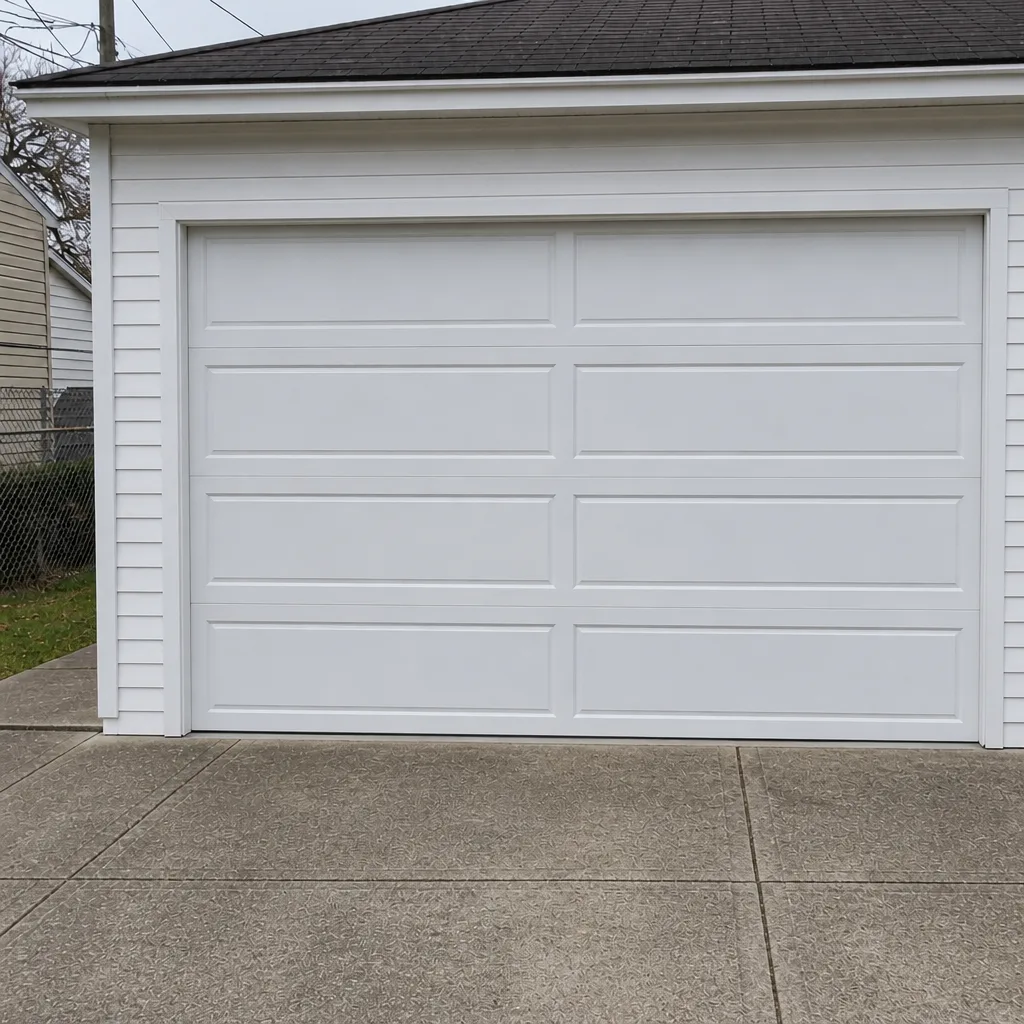
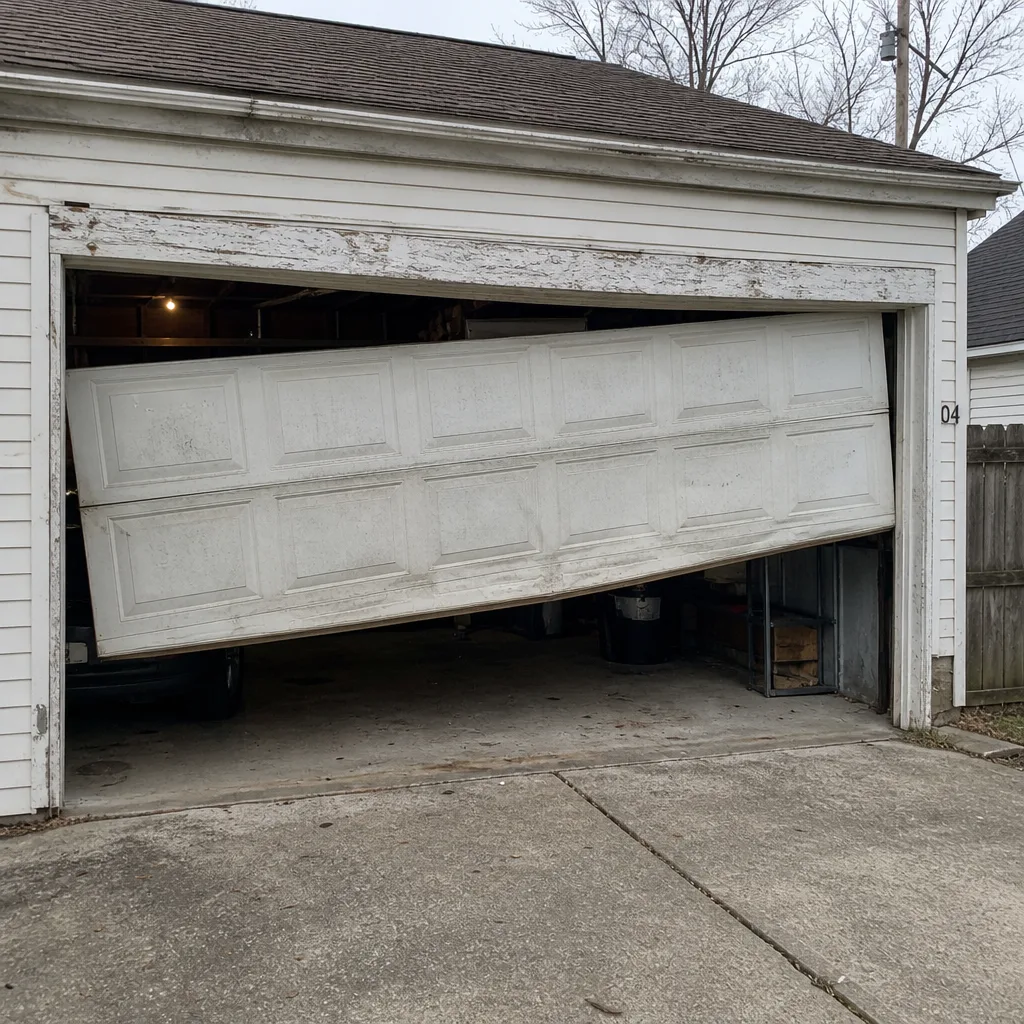
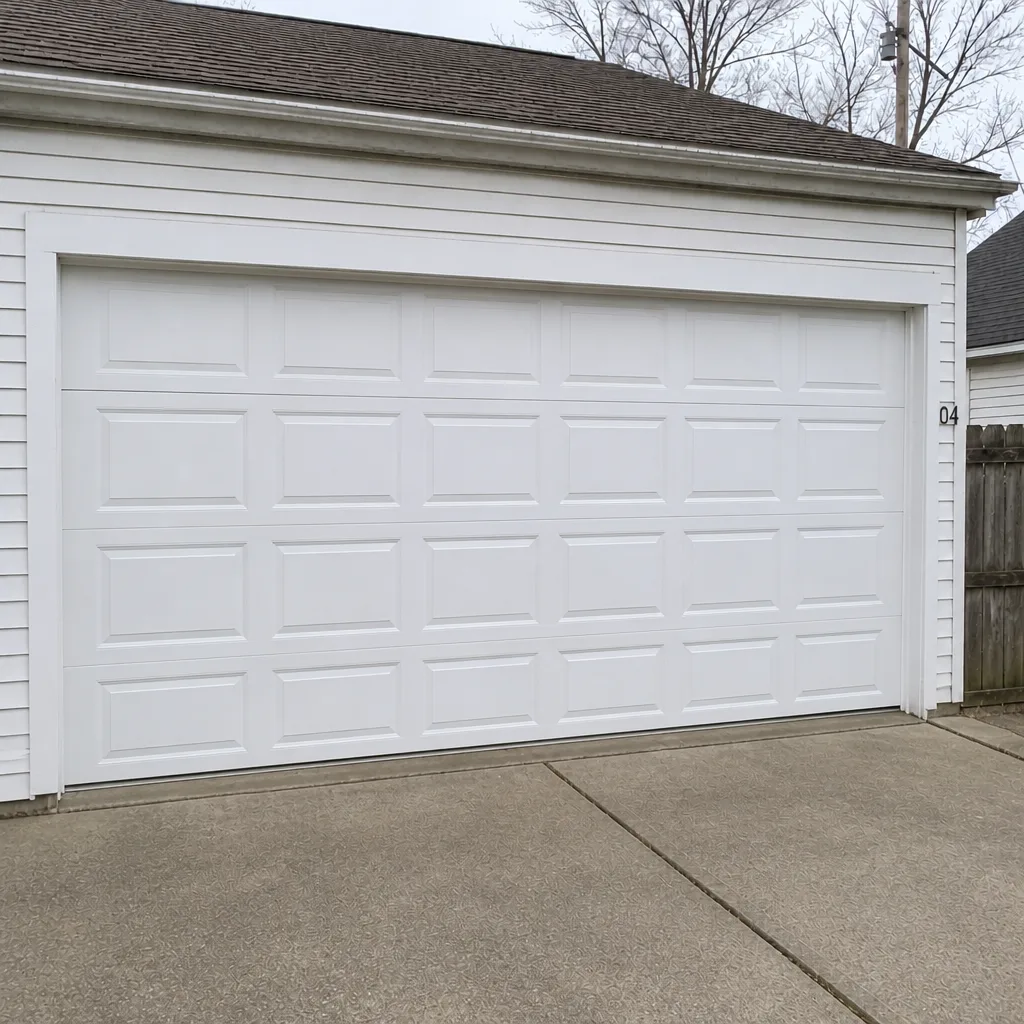
See the difference
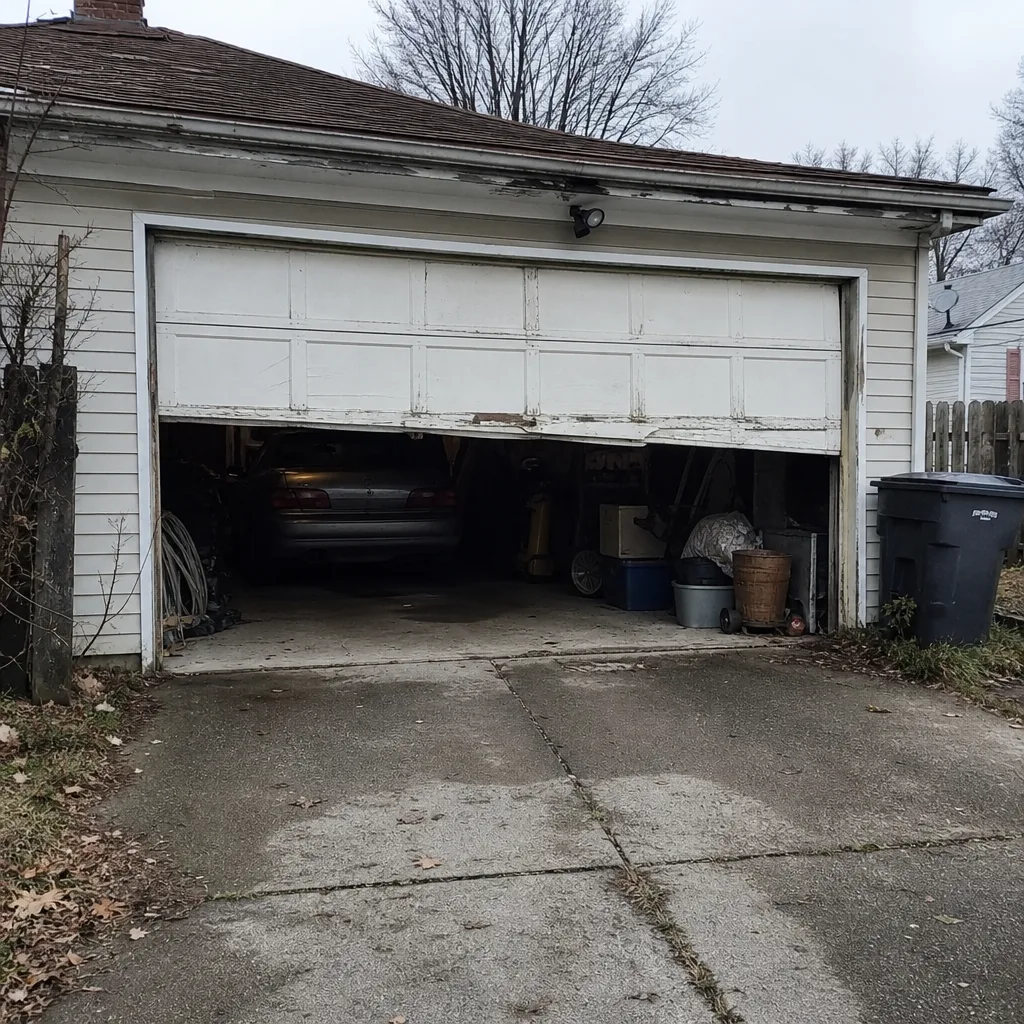 Before
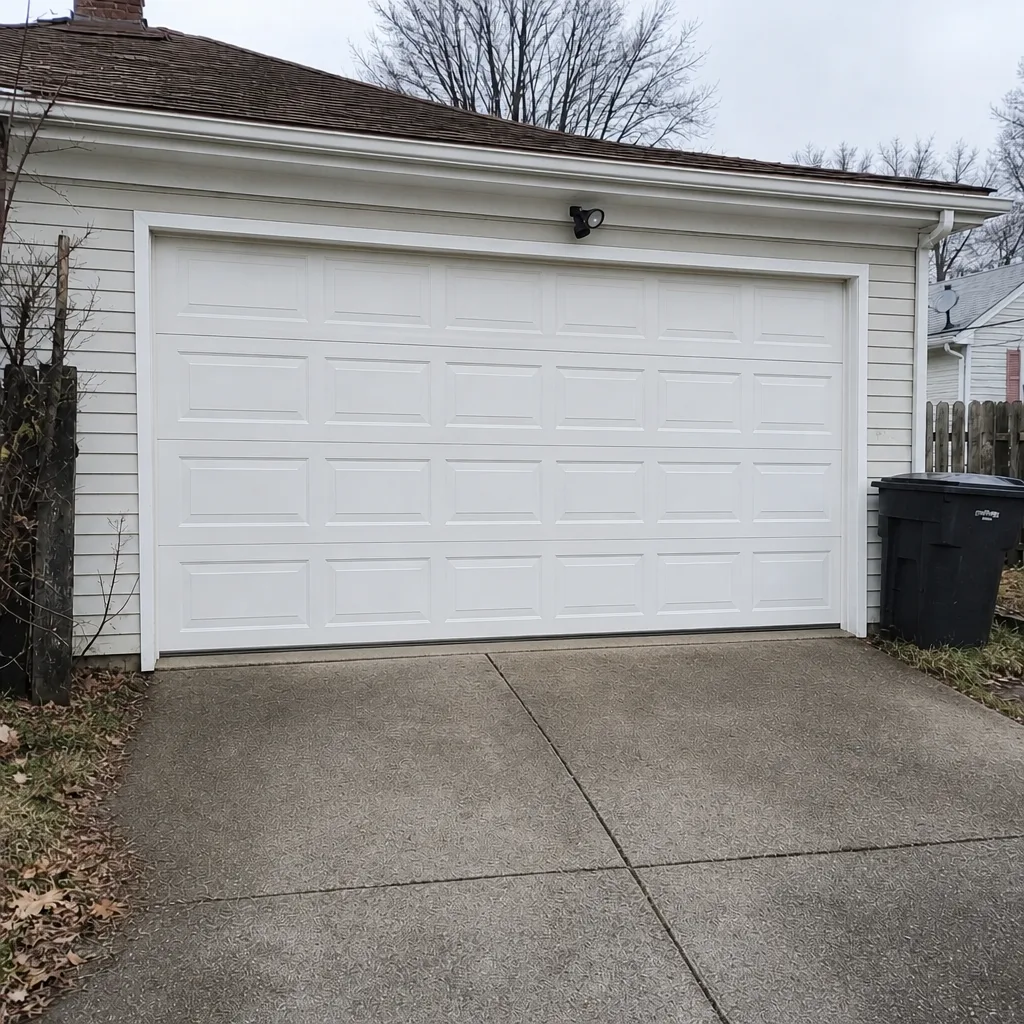 After
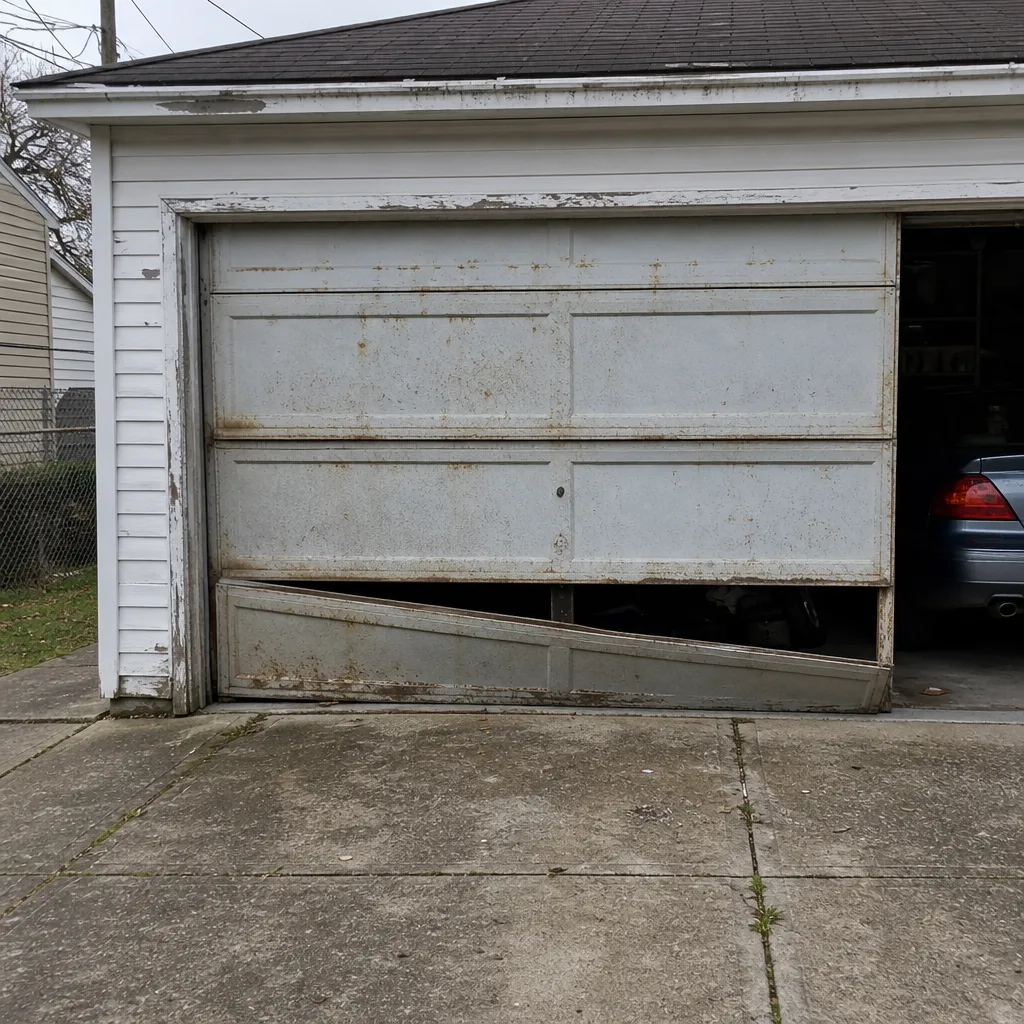 Before
 After
 Before
 After