Last updated November 22, 2026
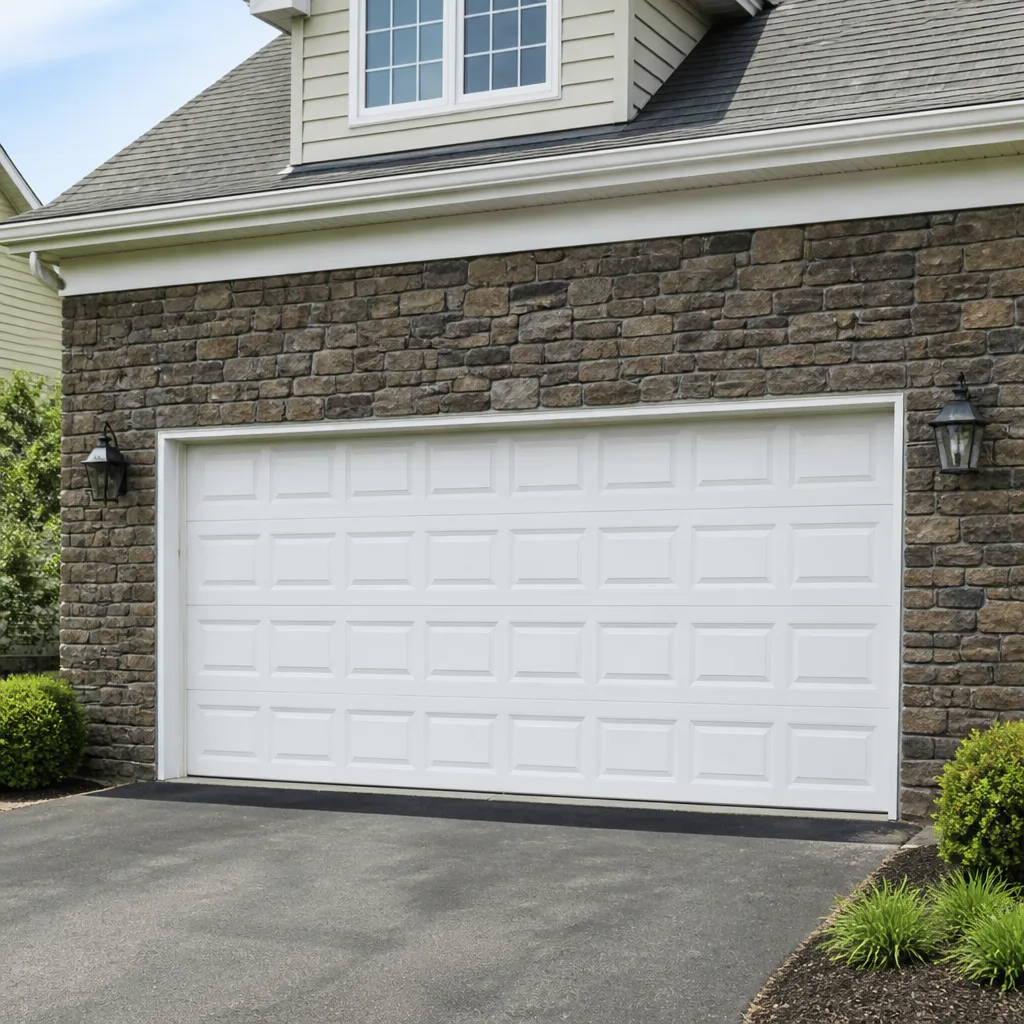 Raised-panel steel
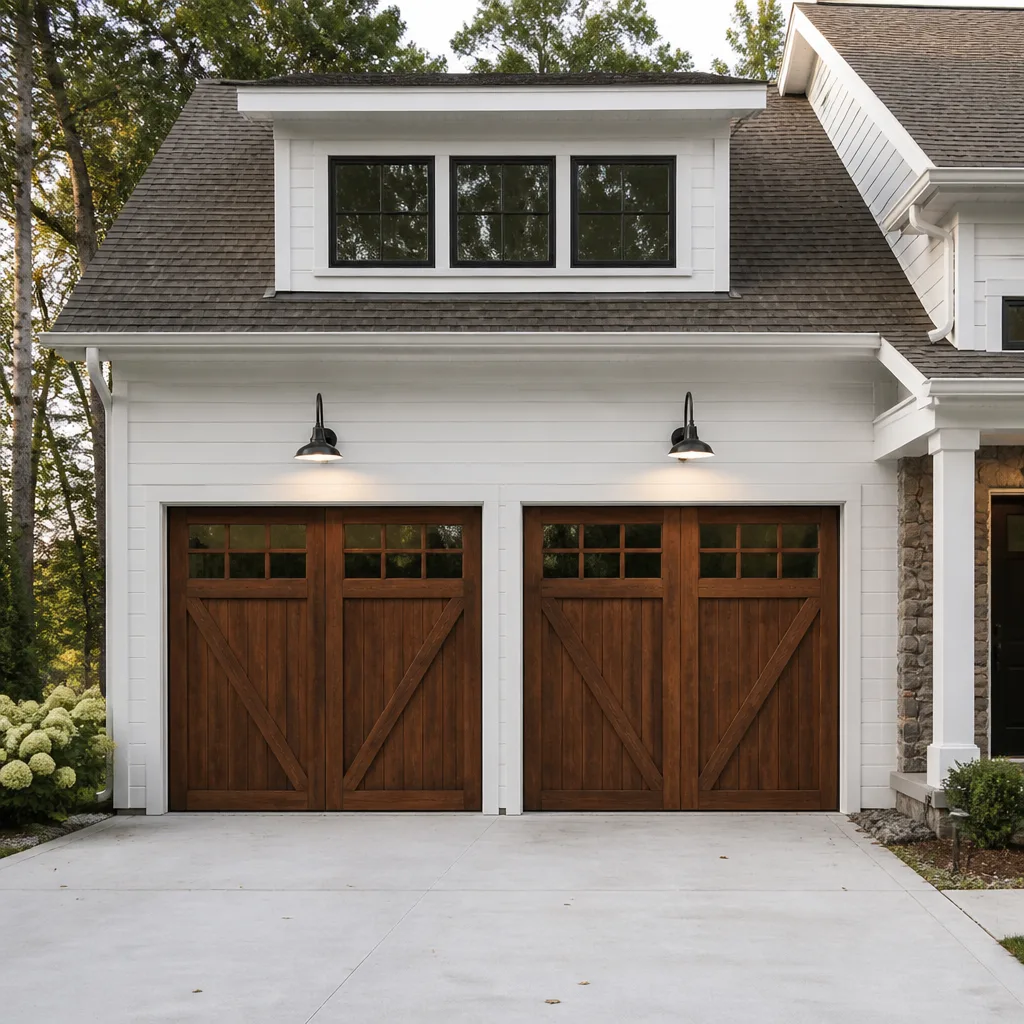 Carriage house
 Modern flush
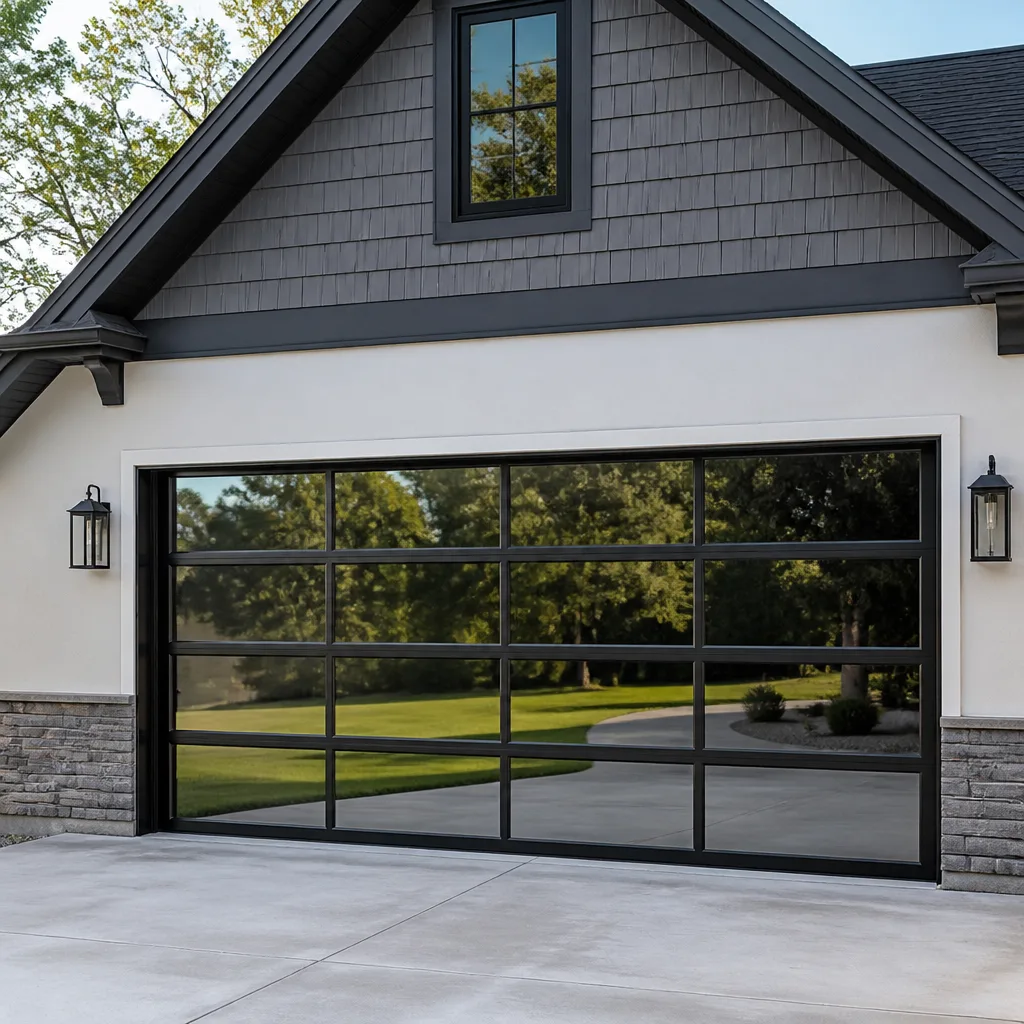 Full-view glass
 LiftMaster openers
 Chamberlain openers
Full 25-point door and opener safety check with every visit - springs, cables, rollers, tracks, and your LiftMaster or Chamberlain opener included
You get a price before we start. It does not change when the pro arrives.
Get your free estimateGarage Door Warning Signs: A Lakewood Homeowner’s Reference Guide
A garage door doesn’t just stop working one day. It warns you for weeks. The problem is that most of those warnings look like minor annoyances. A little rattle here, a door that hesitates there, a panel that looks a touch off. Homeowners in Lakewood lose cars, lose security, and pay emergency rates because they ignored signals they didn’t know to read. This guide is about the subtle stuff, the early signals that show up long before a spring snaps or an opener dies. We’ll cover what to listen for, what to look at, and the sixty-second test that tells you whether your door is quietly failing.
Quick Answer
The most common early warning signs of a failing garage door are a rattle or grind that changes with door position, a door that drifts or sticks without a clear cause, uneven panel gaps, and an opener that hesitates or strains. A sixty-second balance test with the opener disengaged tells you quickly whether the door’s mechanical parts are healthy. If anything in this guide sounds familiar, get it looked at before it becomes an emergency.
Styles & brands we work with
- Raised-panel steel
- Carriage house
- Modern flush
- Full-view glass
- LiftMaster openers
- Chamberlain openers
Table of Contents
- What the Sounds Tell You
- Visual Warnings: Panels, Tracks, and Cables
- The 60-Second Balance Test
- Why Your Door Sticks in Cold Weather
- Opener Behavior That Signals Motor Stress
- Weatherstrips, Seals, and What They’re Telling You
- Building a Simple Maintenance Rhythm
- Which Warnings Mean Emergency, Not Appointment
What the Sounds Tell You
When we listen to a door, we’re not just hearing noise. We’re hearing pitch, rhythm, and where the sound is coming from. A generic “grinding” complaint tells you nothing useful. But a squeal that starts at a specific height on the track tells you where the problem is.
Pitch and Its Meaning
A high-pitched squeal is almost always friction. It usually comes from a dry roller, a worn hinge, or a track that’s slightly out of alignment. On its own, that squeal is rarely dangerous, but it’s a clear signal that something is rubbing that shouldn’t be, and friction only gets worse.
A low grind or scrape is different. A grind that appears during the first two or three feet of travel often points to a roller or hinge near the bottom of the door. A grind in the middle of the opening cycle usually points to a torsion area or a bowed section of track.
Timing and Location
The timing matters as much as the pitch. Note when the noise happens:
- If it only happens as the door starts to move, the issue is often in the bottom hinges or the cables.
- If it happens at a specific point in the travel, a track or roller is the usual suspect.
- If the sound changes from a squeal into a repeated clunk, something is coming loose.
For a homeowner in Lakewood, that change from month to month is the key indicator. Sounds don’t improve on their own. If we’re honest, a squeal that gets louder is one of the clearest early warnings that something is wearing fast. Catching a worn roller or hinge with a garage door repair visit is a small job compared to replacing broken glass in the driveway or dealing with a door that won’t open at all.
One sound that earns immediate attention is a sudden, sharp bang from the center of the door. That’s a spring giving out. It’s not subtle, and it’s not the kind of warning this guide is mostly about. When you hear it, stop what you’re doing and call a specialist.
Visual Warnings: Panels, Tracks, and Cables
The visual clues on a garage door are quieter than the sounds, but they arrive earlier. That’s why we look at doors before we look at openers.
Panel Deformation
A section panel that looks bowed, cracked, or bent at the seam is more than a cosmetic issue. Uneven panels usually mean the door is no longer balanced. When the door loads unevenly, the springs on one side carry more of the weight than the springs on the other. That’s the setup that leads to a snapped spring. A bowed panel is often the visible fingerprint of a spring already struggling.
Track Alignment and Gap
Run your eye down the vertical track on each side. It should be straight and parallel to the wall. Any wobble, twist, or gap where a bracket has pulled slightly away from the wall is a warning. A bent track forces the rollers to fight the geometry, which wears the rollers, strains the opener, and eventually leads to a door that fails to close fully.
Cables and Hardware
Cables are the highest-tension part of the whole system. Never touch a cable with a loose end or a frayed strand. Look, don’t handle. If a cable has come out of its drum, has a kink, or shows fraying along its length, that’s a stop-now warning, not a keep-an-eye-on-it warning. Call a professional. Cables and springs sit under extreme tension and have caused serious injuries to homeowners who tried to adjust them. In our experience on Lakewood doors, cable issues often sit quietly behind a symptom that looks like something else.
If you catch any of these visually before the door stops entirely, we work on the brand already in your garage here: Craftsman, Raynor, LiftMaster, and the other major names. We don’t push a replacement when a repair makes sense.
The 60-Second Balance Test
Here’s the single fastest way to check whether your opener is compensating for a failing spring. It takes under a minute, and it can save you from a much bigger bill.
Before you start, note which opener you have. Most openers run on a manual release cord you pull to disengage the motor. Ours look at LiftMaster and Chamberlain openers most often on Lakewood doors, and every one of them makes a manual release easy to find.
How the Test Works
- Close the door and let it rest fully down.
- Pull the manual release cord to disconnect the door from the opener rail. The door should now move freely by hand.
- Lift the door about halfway and let it go.
- Watch it carefully. A healthy door stays where it is. It might drift an inch or two. It does not fall.
- Reconnect the release when you’re done.
Reading the Result
A door that slides down under its own weight is telling you the spring has lost tension. That’s the classic signal that the spring is failing even if it hasn’t broken yet. In that state, the opener is carrying weight it was never designed to carry. That’s why the opener runs hot, hesitates, and dies young on doors with bad springs.
If the door takes real effort to lift, the spring may be too tight or the track is binding. Either one strains the opener.
If the door stays put, the balance is good. That result is your baseline, and repeat the test a few times a year. A garage door spring repair on a door that’s drifting is a scheduled job. The same repair after the spring breaks is an emergency call, and it’s a lot harder on the wallet. If you’d like your own test run by someone who’s done it hundreds of times, our team handles this sort of check as part of any repair visit.
Why Your Door Sticks in Cold Weather
A door that drags or sticks when the weather turns cold is one of the most misread problems we see. Homeowners assume the cold is the culprit. Sometimes it is, but more often, the season has simply revealed a problem that was already there.
Two things change in cold weather. Rubber seals harden and grip the door more tightly, and the metal track contracts very slightly. Neither one causes a healthy door to stick. What they do is expose a door that was already out of alignment or a seal that was already worn.
Seals vs. Track Alignment
If the door struggles at the very bottom of the travel, the bottom weatherstrip is the usual suspect. A seal that’s hardened or flattened grips the door as it starts to close. That’s a seal problem, and it’s a small fix. Replacing the bottom seal restores a clean close.
If the door fights somewhere along the run, the track has likely shifted. A track out of alignment during warmer months is easy to ignore. In winter, the drag becomes obvious. That distinction matters because the fix for a seal is very different from the fix for a track.
Why it Matters for the Fix
You don’t want to spend money on the wrong repair. A door that sticks because of a worn seal is not the same as a door that sticks because the track is bent. If you treat the weather as the cause, you’ll keep waiting for spring and the underlying problem will worsen. Catching it early means a garage door repair visit can address the real cause instead of just chasing symptoms.
Cold weather also gives you a useful physical test. If you feel a hard, sticky grip at the very bottom of the door, that’s the seal. If you see a visible gap at the top or side tracks, or the door looks like it’s angling itself as it moves, that’s alignment. The weather didn’t cause either. It just made it easier to see.
Opener Behavior That Signals Motor Stress
An opener that hesitates, reverses, or moves slower than it used to is showing you signs of motor stress. Most homeowners mistake it for an old opener and plan to replace it. The opener may be fine. The problem may be what it’s being asked to do.
Hesitation
A door that pauses before moving, especially after the opener engages, is often straining against resistance. That resistance comes from one of three places: an unbalanced door (a weakening spring), a track that’s out of alignment, or worn rollers that drag instead of roll. The motor is working harder than it was designed to.
Reversal
If the door goes up a foot and then reverses without explanation, don’t jump to “the opener needs replacing.” On many models, that’s a safety reversal responding to resistance. The opener is doing what it was built to do. The resistance is the signal. Check for anything blocking the path, then look at the balance test above. A door that’s failing the balance test often causes openers to reverse repeatedly.
Slow Movement
A door that’s gotten noticeably slower over a few months is showing you its strain. On many LiftMaster and Chamberlain units, that’s the motor working against a mechanical problem. Newer models have logic that adjusts as resistance builds, so a door that’s slowing down is telling you something needs attention.
The distinction matters because the wrong fix is expensive. Replacing an opener that isn’t the problem won’t make the door faster. In our experience, a frustrated Lakewood homeowner who replaces an opener to solve a slow door finds the door is still slow with the new unit, because the opener was never the problem. A diagnostic from someone who specializes in doors, not openers alone, saves that second call. A quick garage door opener repair visit can confirm which part is actually tired.
Weatherstrips, Seals, and What They’re Telling You
Seals don’t fail loudly. They fade slowly, and the damage starts as a gap you don’t notice. For Lakewood homeowners, that matters because a seal gap lets water and cold air into the garage and, over time, into the house.
What to Look For
Check the rubber strip along the bottom of the door and around the sides. Look for:
- Flattened sections where the door has been sitting on the seal the same way for years.
- Hardened or cracked rubber that no longer flexes when you press it.
- Visible daylight at the corners or along the bottom when the door is fully closed.
- Water marks on the garage floor near the door after rain.
Any one of these is a sign the seal is past its useful life. A worn seal doesn’t just waste heat. It lets in moisture and debris that accelerates wear on hinges and rollers. Replacing it is one of the lowest-cost repairs in the door, and it’s a clean way to prevent problems with more expensive parts.
Seal and Panel Interaction
If the door’s bottom panel has begun to deform slightly, that deformation can be caused by a bottom seal that’s been binding and forcing the door to work at an angle. That’s a small panel issue now and a spring problem later. Catching the seal early protects both.
Building a Simple Maintenance Rhythm
A garage door is a mechanical system with hundreds of moving parts. It doesn’t need a lot of attention, but it does need regular attention. The easiest way to avoid a Lakewood emergency is a simple inspection rhythm that catches problems early.
- Once a month, listen. Close and open the door with the garage quiet so you can hear unusual sounds. Note any new squeaks, grinds, or clunks.
- Every three months, look. Check the tracks, the panels, and the bottom seal for the visual signs in this guide.
- Twice a year, do the balance test. Pull the release, lift the door halfway, and see if it holds.
- Once a year, have a specialist look at the whole system. A trained eye catches things a visual inspection can’t, especially in the areas around the springs, cables, and opener drive.
A Note on Lubrication
Lubrication helps reduce friction, but it’s a double-edged fix. Lubricating the wrong parts, especially a spring or a cable, can attract grit and cause wear. Keep lubrication to the moving parts a specialist points out. Springs and cables are best left to a professional. If a squeal doesn’t fade after lubrication, that’s a sign the cause is deeper than dry metal.
If you’d like a single annual visit to cover all of this, our team handles full-system checks as part of any repair visit. We’ve found that Lakewood homes tend to hold up well through the seasons if the door gets caught early. Inland Ohio winters put real strain on every seal and track, and the doors that get regular attention tend to be the ones that don’t fail on a Monday morning when the car needs to leave.
Which Warnings Mean Emergency, Not Appointment
Not every warning is urgent. Some are. Knowing the difference keeps you from calling late, and from calling too often.
Call Now
- A spring has snapped. You’ll usually hear a sharp bang. Do not open the door by hand. The cable can be slack and dangerous.
- A cable is off the drum or visibly frayed. Do not touch it. Call a professional.
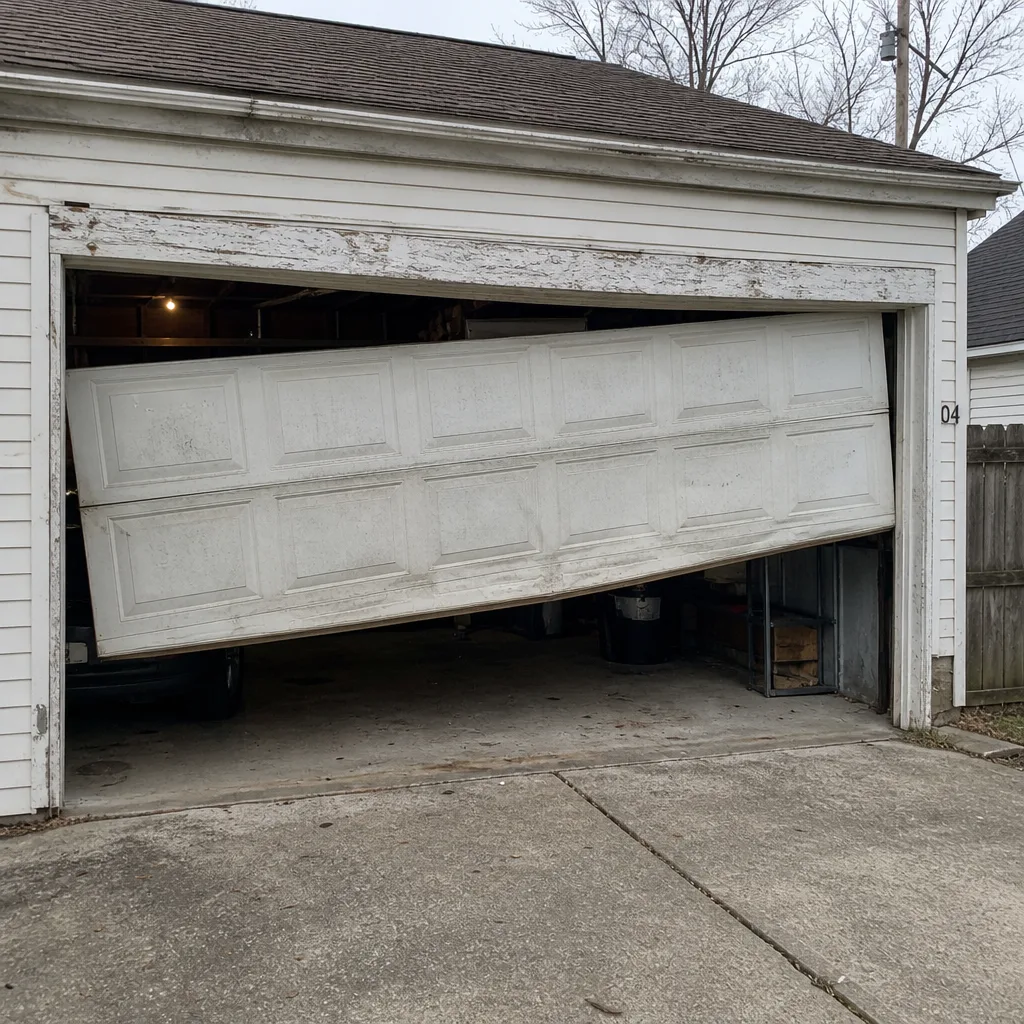
- A door is hanging crooked and no longer seals. This is a security failure as well as a mechanical one.
- A door has partially moved and stopped, leaving your car trapped or your home exposed. This is what emergency service is for.
Schedule Soon
- A squeal, grind, or rattle that’s been repeating for more than a couple of weeks.
- A door that hesitates before moving but still moves.
- A seal with visible gaps and daylight.
- A door that fails the balance test.
If you aren’t sure which category you’re in, call and describe what you’re seeing. The emergency cases are usually obvious, and the scheduled cases are usually fine for a short wait. One call to a specialist resolves the question either way. Spring and cable issues are the ones we never advise a homeowner to handle themselves. The tension stored in those parts is the highest-risk piece of any garage door system, and trained hands are the only safe way to work around it.
Common Mistakes to Avoid
- Treating noise as part of the door’s character. A door that’s developed a new sound hasn’t grown a personality. It’s telling you something has changed, and it will keep changing until you address it.
- Replacing the opener to fix a slow door. The opener may be doing exactly what the mechanical parts are forcing it to do. Diagnose the mechanical side first.
- Trying to fix a spring or cable yourself. These parts are under extreme tension and can cause serious injury. There’s no version of this where a homeowner should be reaching in.
- Ignoring a bowing panel. A bowed panel is often the visible sign that a spring is already straining. Waiting for the spring to break turns a scheduled job into an emergency.
- Blaming the weather for a door that drags in cold months. The cold exposes alignment and seal problems, but it doesn’t cause them. Fix the underlying cause and the door works all winter.
- Lubricating parts that aren’t meant to be lubricated. Spraying oil on a spring or cable can attract grit and cause damage. Keep lubrication to the parts a specialist identifies.
- Skipping the balance test because the door still opens. A door can pass the “it still opens” test for months while the spring is quietly weakening. The balance test is what catches it.
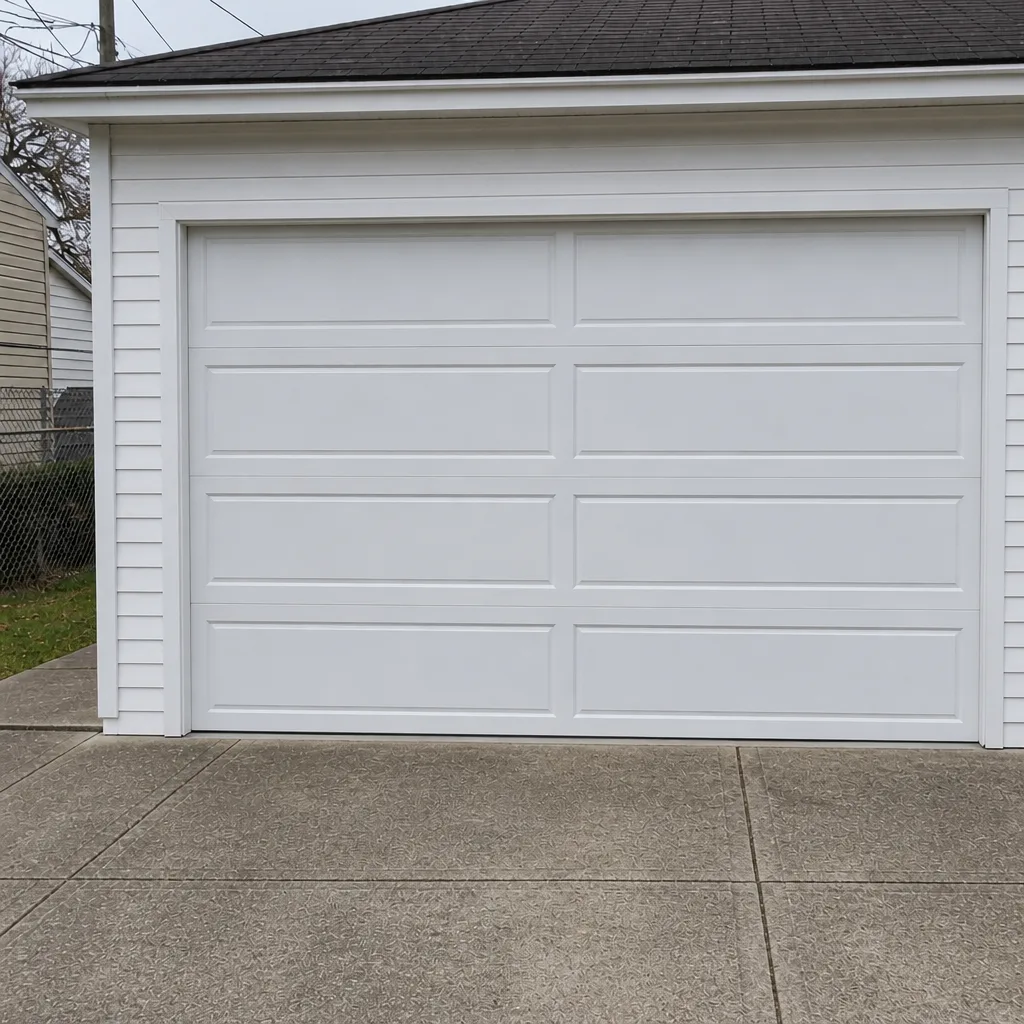
See the difference
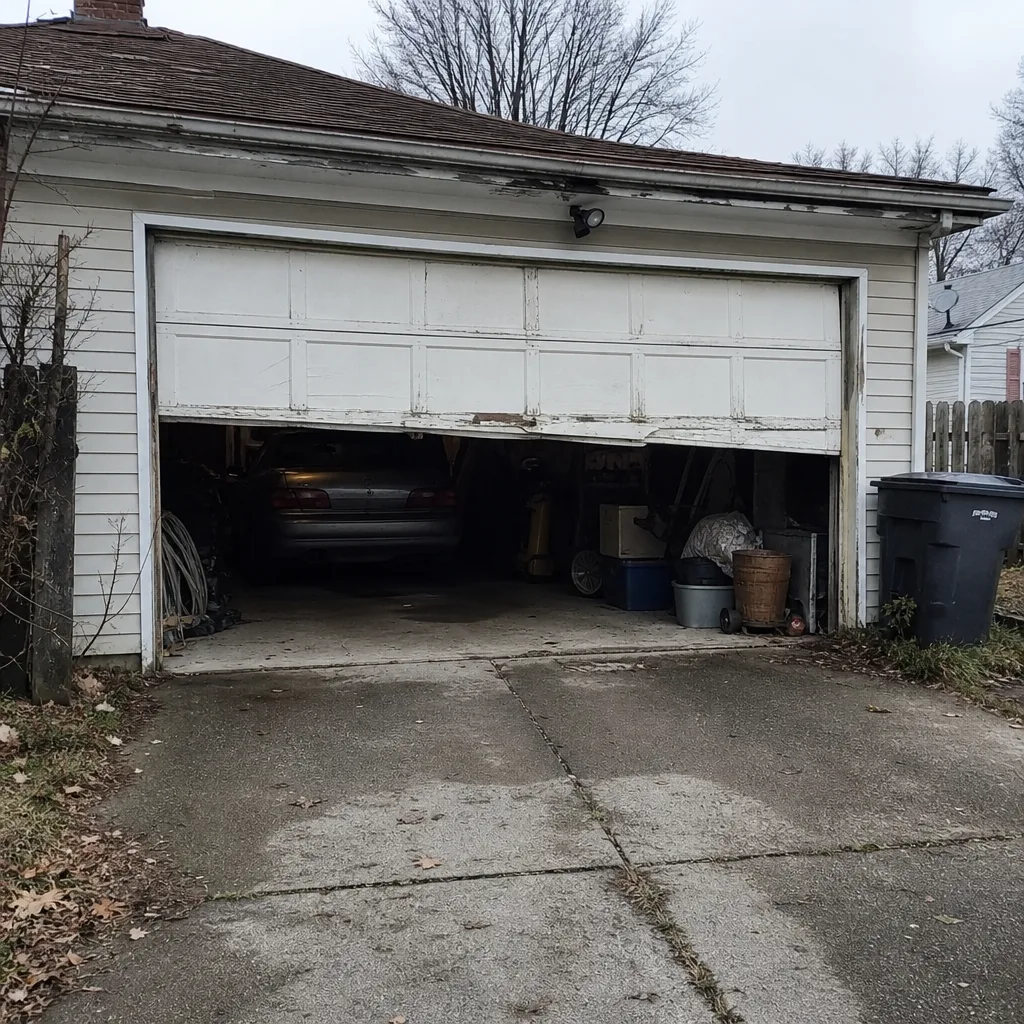 Before
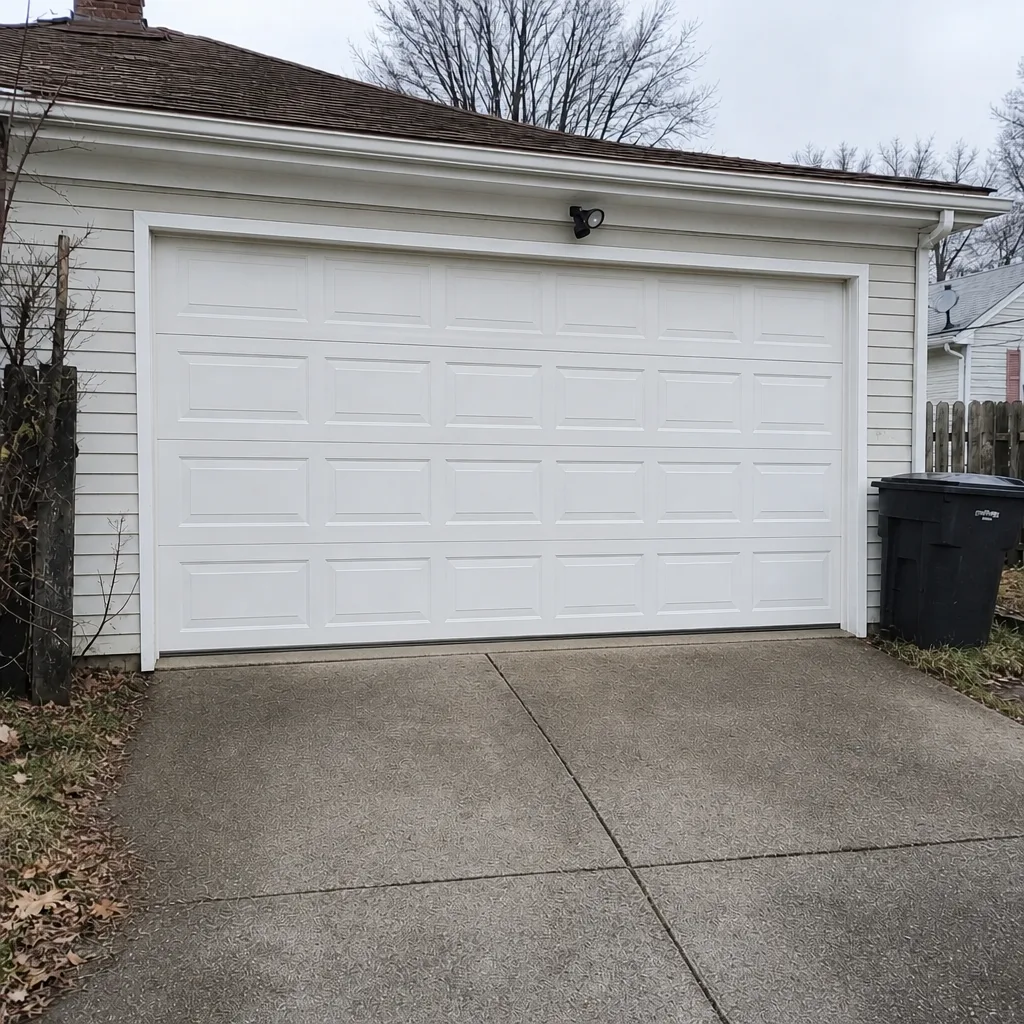 After
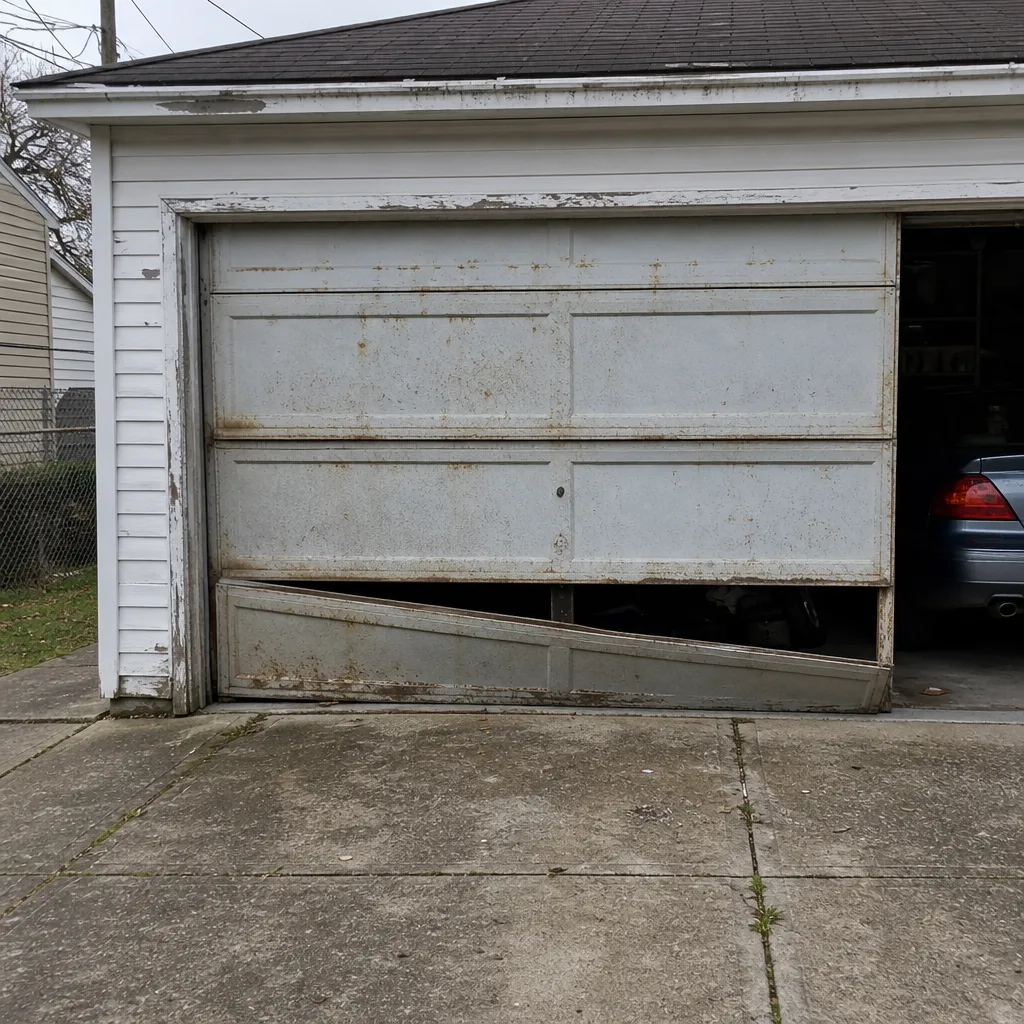 Before
 After
 Before
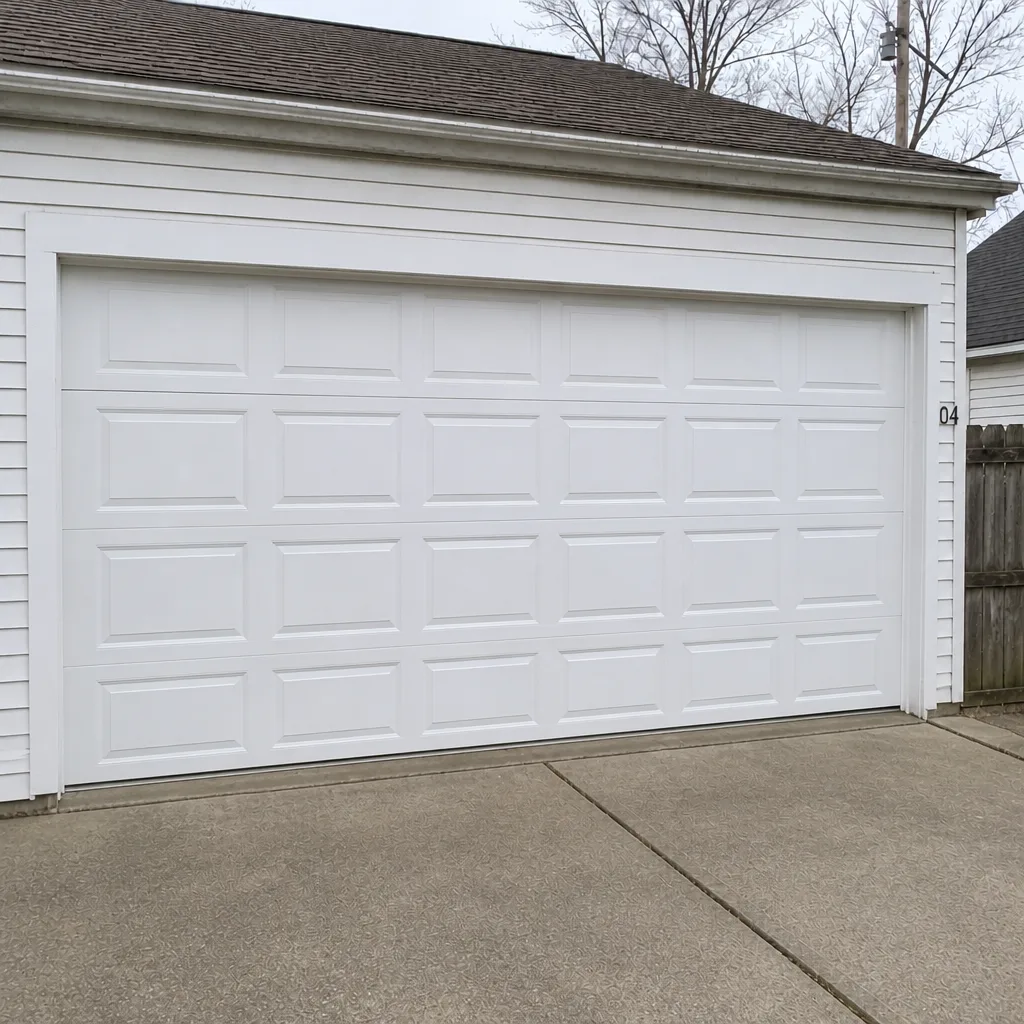 After
When to Call a Professional
Call when a warning has repeated for more than a couple of weeks, when the door fails the balance test, or any time you see a cable problem, a bowed panel, or a door hanging crooked. Call if your opener has begun to hesitate or reverse without explanation. Call if your car is trapped. Call if you’re not sure. Springs and cables are the one part of the door you should never try to repair yourself. Our technicians have up to 8 years of experience, and we work on the eight major door and opener brands: LiftMaster, Chamberlain, Genie, Clopay, Amarr, Wayne Dalton, Craftsman, and Raynor. Oakes Garage Door Repair offers free estimates in Lakewood. Call (844) 959-0082 and describe what you’re hearing or seeing. It’s a quick path to a real answer.
Frequently Asked Questions
A door that fails the 60-second balance test is the clearest early sign, followed by a bowing panel or a door that suddenly needs more effort to lift. The spring is losing tension well before it breaks, and the signs are visible if you know where to look. Call (844) 959-0082 for a free estimate if you’d like your own door checked.
Spring repair costs depend on the door’s size, spring type, and whether one or a matched pair is being replaced. A matched pair is usually replaced together, so budget for roughly double the cost of one spring. We give you a written estimate before any work starts, so you know the final number before we begin. Call (844) 959-0082 for a free estimate.
If your door is stuck, a spring has broken, or a cable is off its drum, that’s an emergency call. We handle emergency service as a core part of what we do, not a scheduled-only side. Call (844) 959-0082 and tell us exactly what you’re seeing. We’ll tell you what’s likely happening and what to expect.
A door that sticks only in cold weather usually has a worn bottom seal or a track that’s slightly out of alignment, not a temperature problem. The cold hardens the rubber and shrinks the metal enough to expose the issue, but the real cause is one of those two things. Call (844) 959-0082 for a free estimate and we’ll tell you which.
The written estimate is the price. We quote before work starts, and we don’t add charges after a job begins. If we find something during the work that wasn’t visible at the estimate, we stop and talk it through with you before doing anything. Call (844) 959-0082 for a free estimate.
The local professionals we connect you with are licensed and insured as their state requires, and our technicians have up to 8 years of experience with every major brand. Our single-trade focus means every visit is handled by a garage door specialist, not a generalist. Call (844) 959-0082 for a free estimate.
The Bottom Line
Most garage door failures announce themselves weeks in advance. A sound that changes, a panel that bows, an opener that hesitates, a door that fails the balance test: these are the early signals that matter. For Lakewood homeowners, the habit that prevents most emergencies is simple. Listen once a month, look once a quarter, and run the balance test twice a year. Fix small things before they compound. And never reach for a spring or a cable yourself. If anything in this guide hits close to home, call and describe it. Oakes Garage Door Repair offers free estimates in Lakewood. The call is the fastest way to know what you’re dealing with and what it will cost, before it becomes an emergency. Reach us at (844) 959-0082.
Written by the team at Oakes Garage Door Repair.