Last updated November 22, 2026
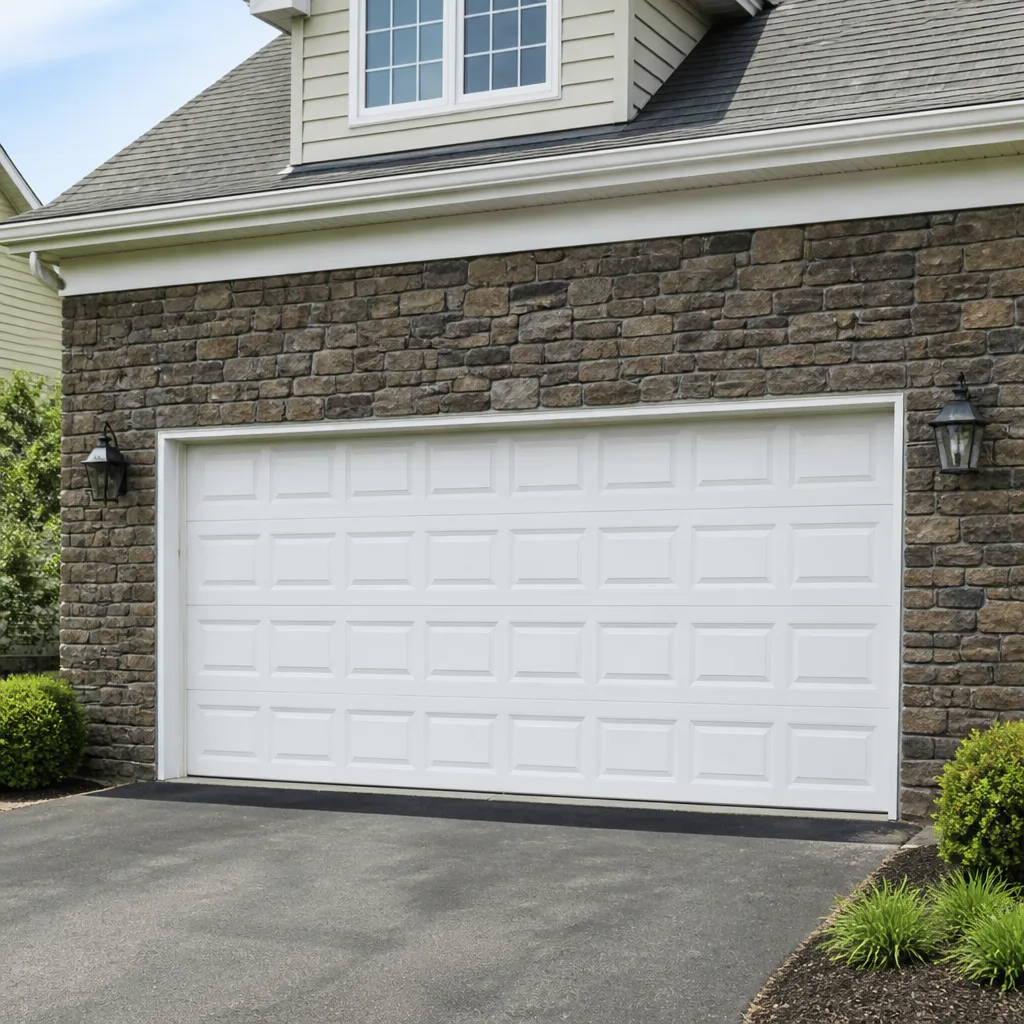 Raised-panel steel
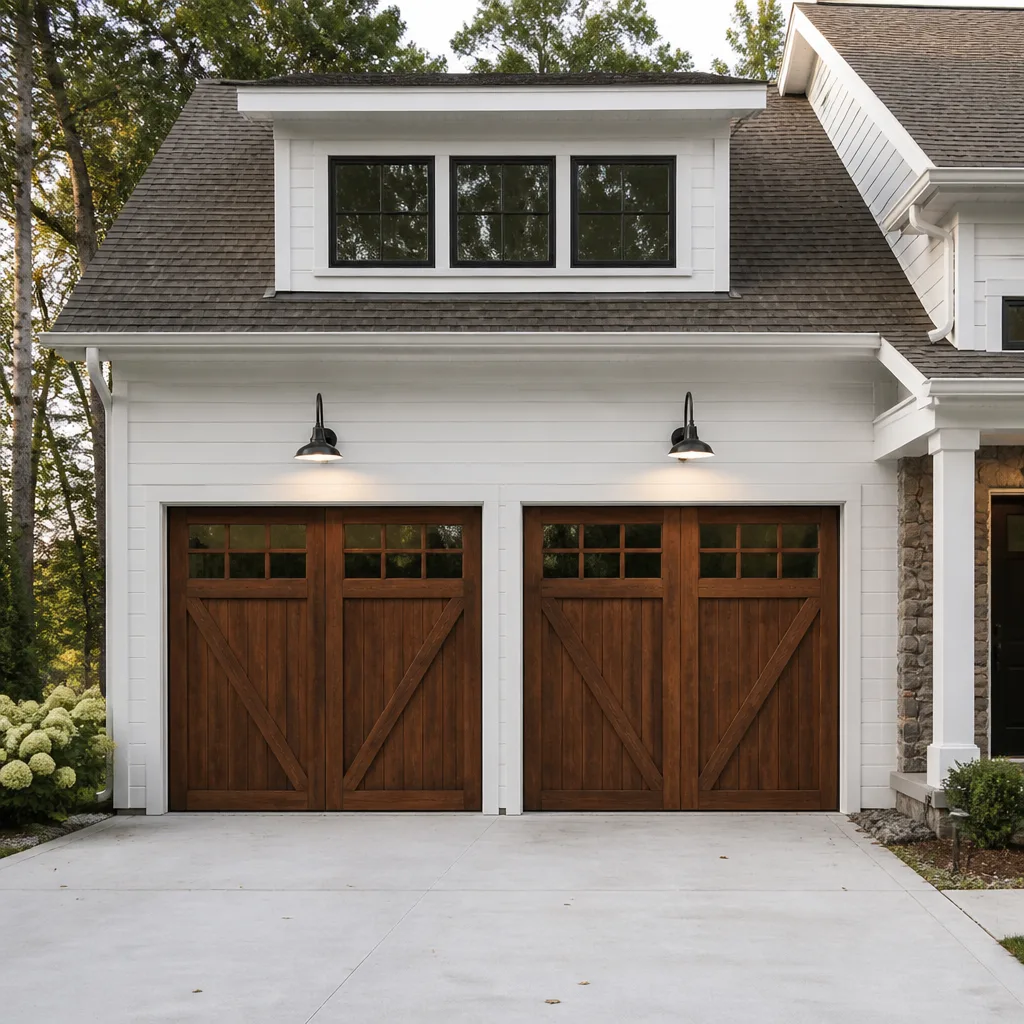 Carriage house
 Modern flush
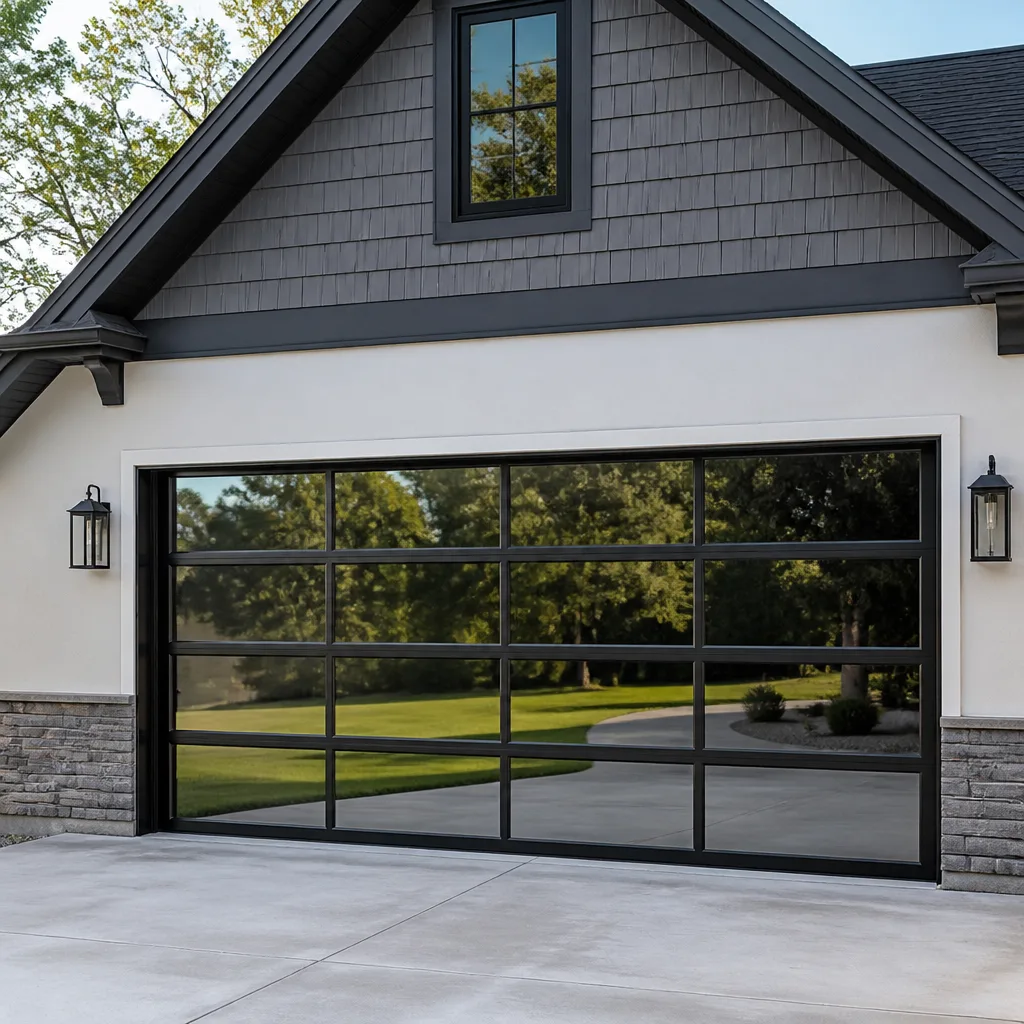 Full-view glass
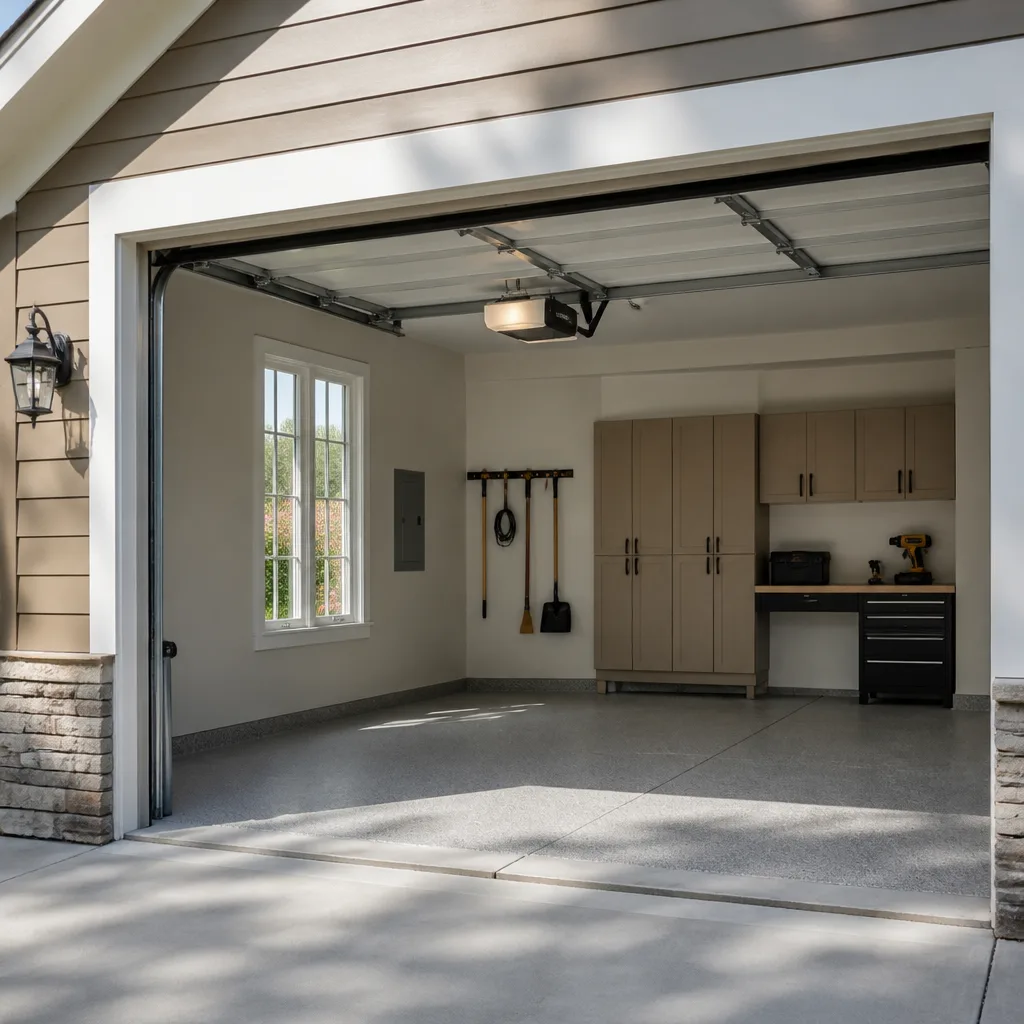 LiftMaster openers
 Chamberlain openers
Full 25-point door and opener safety check with every visit - springs, cables, rollers, tracks, and your LiftMaster or Chamberlain opener included
You get a price before we start. It does not change when the pro arrives.
Get your free estimateGarage Door Permits, Codes & Inspections in Lakewood, OH: What You Need to Know
Most Lakewood homeowners assume a garage door is cosmetic, so the paperwork can wait. That assumption is where trouble starts. A door is a moving structural assembly hung over the place where you park and often the place where you store things, and when a project changes its weight, its size, or the way it opens, the city may treat it very differently than a simple swap of one panel for another. This guide covers which projects need a permit in Lakewood, what an inspector actually looks at, what to do if work was already done without one, and how all of it connects to insurance and resale. We’ll keep it practical.
Quick Answer
In Lakewood, OH, a straight like-for-like garage door replacement usually does not require a permit, but any project that changes the door’s size, weight, material, or the type of opener and its wiring can trigger a permit and an inspection. Permit rules are set by the city’s building department, so the only definitive answer for your address comes from them. When a permit is required, the inspection focuses on structural attachment, spring and track safety, and the opener’s electrical work.
Styles & brands we work with
- Raised-panel steel
- Carriage house
- Modern flush
- Full-view glass
- LiftMaster openers
- Chamberlain openers
Table of Contents
- Which garage door projects trigger a Lakewood permit?
- How Ohio’s residential code meets Lakewood’s local rules
- What a Lakewood inspector actually checks
- The retroactive permit: what happens if work was already done
- How permit status affects insurance and resale
- Opener replacement and the electrical question
- How to prepare for a garage door inspection
- Common mistakes to avoid
Which garage door projects trigger a Lakewood permit?
The short version: like-for-like replacement usually doesn’t, and anything that changes the door’s physical profile or the electrical system around it usually does. “Like-for-like” means the same opening size, the same general door weight and construction, and no change to the opener circuit. A wood door swapped for an insulated steel door of the same size can read as a like-for-like replacement on paper, but if the new door is meaningfully heavier, the springs and hardware have to change with it, and that’s the point where a project can cross into permit territory.
Here’s how the split tends to fall in Lakewood:
- Usually no permit: replacing a single damaged panel, replacing rollers, hinges, cables, or springs with components matched to the existing door, or swapping an opener for one of the same type on the existing circuit.
- Often needs a permit: widening or heightening the opening, converting a manual door to an opener with new wiring, changing from a torsion to an extension spring system (or back), replacing a door with one of substantially different weight, or any structural change to the header, jambs, or tracks.
- Almost always needs a permit and inspection: new construction of a garage or an attached structure, or converting a carport into an enclosed garage. That’s a building permit question first and a door question second.
Lakewood has a lot of older housing stock, much of it built in the first half of the last century, and many garages behind those homes were built to dimensions and standards that don’t match a modern door’s weight. That’s the single biggest reason a project that sounds simple on the phone turns into a permit conversation. Before any work starts, a quick call to the city’s building department with your address and your door’s current size settles it. If you’re weighing a full replacement, our garage door repair team can measure and tell you what the project will actually involve. Replacement work is measured and scheduled, not same-day, so there’s always time to sort the paperwork before anything is ordered.
How Ohio’s residential code meets Lakewood’s local rules
Ohio adopts a statewide residential building code, and individual cities then administer it with their own amendments, permit thresholds, and inspection schedules. That means the code language you read online is the starting point, not the final answer. Lakewood’s building department is the authority that decides whether your specific project needs a permit, and their interpretation is the one that matters at inspection.
For garage structures specifically, the overlap usually shows up in a few places:
- Structural attachment. The code is concerned with how the door, tracks, and spring system are anchored to the framing. A door hung on compromised or undersized framing is a structural question, not a cosmetic one.
- Safety devices. An automatic opener is expected to have the safety features the code calls for, typically including an entrapment-protection feature and, where required, a photo-eye system.
- Electrical work. New or altered wiring for an opener is electrical work and may need its own permit separate from the building permit. This trips people up more than anything else.
- Setbacks and lot coverage. Adding a garage, widening one, or enclosing a carport can affect lot coverage rules, which Lakewood enforces at the zoning counter before a building permit is even issued.
We’ve learned not to guess on any of this. Our technicians have up to 8 years of experience with doors and openers, and we still tell every Lakewood customer the same thing: the city’s building department gives the ruling, and we build to it. If you’re working through a spring or hardware issue before a project, garage door spring repair is a good place to start, since springs are almost always matched to the door’s actual weight.
What a Lakewood inspector actually checks
A garage door inspection in Lakewood isn’t a test of whether the door looks nice. It’s a safety and structural check, and knowing what an inspector looks at makes the visit predictable. Expect the inspector to operate the door and watch it move, then look closely at the hardware that holds it up.
- Door operation: the door should open and close smoothly, without binding, and should stay put when stopped partway in either direction.
- Springs and cables: correct spring type and size for the door’s weight, cables intact and properly wound on the drums, and no signs that the system has been modified with mismatched parts.
- Tracks and rollers: tracks plumb and securely fastened, rollers seated, and no loose or missing fasteners.
- Attachment to framing: the spring anchor plate, tracks, and opener rail all need solid, code-compliant anchorage.
- Opener safety: the entrapment-protection feature and photo eyes, where required, tested for correct function.
- Electrical: the opener circuit, disconnect, and wiring as permitted and installed.
In our experience across Lakewood neighborhoods, the failures we hear about most are attachment and opener-safety related, not cosmetic. A door that operates fine but is anchored to soft or undersized framing can still fail an inspection, and that’s the outcome you want to catch before the final walkthrough, not after. Modern openers from LiftMaster and Chamberlain build in the safety features inspectors look for, but they still have to be installed and tested correctly. If you think your opener is the weak point, our garage door opener repair team can check it before an inspection.
The retroactive permit: what happens if work was already done
If a door or opener was installed without a permit and the project actually required one, the fix is a retroactive permit. Many cities, Lakewood included among them, allow a homeowner to apply after the fact, but the process is more involved than getting a permit up front. It usually starts with an application that describes the existing work, a fee based on the type of project, and a plan review. Then an inspector evaluates what’s already installed against current code, not against the code in effect when the work was done.
That last part is the expensive one. If the installed door or opener doesn’t meet current requirements, the inspector can require corrections before the permit is finalized. Those corrections might mean new hardware, a different spring setup, added safety devices, or in the worst case, replacing the door. We’ve seen retroactive permits work out fine when the installed work was solid and just undocumented, and we’ve seen them turn into significant projects when the original installation cut corners.
- Confirm a permit was actually required. Call the city’s building department with your address and the details of the work. Sometimes it wasn’t required, and you’re done.
- Gather your documentation. Receipts, the installer’s description of the work, the door’s specifications and weight, and any electrical records help the reviewer understand what’s installed.
- Apply for the retroactive permit and pay the associated fee.
- Prepare for the inspection. Expect the same structural and safety checks as a new install.
- Correct anything the inspector flags, then get the permit finalized. Keep the signed-off paperwork with your home records.
The timeline depends on how busy the city is and whether corrections are needed, so we don’t quote a number of days. The cost is the permit fee plus any correction work. The earlier you start, the more flexibility you have before a sale or an insurance conversation forces the issue.
How permit status affects insurance and resale
This is the section worth reading twice. An unpermitted garage door modification can create a real problem when you sell your Lakewood home. Most purchase contracts include a disclosure section, and an unpermitted modification has to be disclosed. A buyer who finds out post-inspection can renegotiate, walk away, or ask you to pull the permit on their timeline at your expense. That’s a worse position than pulling the permit before listing.
On the insurance side, the concern is claim investigation. If a door-related injury or property damage happens and the insurer looks at the installation, an unpermitted alteration can complicate the claim. We’re not your insurer and can’t tell you how a specific claim would resolve, but we can tell you that documentation helps. A finaled permit and an inspection record are exactly the kind of evidence that supports a claim rather than inviting questions. A well-documented, unmodified door is also easier to repair because the hardware matches the door it was designed for.
Two practical habits pay off here:
- Keep the permit, inspection, and finaled paperwork with the door’s installation records, along with the opener model and the door’s specifications. If you ever move, hand it to the buyer.
- Before listing a Lakewood home with a recent garage project, check with the building department to confirm whether a permit was on file. It’s a five-minute call that can save a five-figure negotiation.
Opener replacement and the electrical question
Swapping an opener for one of the same type on the existing circuit is usually treated as a repair, while running new wiring or adding a circuit for an opener generally needs an electrical permit. That distinction matters because the door and the electrical system can be separate permits, separate inspections, and separate sign-offs. If you’re upgrading from a manual door to an automatic one, plan on the electrical side being part of the project.
Modern openers bring more features than the old units they replace, and those features mean more wiring. Photo eyes need a pair of low-voltage runs along the tracks. A wall control or keypad means new low-voltage cable. Battery backup, a common feature on current LiftMaster and Chamberlain models, doesn’t change the electrical requirements, but it does change the opener’s footprint and mounting. Smart features and Wi-Fi connectivity don’t usually affect the permit question, but a new outlet or a dedicated circuit does.
If you’re considering an opener with new wiring, we can look at your setup and tell you which parts of the job are electrical work for a licensed electrician and which are ours. The permit rules still come from the city, and the electrician handles their own permit. When in doubt, our garage door opener repair evaluation includes a look at the wiring the opener needs on your existing circuit. We work on Genie and Chamberlain units, among others, so we’re familiar with how the newer designs mount and wire up.
How to prepare for a garage door inspection
A garage door inspection goes easier if you clear access and know what’s been done to the door. The inspector needs to see the tracks, the spring system, the opener rail, and the framing at each attachment point, so it pays to have the area around the door open and uncluttered. Have your permit paperwork, the door’s specifications, and the opener’s documentation handy.
- Clear the garage floor and the area around the door. Move vehicles, storage, and anything blocking the tracks or the spring assembly.
- Locate the permit and paperwork. The approved plans, the permit card, and the door and opener specifications should be together.
- Note any modifications since installation. If the door was adjusted, a spring replaced, or a safety device added after the install, mention it to the inspector up front.
- Test the door yourself first. Operate it fully, and test the opener’s entrapment protection feature. If you see (or hear) a problem, it’s better to fix it than to have the inspector find it.
- Know who’s responsible for which correction. If a correction is required, note whether it’s door work, electrical work, or structural framing work so it gets routed to the right trade.
Springs, cables, and tracks aren’t things to inspect by hand beyond a visual look. Torsion springs are under extreme tension, and a cable that’s come loose can whip. If you see a broken spring or a sagging cable, stop operating the door and have a trained professional handle it. Our guide and service for garage door spring repair covers how we approach that safely, and our Oakes Garage Door Repair team is who to call for the rest, including full installation and emergency service.
Common Mistakes to Avoid
- Assuming every door replacement is cosmetic. A door that changes the door’s weight or the opening size is not cosmetic, and even same-size replacements can cross into permit territory. Call the building department with the actual specifications before ordering.
- Skipping the electrical permit because the opener came with one. The building permit and the electrical permit are separate, and even a straightforward opener swap can need both. Ask the permit counter about both, not just the building permit.
- Letting a general handyman do an installation that needs an inspection. Lakewood’s inspections are detailed, and a handyman’s install that fails inspection is your problem to fix. Work with a specialist whose work has passed inspections before.
- Discarding the permit paperwork after the final sign-off. The finaled permit and inspection record are the documents a buyer and an insurer will ask for. Keep them with your home records.
- Mixing old and new spring hardware on a replaced door. A door that was replaced but still uses springs sized for the old door is exactly what inspectors look for. Springs should be matched to the door’s actual weight.
- Only addressing the permit when the sale is already in progress. An unpermitted modification discovered during a sale is a negotiation in the seller’s worst position. Sort it out before listing.
- Forgetting the track and framing. Lakewood’s older garages often have framing that doesn’t suit a modern door’s loads. Inspectors check attachment, and a beautiful door on soft framing isn’t done.
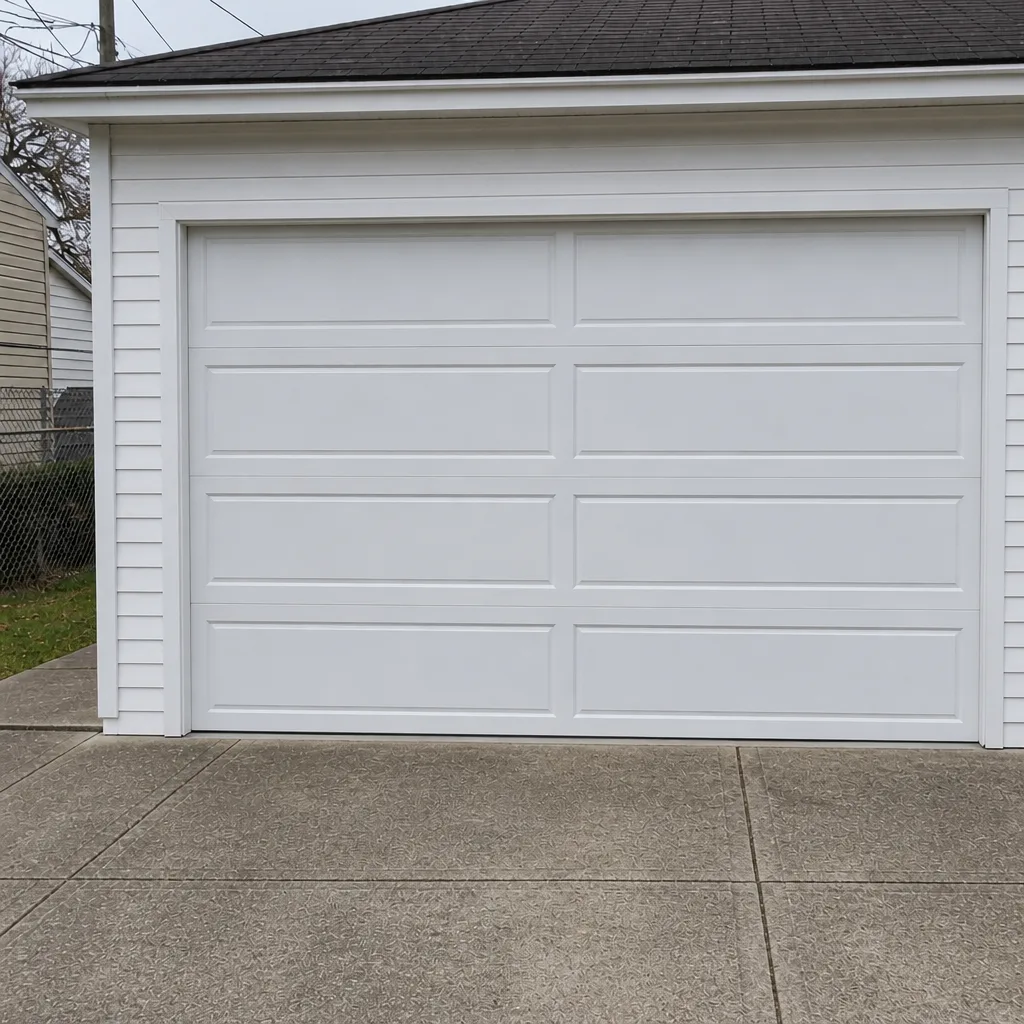
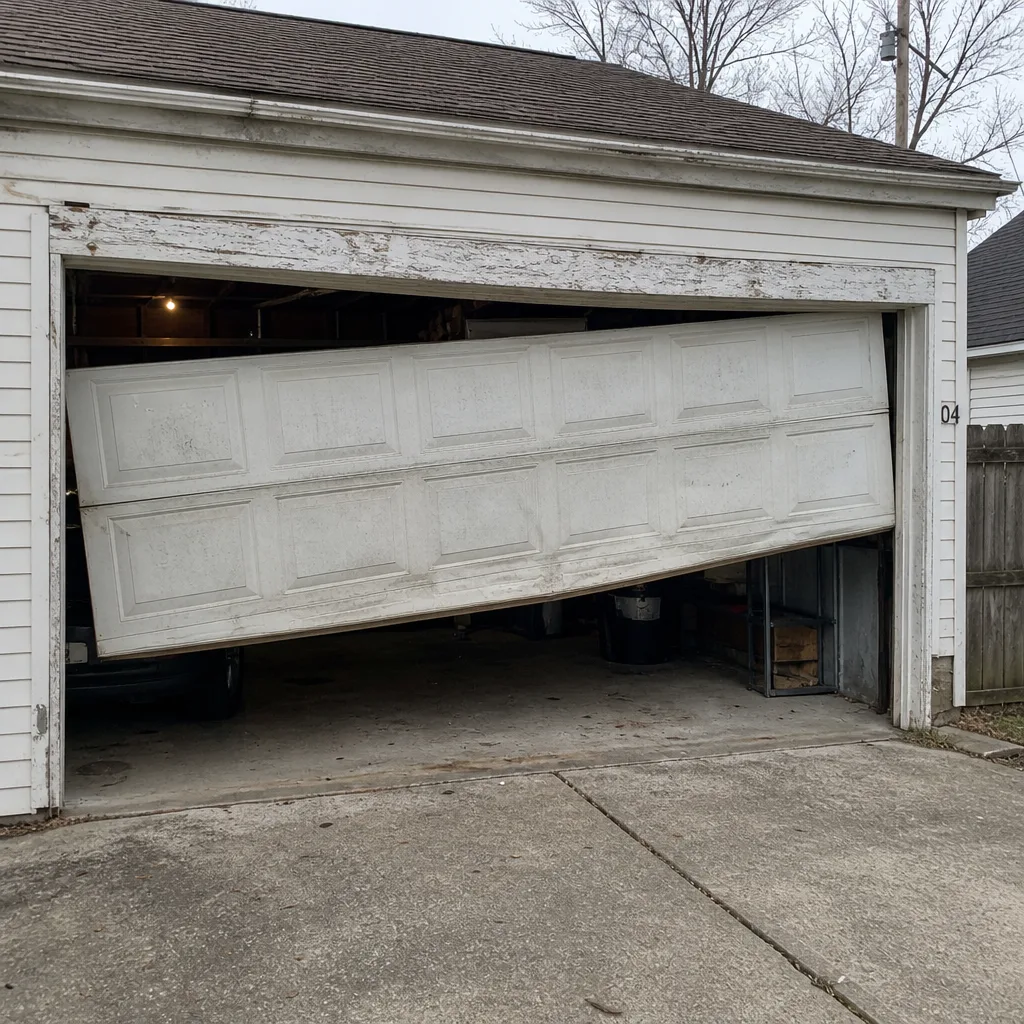
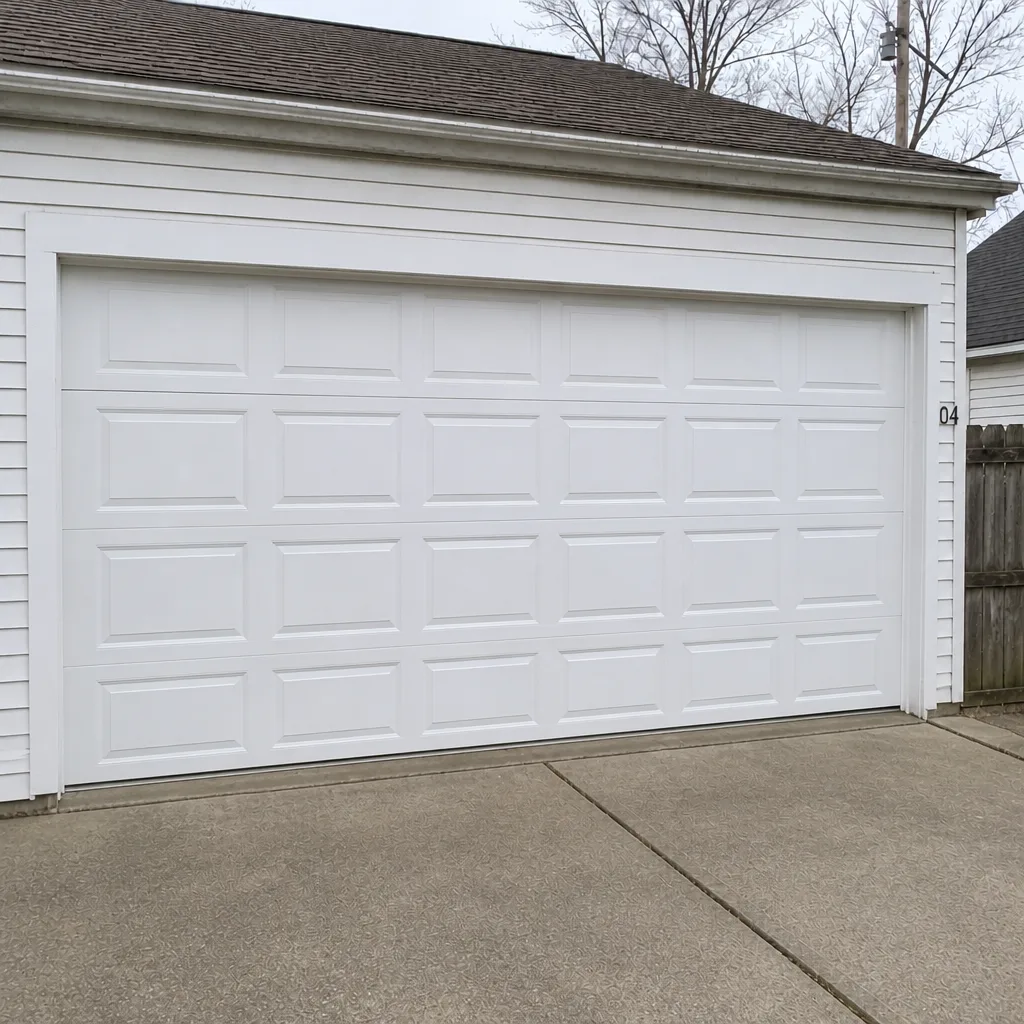
See the difference
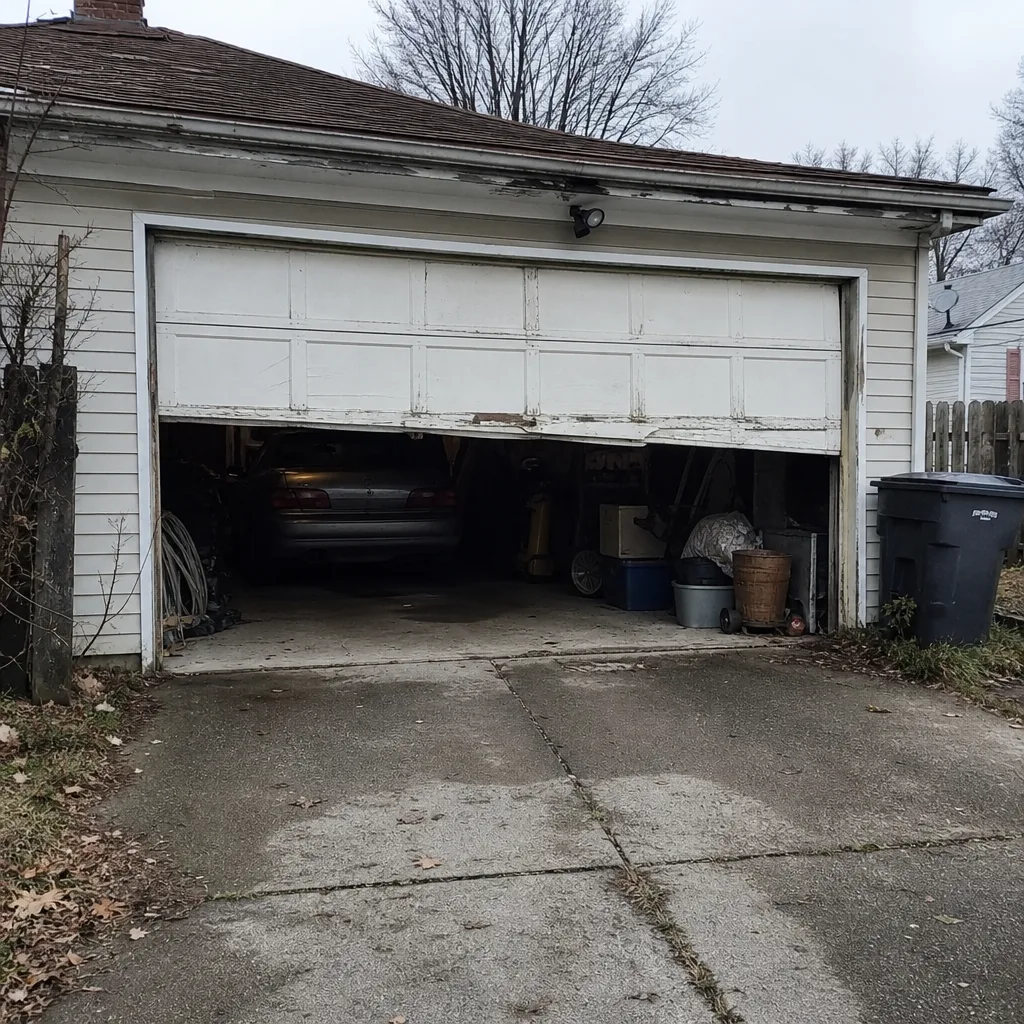 Before
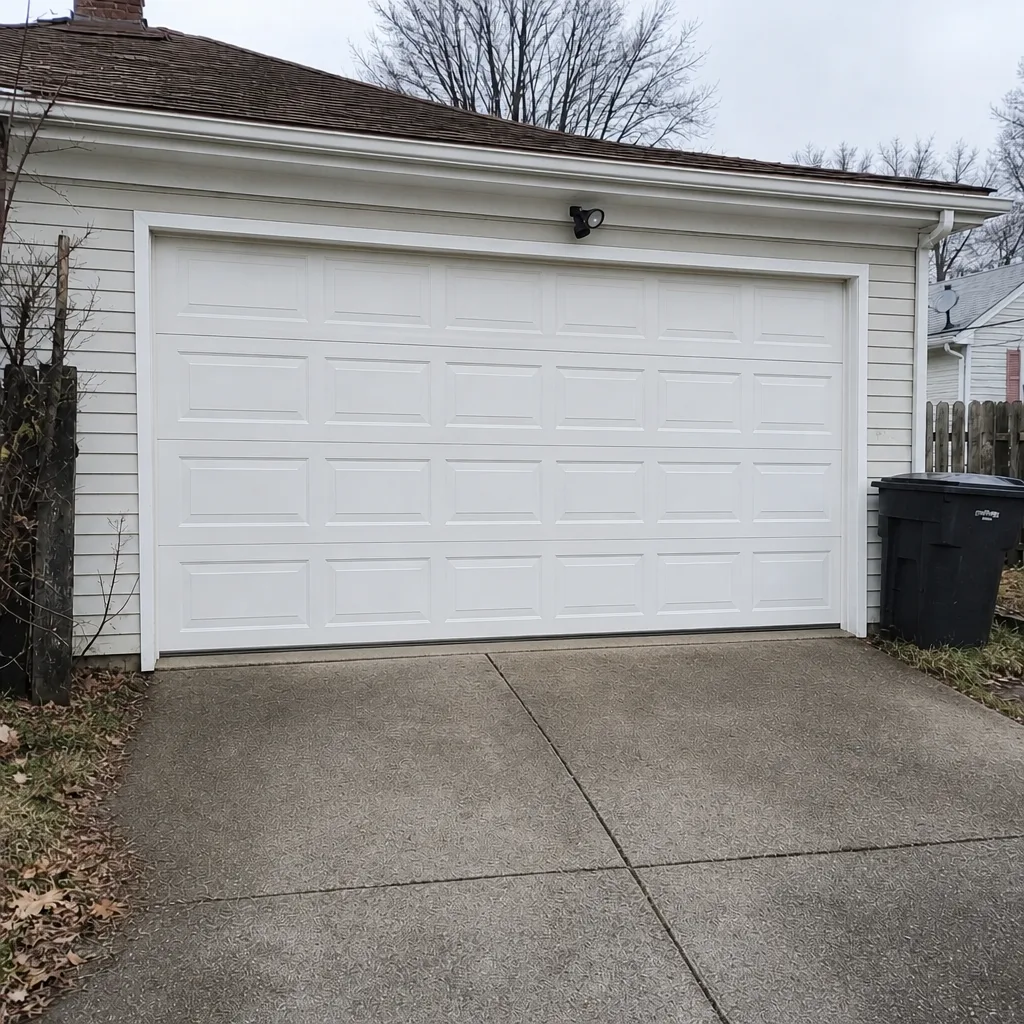 After
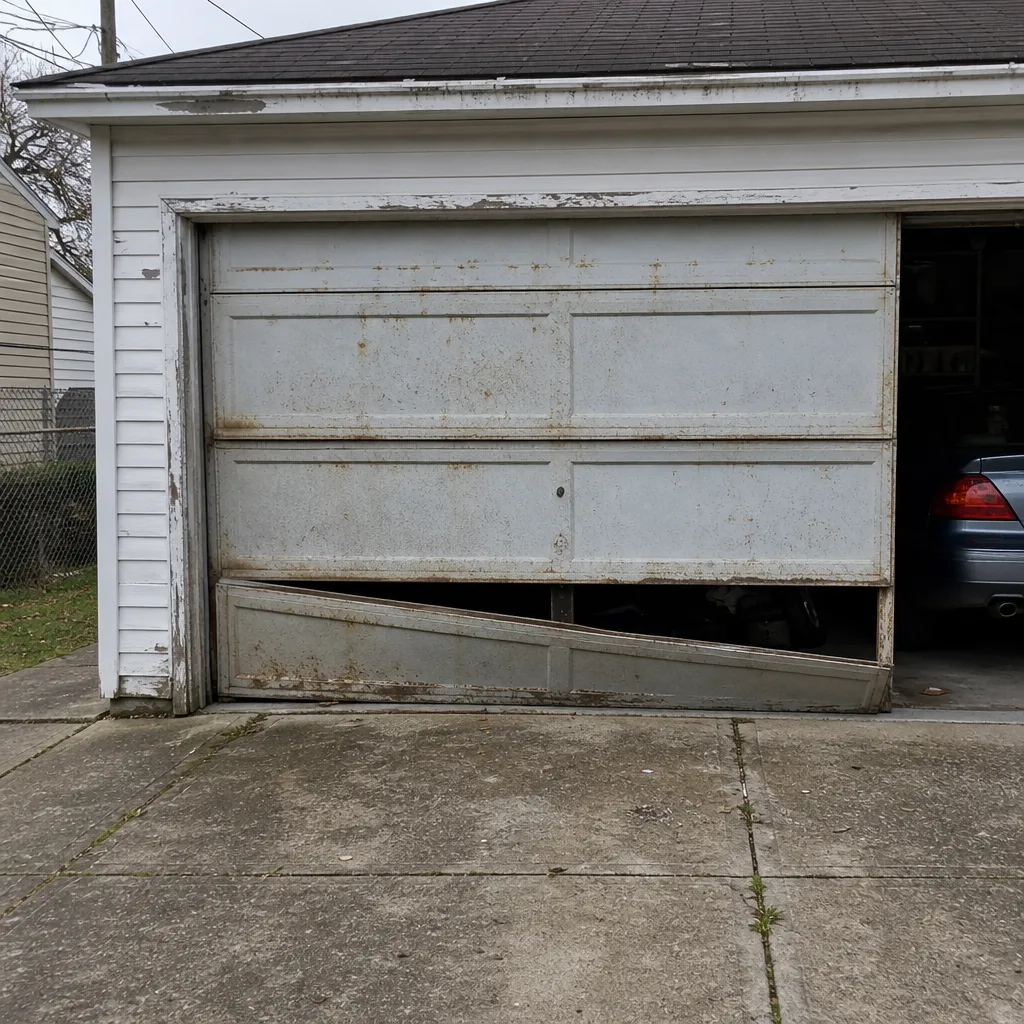 Before
 After
 Before
 After
When to Call a Professional
Call a professional when the work involves springs, cables, tracks, the opener circuit, or the framing the door hangs on. Those are the parts of a garage door system where a mistake means more than a cosmetic defect: a torsion spring under tension, a cable that’s come off its drum, an opener wired to a circuit that isn’t right, or tracks anchored to framing that isn’t solid. Call before you order a new door if the opening’s dimensions or the door’s weight are changing, so the permit question gets sorted out before the door is on its way. Call before an inspection if you’re unsure your door will pass. Oakes Garage Door Repair offers free estimates in Lakewood: call (844) 959-0082 for a free estimate. You’ll get a written price before any work starts, and the price on the estimate is the price on the invoice.
Frequently Asked Questions
Probably not for a like-for-like replacement, and probably yes if the door’s size, weight, material, or opener type changes. The building department makes the call for your address, so confirm with them using your door’s exact specifications before ordering. Call (844) 959-0082 for a free estimate, and we can measure and walk through the project with you.
Permit fees are set by the city and depend on the type of project, so we don’t quote a number. The building permit and any electrical permit are separate fees. The city’s building department can give you the current fee schedule for your project. Call (844) 959-0082 for an estimate on the work itself – estimates are free.
You can usually apply for a retroactive permit, which involves an application, a fee, and an inspection against current code. If the installed work doesn’t meet current requirements, the inspector can require corrections before the permit is finalized. It’s best to sort it out before a home sale or an insurance claim makes it urgent. Call (844) 959-0082 to have us look at the installation first.
It adds a paperwork step, not a long delay, and replacement work is scheduled in advance anyway. Getting the permit question answered before ordering the door keeps the order and the installation from getting tangled up later. Call (844) 959-0082 for a free measure and a written price.
Repair work like a broken spring is often same-day, since a door that won’t open is urgent. We can’t promise a specific arrival time, but emergency service is a core part of what we do and we’ll tell you what’s available. Call (844) 959-0082 and we’ll get a technician out to look at it.
The written estimate is the price, and anything we’d charge for is quoted and agreed before work starts. If we find something during the job that wasn’t visible at the estimate, we’ll show you and get your approval before doing it. Call (844) 959-0082 for a free estimate.
We connect Lakewood homeowners with independent local professionals, and the local pro is licensed and insured as their state requires. We’re certified to work on eight of the most common garage door and opener brands, including LiftMaster, Chamberlain, Genie, Clopay, Amarr, Wayne Dalton, Craftsman, and Raynor. Call (844) 959-0082 with any questions before booking.
Usually yes, because the opener needs a circuit and the wiring is electrical work that may need its own permit. The garage door side is separate from the electrical side, and both are worth confirming with the city before work starts. Call (844) 959-0082 to talk through the opener options for your door.
The Bottom Line
Garage door permits in Lakewood come down to a simple distinction: like-for-like replacement usually doesn’t need one, and anything that changes the door’s weight, size, material, or the electrical system around it usually does. The city’s building department is the authority, and a five-minute call with your door’s specifications saves the kind of headache that shows up during a home sale. Keep your paperwork, match your springs to your door’s actual weight, and treat the electrical side as its own permit question. If you’d rather have someone who does this every day look at your setup first, our team is here. Call (844) 959-0082 for a free estimate, and we’ll help you sort out what your project actually needs.
Written by the team at Oakes Garage Door Repair.