Last updated November 22, 2026
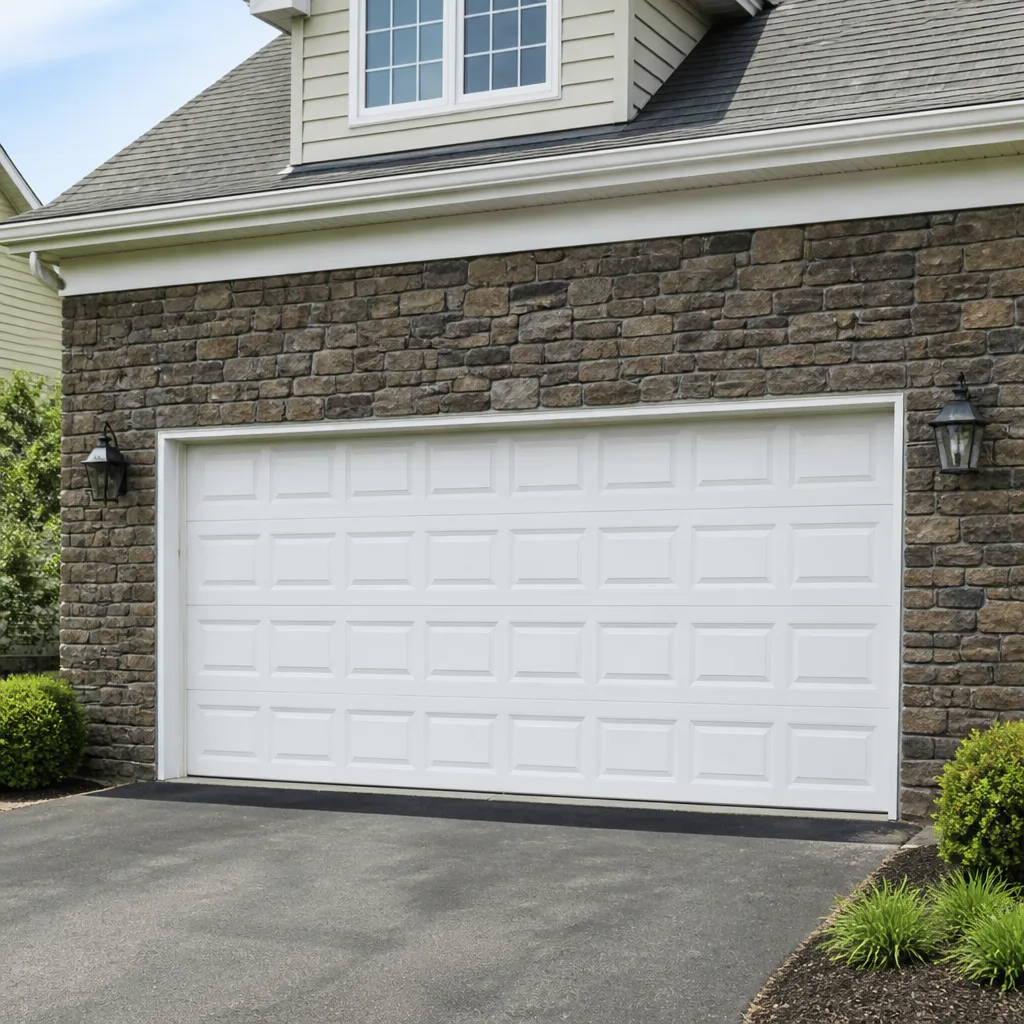 Raised-panel steel
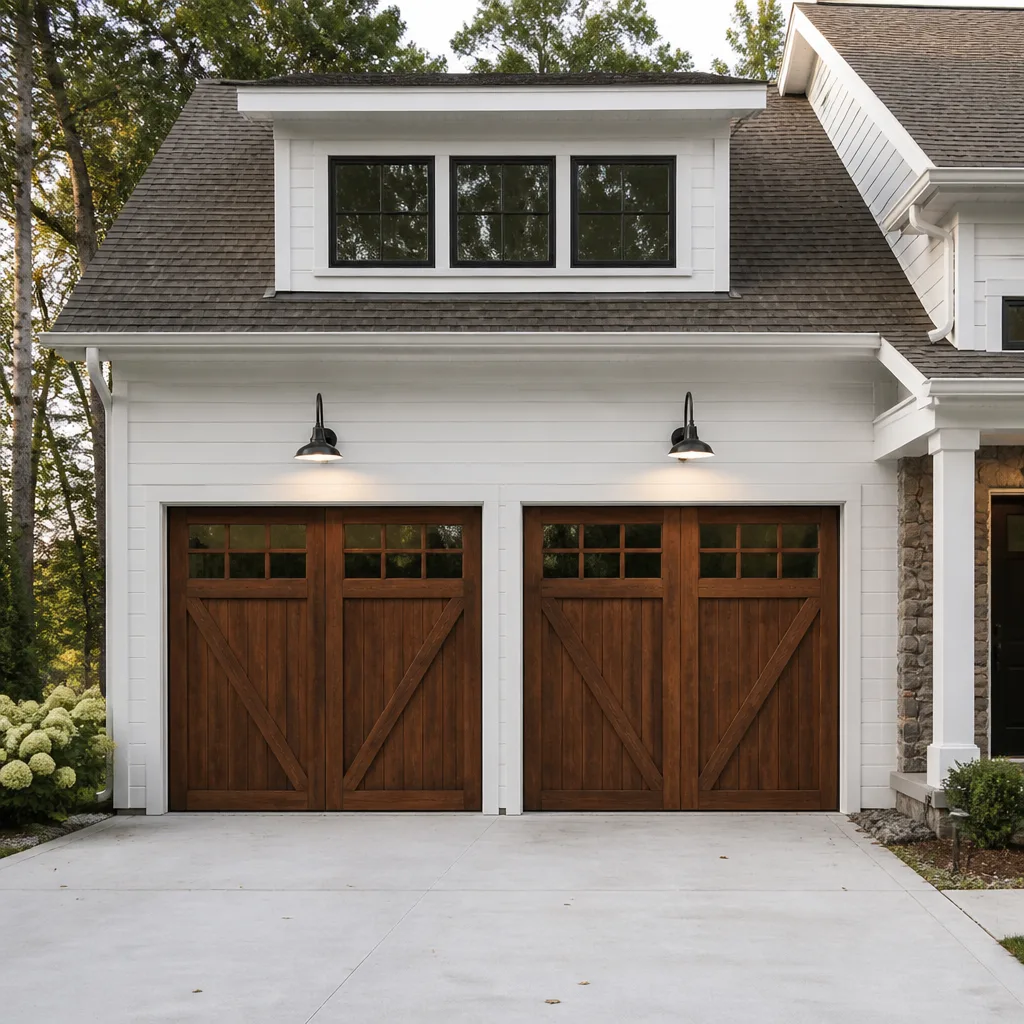 Carriage house
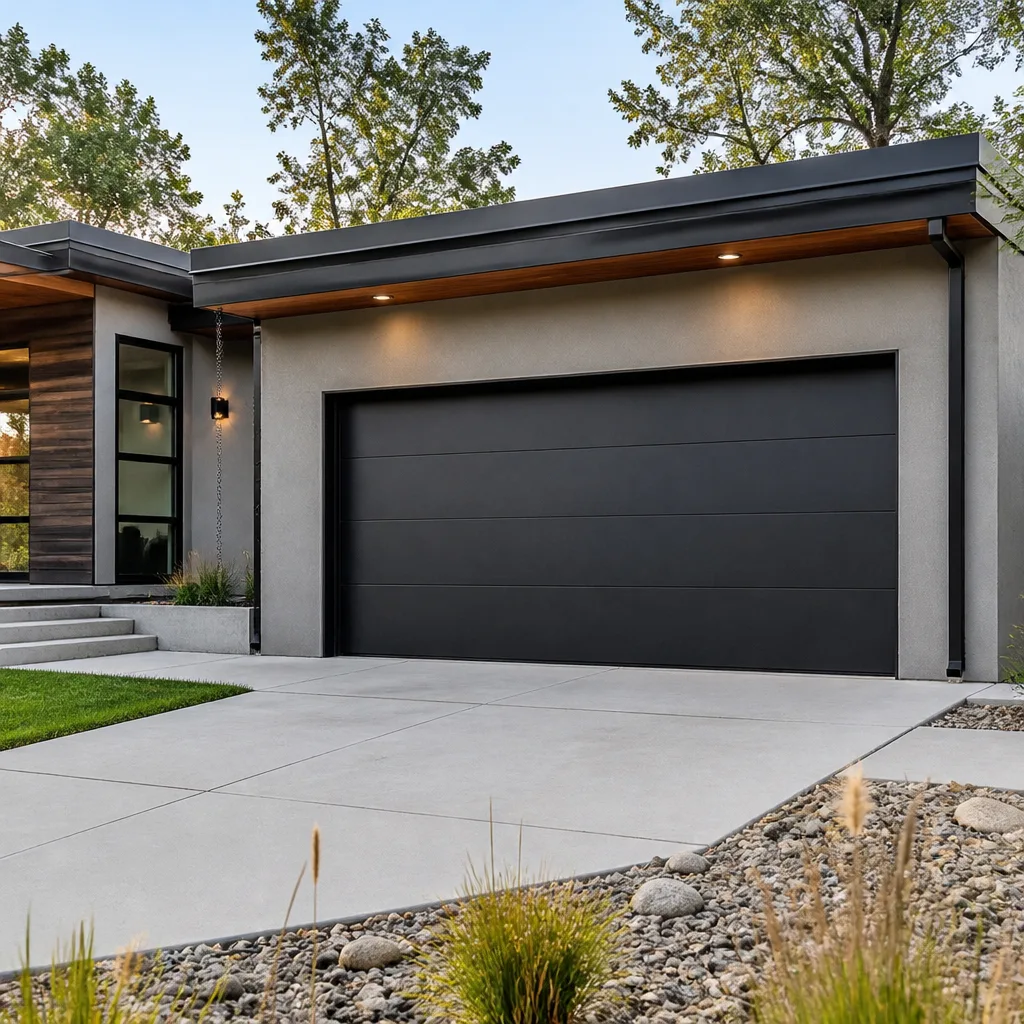 Modern flush
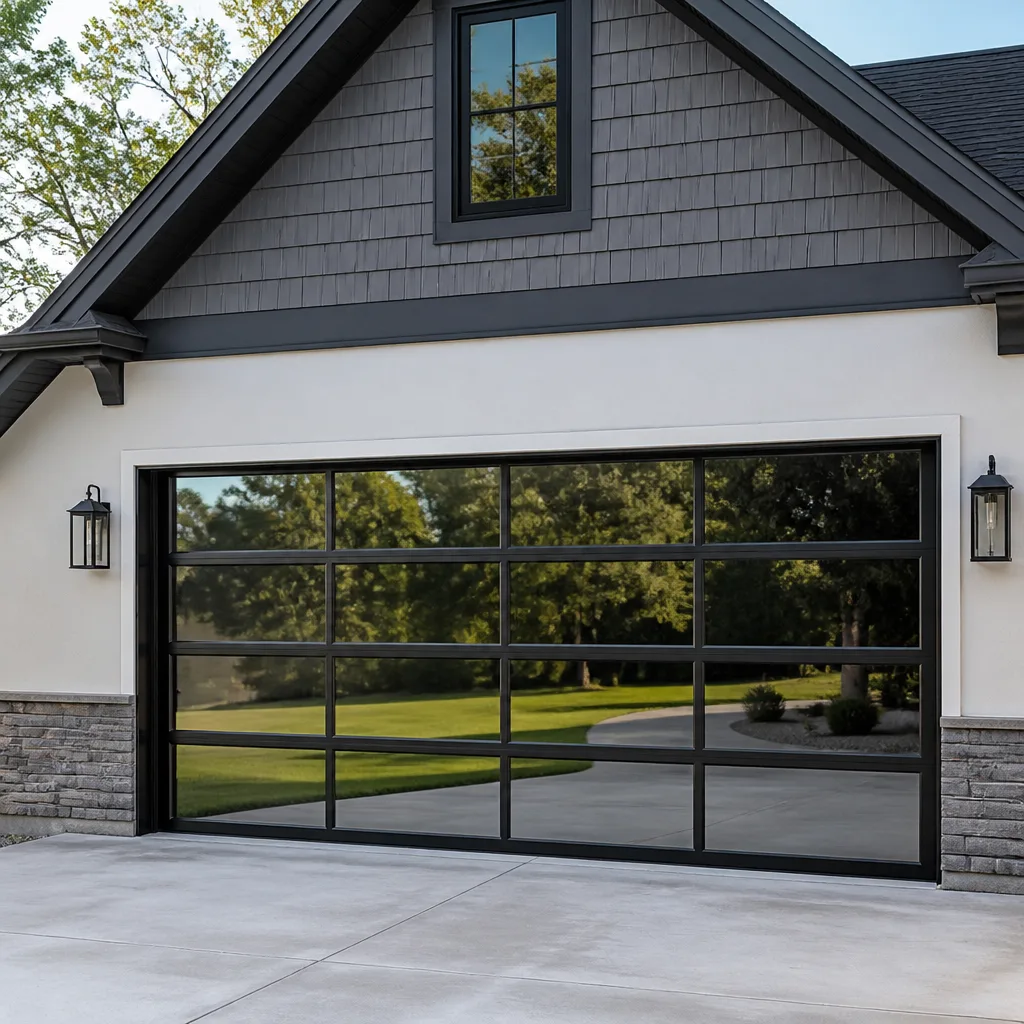 Full-view glass
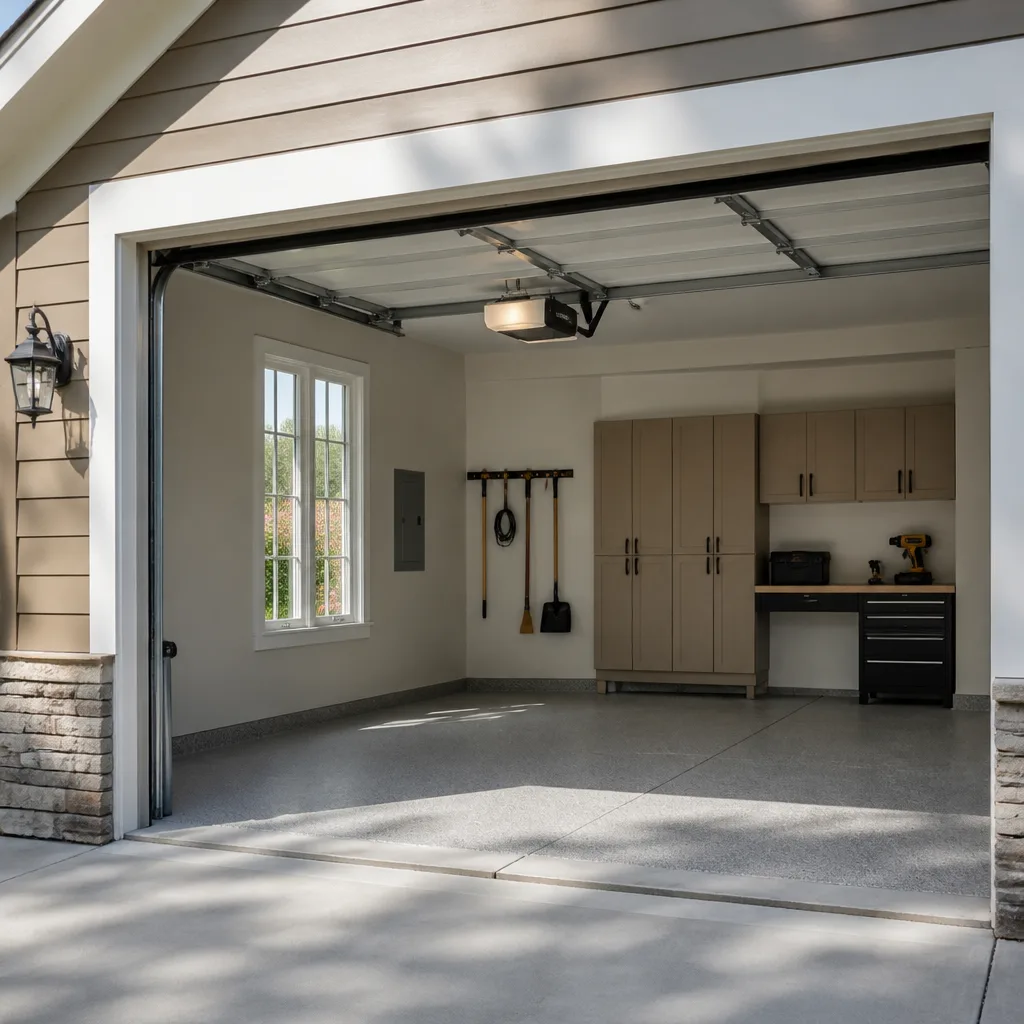 LiftMaster openers
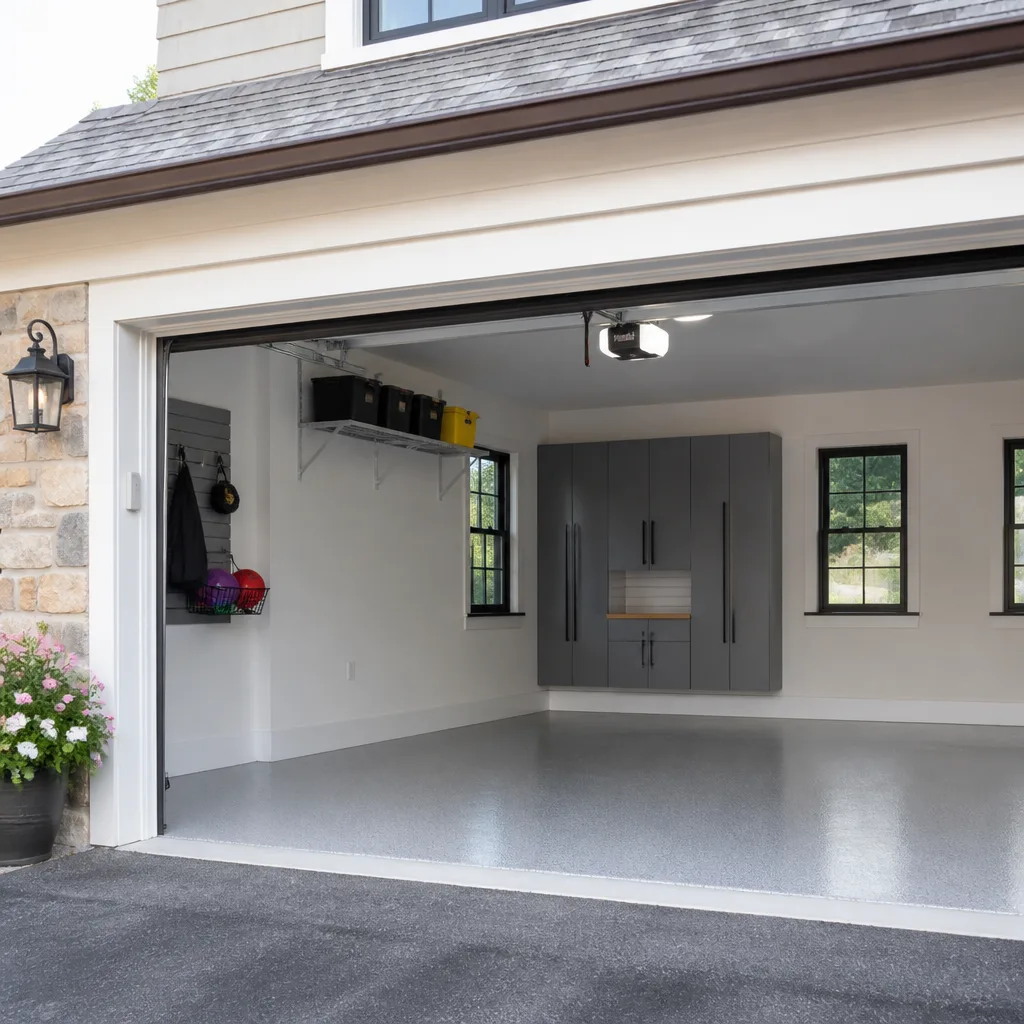 Chamberlain openers
Full 25-point door and opener safety check with every visit - springs, cables, rollers, tracks, and your LiftMaster or Chamberlain opener included
You get a price before we start. It does not change when the pro arrives.
Get your free estimateGarage Door Cost Breakdown: The Lakewood Homeowner’s Reference for 2026
Two quotes for the same garage door land on your kitchen table: $800 and $2,400. They can’t both be real, so one of them is missing something. Usually it’s not the door. It’s the labor, the haul-away, the permit, the electrical work, or a header that was never mentioned. This guide breaks down every line item a real Lakewood estimate should include in 2026, explains why the area’s older detached garages carry costs that flat price ranges never show, and gives you a way to compare three installers and one genuine specialist without guesswork. By the end, you’ll know which quote is thin and why.
Quick Answer
A standard single-car garage door installation in Lakewood typically runs $900 to $1,800 for the door itself plus $400 to $900 in labor, with openers adding $350 to $700 and permits and haul-away adding another $100 to $250. A full replacement with an opener commonly lands between $1,900 and $3,200, while a spring repair stays in the $180 to $340 range for one spring and $360 to $680 for a matched pair. The written estimate you receive after a measure sets the final price, and it should itemize every one of those lines before any work starts.
Styles & brands we work with
- Raised-panel steel
- Carriage house
- Modern flush
- Full-view glass
- LiftMaster openers
- Chamberlain openers
Table of Contents
- Line-Item Cost Breakdown for a Lakewood Installation
- Hidden Costs in Lakewood’s Older Garages
- Steel, Wood Composite, or Aluminum in a Lake Erie Climate
- Do You Need an Insulated Door in Lakewood?
- Installer vs. Specialist Labor Rates
- Repair Costs and the Cost of Waiting
- Opener Systems: What They Actually Cost
- How to Compare Three Estimates Line by Line
Line-Item Cost Breakdown for a Lakewood Installation
Every garage door replacement is really five or six separate purchases bundled into one invoice. When a quote gives you a single number with no breakdown, you have no way to tell whether the installer priced a $700 door or a $1,200 one, and no way to know what happens if the frame turns out to be soft. Ask for the lines separately. Here’s what a fair estimate in the Lakewood market looks like in 2026:
- Garage door (single-car, non-insulated steel): $900 to $1,300
- Garage door (single-car, insulated steel): $1,100 to $1,800
- Garage door (double-car, insulated steel): $1,700 to $2,800
- Wood composite or carriage-style door: $2,000 to $4,500 depending on size and window configuration
- Installation labor: $400 to $900, higher when the old track and hardware are removed and replaced
- Opener (chain or belt drive, professionally installed): $350 to $700
- Old door and hardware haul-away: $75 to $150
- Permit: $75 to $200, depending on what the city’s building department requires for your structure
Add those ranges up for a typical single-car replacement with a new opener and you get $1,900 to $3,200. That’s the number most Lakewood homeowners actually spend after the measure. A quote well below it either omits the opener, skips the permit, or assumes the existing frame and wiring need no attention. A quote well above it may be padding labor or bundling features you didn’t ask for. Neither is automatically wrong, but the absent line item always tells you something.
One quick note on scope: if your door is failing rather than being replaced, the relevant numbers live on our garage door repair page, which covers what a service call actually includes.
Hidden Costs in Lakewood’s Older Garages
Lakewood’s housing stock includes a large share of detached and semi-detached garages built decades ago, and those structures carry costs that modern suburban installs never see. A door installer who measures the opening and stops there will hand you a clean quote and then discover the real work after the old door is down. A specialist measures the frame, the header, the electricity, and the concrete before quoting. Here’s where the extra line items come from:
- Header reinforcement. Older garage openings sometimes have a sagging or undersized header. The door won’t hang square and track properly on a weak header. Welding or sistering a header can add $300 to $900 and needs a licensed carpenter or contractor, not a door installer.
- Electrical updates. If the garage has an old opener wired to a circuit with no proper outlet or ground, the opener install can’t proceed cleanly. Adding a dedicated outlet or correcting the wiring runs $150 to $400.
- Rot repair. Lake Erie weather swings between wet and freezing, and that’s hard on wood jambs and bottom plates. Soft wood where the trim meets the concrete needs replacing before the new door goes on. Expect $150 to $600 depending on how far the rot runs.
- Concrete and threshold. A cracked or uneven slab at the threshold can keep the new door’s seal from sitting right. Patching runs $100 to $350; a full replacement of that section is a separate concrete job.
- Sizing surprises. Older openings sometimes aren’t a standard width or height. A non-standard door is a custom order and can add $200 to $600.
None of this is a reason to avoid a replacement. It’s a reason to insist that whoever quotes your job walk the frame and look at the wiring first. The Oakes Garage Door Repair measure includes those checks, because a written estimate is only as good as the walk-through behind it.
Steel, Wood Composite, or Aluminum in a Lake Erie Climate
Material choice is where a ten-year cost calculation separates the cheap door from the honest one. The sticker price isn’t the whole story. What matters is what you’ll spend on maintenance, repair, and eventual replacement over roughly a decade in Northeast Ohio’s freeze-thaw cycles.
Steel comes in at the lowest first cost, $900 to $1,800 for a single-car door. It handles Lakewood’s winter swings well, and the main long-term expense is paint or finish upkeep and corrosion at the bottom edge where road splash and meltwater collect. Over ten years, plan on one refinishing cycle and possibly a bottom rail or seal replacement. For most Lakewood homeowners, steel is the workhorse.
Wood composite carries a higher first cost, $2,000 to $4,500. It offers a look steel can’t match, which matters on the older homes around the city where a modern door can clash with the architecture. The trade-off is maintenance. Composite resists rot better than raw wood, but the finish still needs periodic attention in a climate with wet springs and freezing winters. Over ten years, budget for refinishing more than once and possibly bottom-section repair.
Aluminum sits between the two on first cost and performs well for lighter-weight applications. It won’t rust, which helps in wet conditions, but it dents more easily than steel and is less common on residential installations. Over ten years, the risk is impact damage from vehicles or debris rather than weather.
Brand matters less than fit and installation quality, but a few names on the market hold up well in this climate: Clopay and Amarr both offer steel and composite lines that handle freeze-thaw cycles without issue, and Wayne Dalton covers the mid-range steel market thoroughly. We work on all of these because the door already in your garage is the one that matters; no replacement is pushed just to run up the bill.
Do You Need an Insulated Door in Lakewood?
Insulated doors cost $200 to $500 more than comparable non-insulated models, and whether that premium pays back depends on your garage’s relationship to the rest of the house. The return calculation is different here than it would be in a milder climate, because a Lakewood winter makes the garage a much harsher environment.
Here’s how to run the number for your specific garage:
- Check whether the garage shares a wall or ceiling with living space. An attached garage with bedrooms or a kitchen above or beside it leaks cold air into the house whenever the door opens. An insulated door reduces that transfer. A detached garage at the back of the lot doesn’t have the same effect.
- Note what you store in the garage. If it’s a car and a snowblower, an uninsulated door is fine. If it holds a workshop, a freezer, or anything sensitive to freezing, insulation keeps the space more usable through the coldest weeks of the year.
- Compare the door premium to your heating bill impact. The insulated door won’t pay for itself on energy savings alone in a detached garage. In an attached garage, the calculation is closer, and the comfort improvement usually tips the decision.
- Account for condensation. An uninsulated steel door can sweat on the inside surface when warm, humid air meets a cold panel. That moisture shortens the life of the door’s finish and can work its way into the bottom edge. An insulated door reduces that problem noticeably.
Our rule of thumb for Lakewood: if the garage is attached and anyone lives above or beside it, the insulation premium is usually worth it. If it’s a detached garage holding a car, spend the money on a better opener and a proper seal instead.
Installer vs. Specialist Labor Rates
Labor is where the two competing quotes diverge most. A general handyman or a big-box installation service prices labor differently from a single-trade garage door specialist, and the difference isn’t just the hourly rate. It’s what’s included in the scope and what happens when something underneath turns out to be wrong.
A big-box installer typically contracts the work out to whoever is available, and the crew may change from job to job. The quote may not include the haul-away, the permit, or the frame check. If the header is soft or the track won’t align with the old slab, that’s a change order. You’ll find out mid-install, when the old door is already on the driveway and you have no leverage.
A specialist’s labor rate runs somewhat higher for the base install, but the scope usually includes the frame check, the track alignment, the spring tensioning, and the final balance test. The work is done by people who work only on garage doors, so the likelihood of a callback is lower. When a spring needs replacing two years later, or an opener needs service, you’re calling a company that does that work every day, not a generalist who has to look it up.
In our experience, the labor difference between a handyman and a specialist is a few hundred dollars on a replacement, and it disappears entirely the first time something goes wrong underneath. Single-trade focus means every technician is a garage door specialist, not a multi-trade generalist. Our technicians have up to 8 years of experience, and that experience is all in this trade.
If your opener rather than the door is the failing component, the costs and scope live on our garage door opener repair page.
Repair Costs and the Cost of Waiting
A spring repair is cheap compared to the damage a broken spring causes. A single torsion spring replacement in Lakewood typically runs $180 to $340; a matched pair, which most doors use and which should almost always be replaced together, runs $360 to $680. A broken cable or a bent track adds another $150 to $350 depending on what failed.
The cost of waiting three months in this climate is not the spring. It’s everything the failed spring takes with it. When a spring snaps, the door falls uncontrolled. The opener motor, which is fighting the dead weight of the door, burns out. The tracks can bend from the off-balance travel. The bottom panel can hit the concrete and split. Three months of running an unbalanced door through a winter with a failing spring turns a $360 to $680 pair replacement into a job that includes a new opener, straightened track, and possibly a panel, often landing above $1,200. A spring is not a part that improves with time.
Repair costs by task, as a quick reference:
- Single torsion spring replacement: $180 to $340
- Matched pair replacement: $360 to $680
- Extension spring replacement (where applicable): $150 to $300
- Cable replacement: $150 to $350
- Roller and hinge refresh: $100 to $250
- Panel replacement: $200 to $600, higher if the panel is discontinued
- Opener repair or replacement: $150 to $700
Torsion and extension spring work is the highest-risk task in this trade. The springs and cables are under extreme tension, and a mistake with the winding bars can cause serious injury. This isn’t a job for a weekend attempt. If your spring looks stretched, the door feels heavy, or the door won’t stay open without being propped, call a trained professional. The garage door spring repair page explains how the tension system works so you know what to look for, not how to do it yourself.
If you’re calling because a spring broke and the car is trapped, call (844) 959-0082. Emergency work is a core part of what we do, not an afterthought.
Opener Systems: What They Actually Cost
An opener is the other half of the garage door purchase most homeowners forget to budget for, and it’s the item that varies most between quotes. Prices in the Lakewood market for a professionally installed opener run $350 to $700, with the upper end covering belt-drive units for quieter operation or units with battery backup for power outages. A chain-drive opener sits at the lower end.
The variables that move the price:
- Drive type. Chain drive is the least expensive and loudest. Belt drive is quieter and costs $50 to $150 more. Jackshaft openers, which mount on the side and free up ceiling space, are the most expensive, at $600 to $900 installed.
- Battery backup. A powered garage door is a security point during an outage. A backup battery adds $50 to $100 and keeps the door operating until the power returns.
- Smart connectivity and remotes. Most modern units include a smartphone connection and a few remotes. Additional remotes or a keypad add $30 to $80.
- Existing rail and hardware. If the old rail and brackets are in good shape and reuse is appropriate, the install can be faster. If the old opener’s mount was non-standard or the ceiling needs reinforcement, plan on an extra $100 to $250.
Brand stability matters here. LiftMaster and Chamberlain are the dominant names in the American market; Genie has a strong following on retrofit jobs. We’re certified on all three, along with Clopay, Amarr, Wayne Dalton, Craftsman, and Raynor, so whatever unit is in your garage, we already know its quirks.
How to Compare Three Estimates Line by Line
The only way to compare estimates fairly is to force them into the same shape. Before you make a decision, ask each company for the same information in writing:
- Door model and size, with the manufacturer’s part number. A brand name without a model number means nothing; the same brand can quote you a $700 door or a $1,400 one under the same logo.
- Insulation R-value or material spec. If it’s listed as “steel,” ask what gauge and whether it’s insulated. This is the single most common source of an apples-to-oranges comparison.
- Labor, itemized. Installation, removal of the old door, and track and hardware replacement should each be listed, even if some are bundled. If they’re not itemized, ask what the removal and disposal includes.
- Opener model and installation, separately. Include the drive type, the backup battery, and the rail. If the opener is bundled into the door price, ask for the price of each so you can see what you’re paying for.
- Haul-away and permit, explicitly. Who pulls the permit? Who hauls the old door away? These are small dollar items that turn into change orders if no one quotes them up front.
- Frame and header inspection noted in writing. Ask what they checked when they measured, and ask them to write down the condition of the header, jamb, and electrical supply. If they didn’t check, they didn’t measure, and the estimate isn’t for your job.
The estimate that wins this comparison isn’t necessarily the cheapest. It’s the one where every line is accounted for, the underlying structure was checked, and the price is agreed in writing before any work starts. That last part matters more than anything: the price is quoted and agreed before a spring is touched, a track is removed, or an opener is unwired. A job that surprises you at the end didn’t come from the company that quoted you, it came from the one that didn’t.
Free estimates mean the estimate should cost you nothing. If a company wants a charge to come measure, that tells you something too.
Common Mistakes to Avoid
- Comparing total prices without comparing doors. A $900 quote against a $1,900 quote often means the $900 one is for a thinner, non-insulated door with no opener. Ask for the model number before you compare the bottom line.
- Skipping the frame check. In Lakewood’s older garages, a soft jamb or a sagging header is common. If the measuring guy doesn’t look at the wood or the wiring, the estimate is missing the line items you’ll actually pay for.
- Assuming the permit is optional. Permits and code requirements for garage doors vary. Ask your city’s building department whether your project requires one, and ask the estimator how they handle it. Don’t take a “you don’t need one” answer at face value.
- Replacing one spring of a matched pair. Old springs fail at similar ages. Replacing one of a pair means you’ll likely be paying for the second one within a year or two, and running an unbalanced door in the meantime wears out the opener and tracks.
- Ignoring condensation on the inside of an uninsulated steel door. In Lakewood’s freeze-thaw winters, moisture on a cold steel panel finds its way into the finish and the bottom edge. If your current door has bubbling paint on the inside surface, the replacement should account for it.
- Signing before the estimate is itemized in writing. A handshake price with no line items is a price that can change at any point after the old door comes down. Get it in writing, agree it before work starts, and hold the company to it.
- Calling a generalist for a spring repair. Springs are under tension that can turn a mistake into a serious injury. The same call to a specialist often costs the same as a generalist and carries far less risk.
See the difference
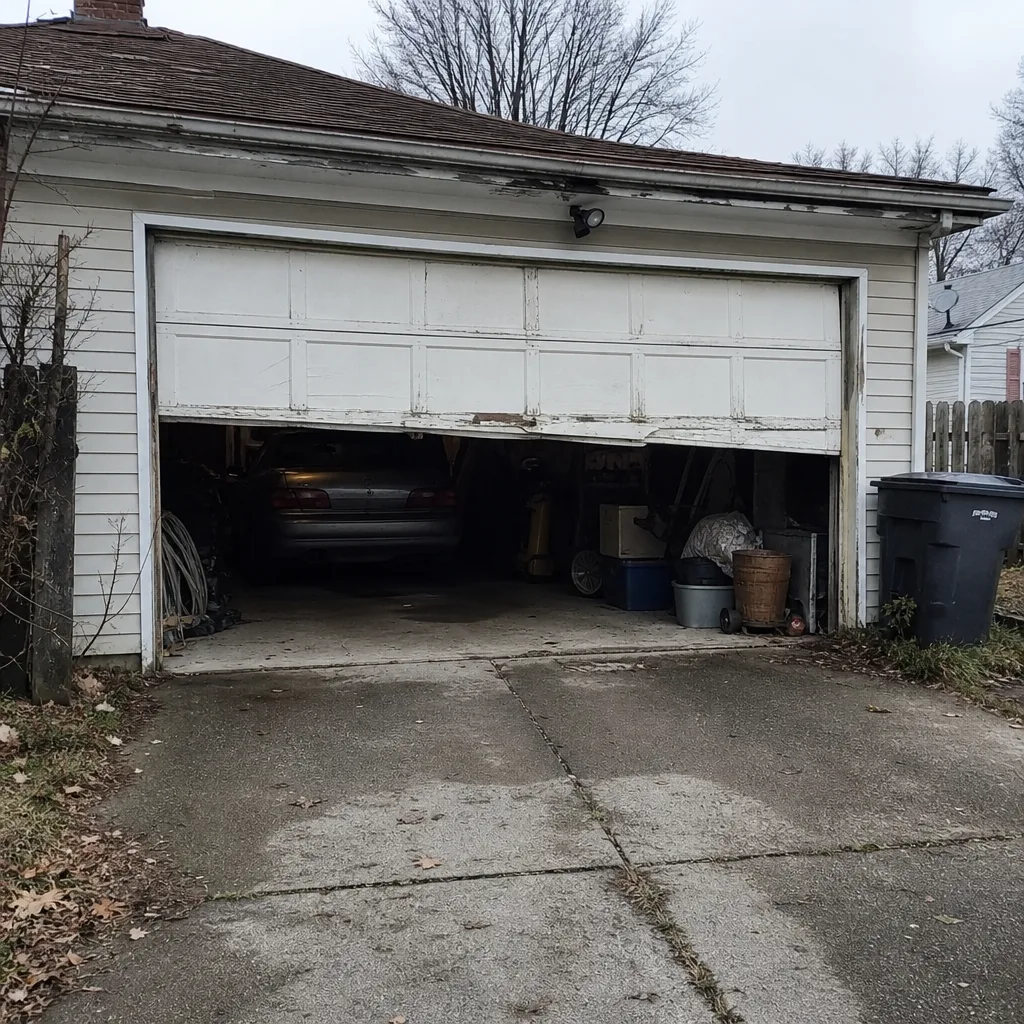 Before
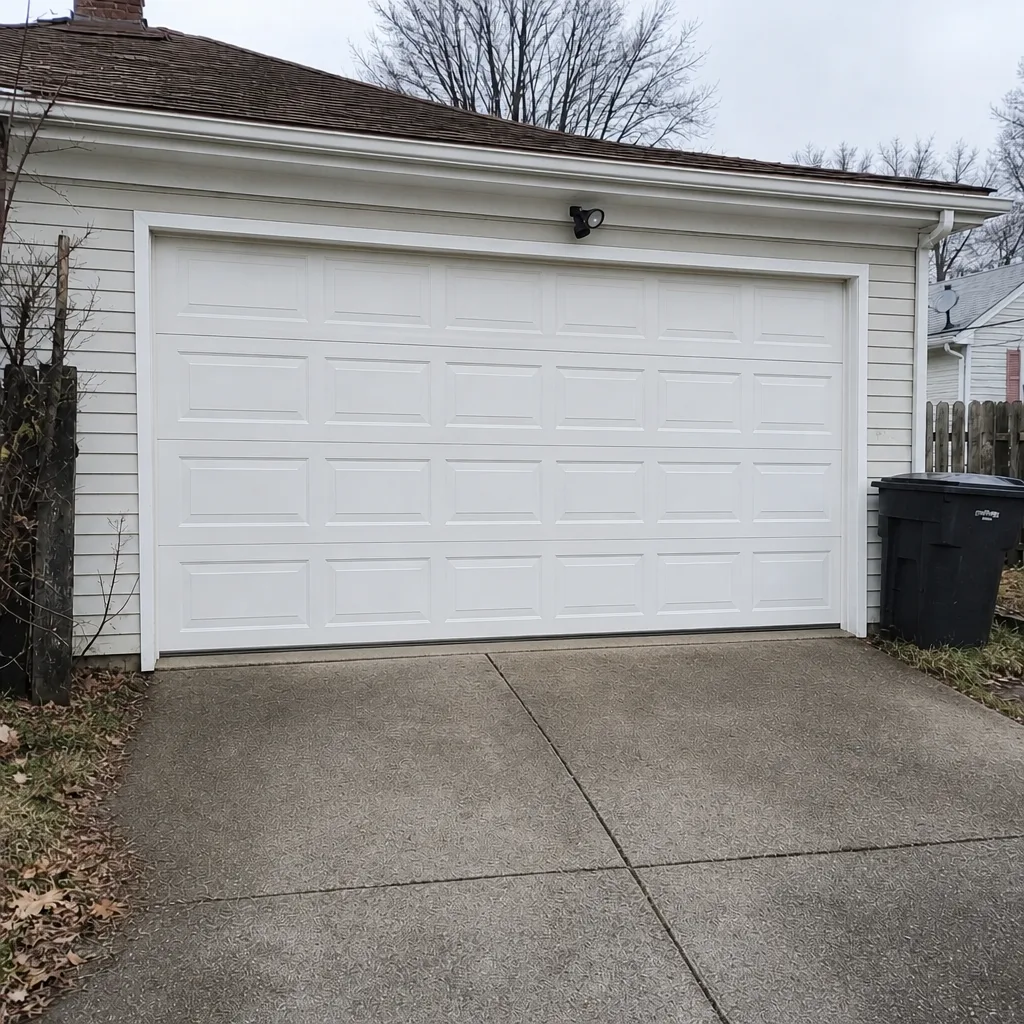 After
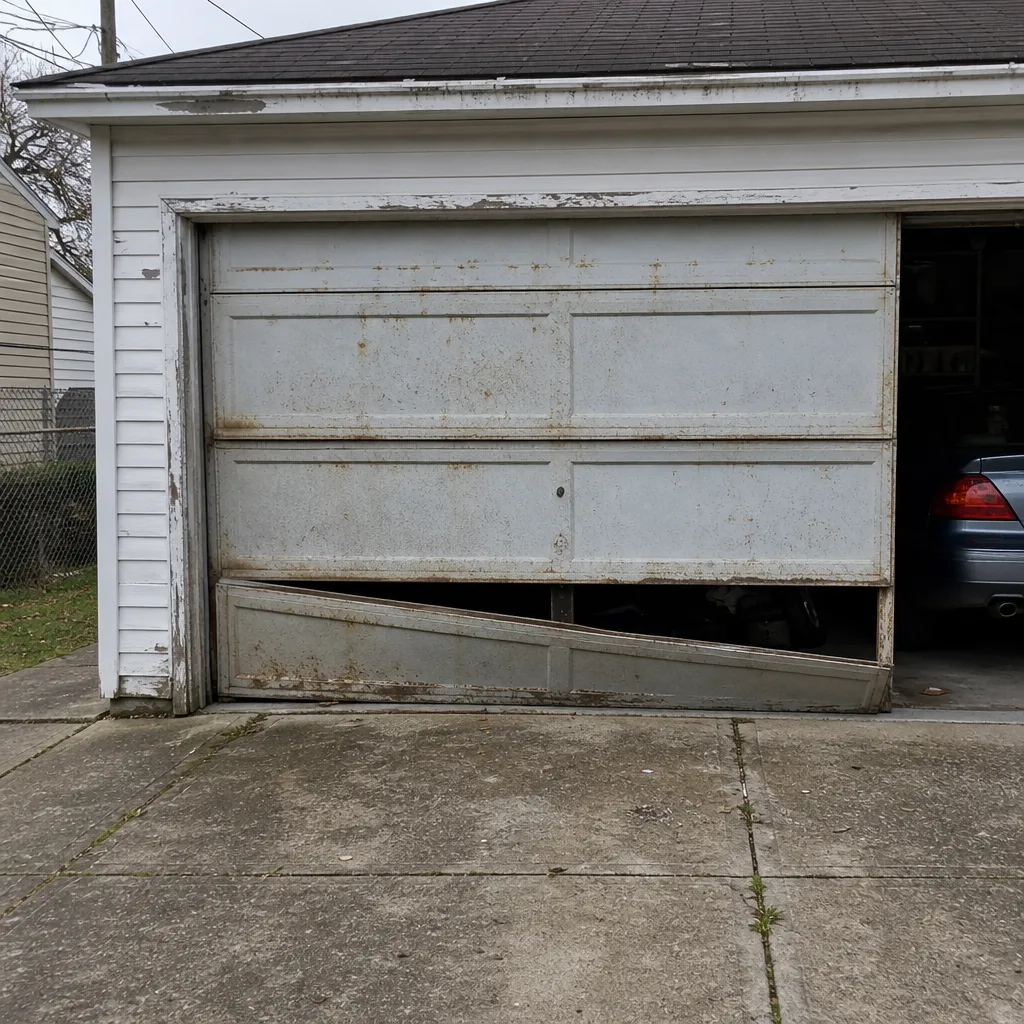 Before
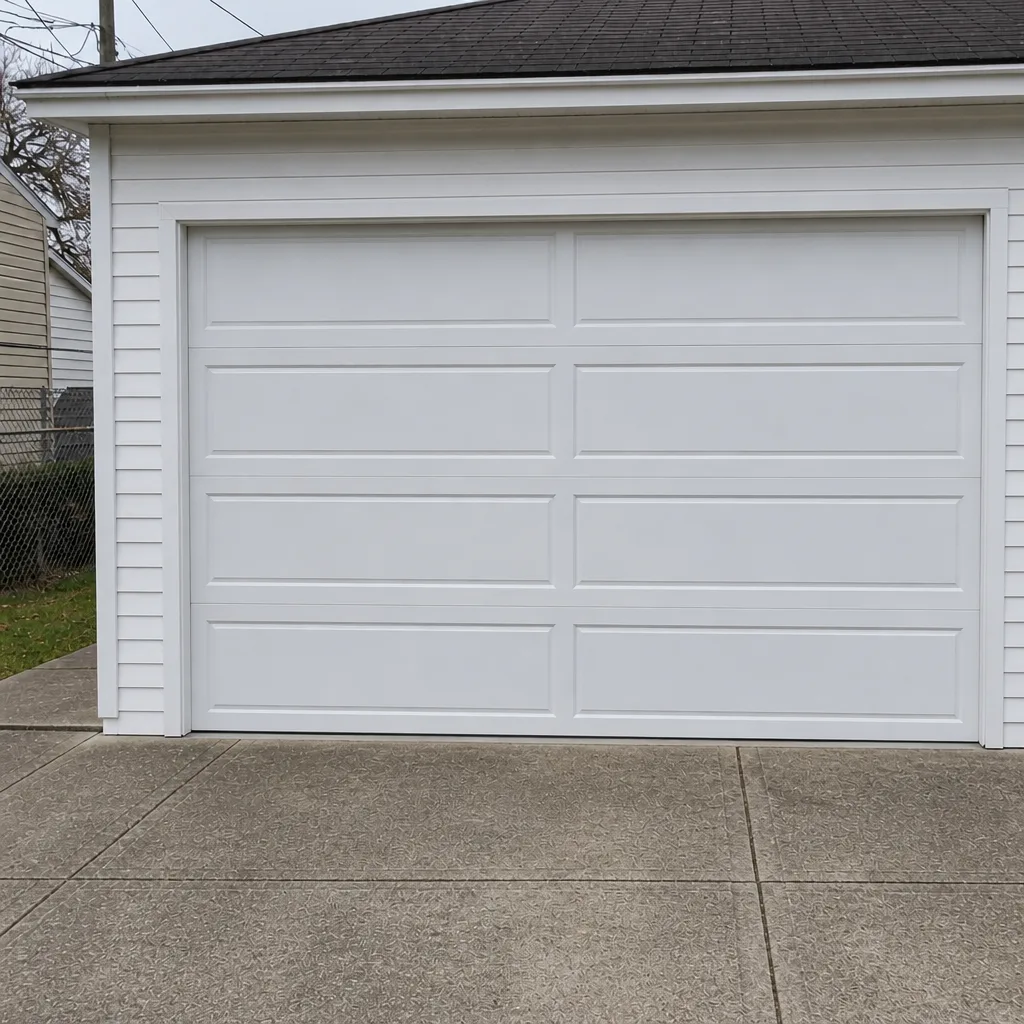 After
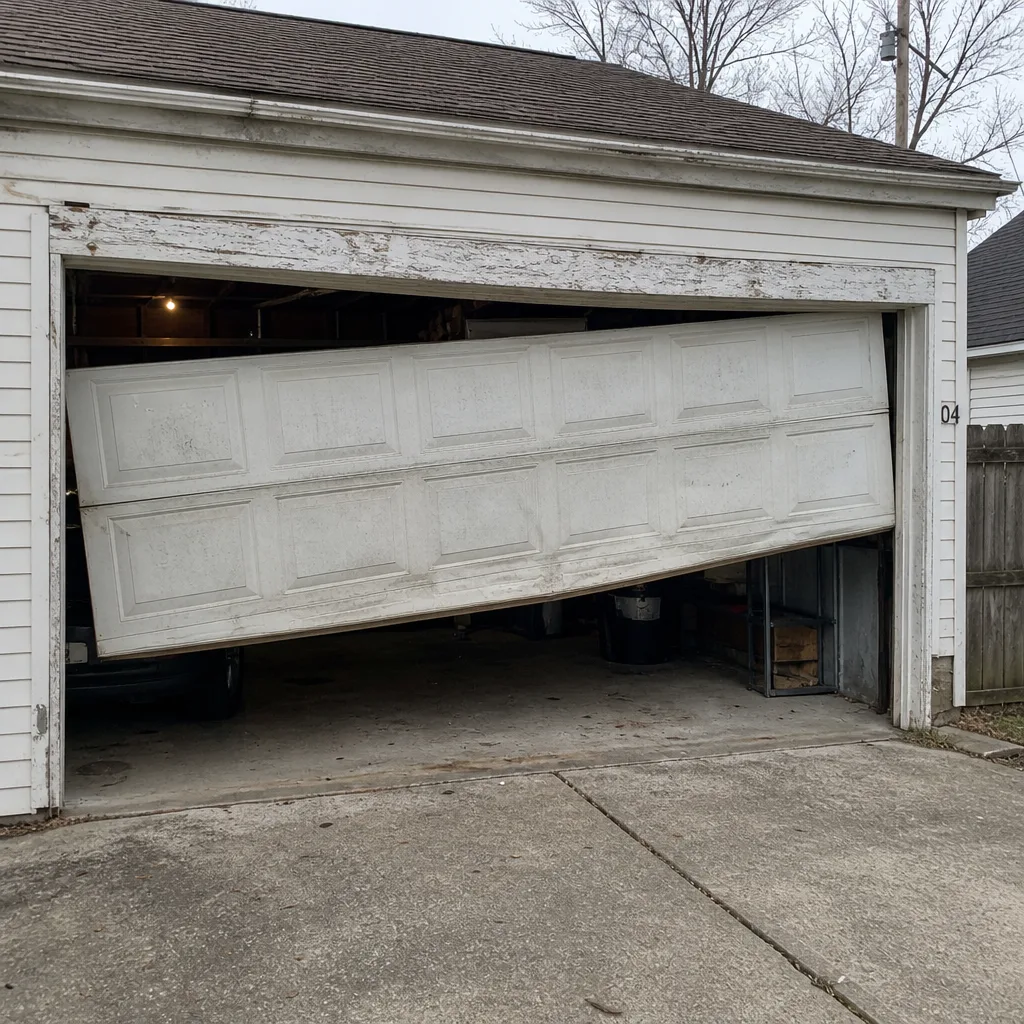 Before
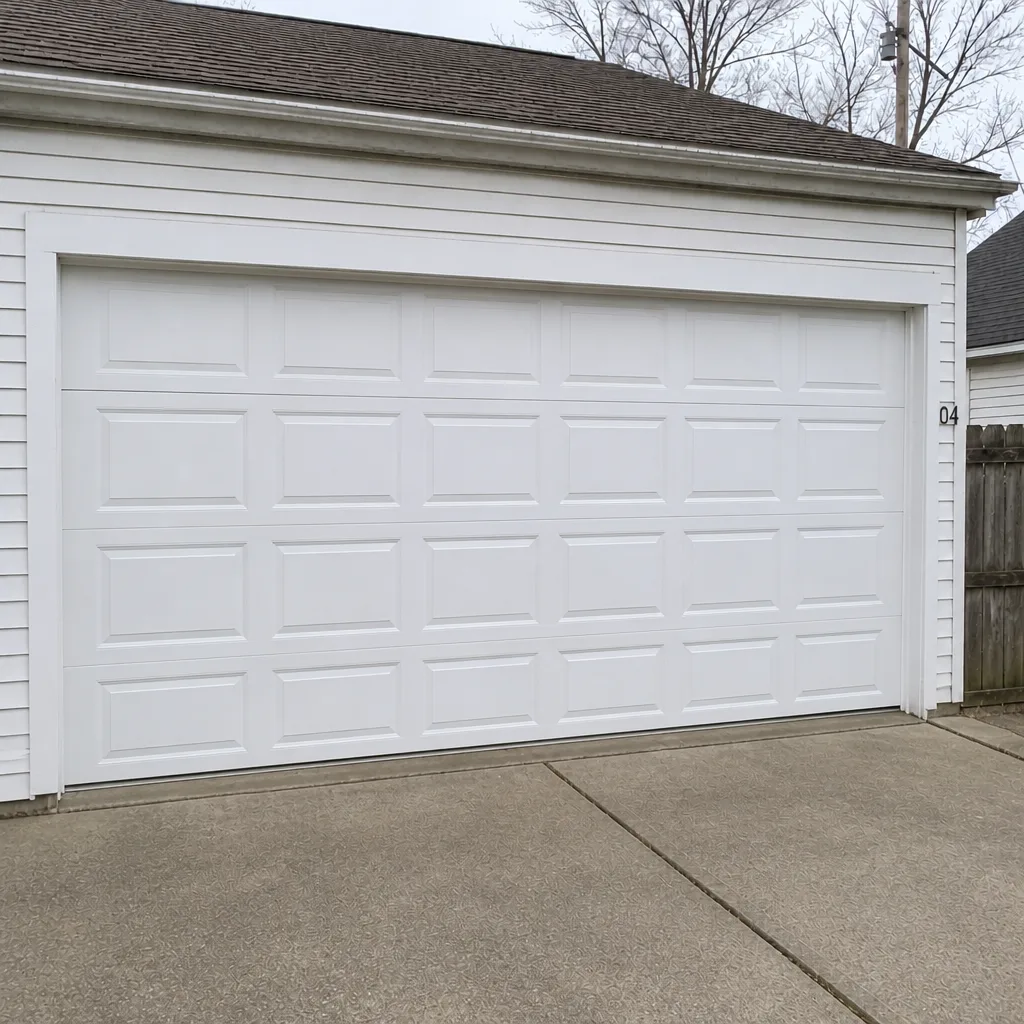 After
When to Call a Professional
Call a professional when the garage door makes a sudden louder noise, when it doesn’t stay open on its own, when the bottom edge has a visible gap that doesn’t seal, when the door opens unevenly or binds halfway up, when the opener runs but the door doesn’t move, or when anything that looks like a spring or cable has visibly failed. In each of those cases, the safest path is to stop using the door, prop it securely, and call. Springs and cables are under tension and are not a DIY task, and an opener that runs but doesn’t lift the door may be a symptom of a broken spring rather than a broken opener.
Oakes Garage Door Repair offers free estimates in Lakewood. Call (844) 959-0082, and we’ll measure the opening, check the frame and wiring, and quote the job in writing before anything gets taken apart.
Frequently Asked Questions
A single-car non-insulated steel door typically runs $900 to $1,300, an insulated single-car door $1,100 to $1,800, and an insulated double-car door $1,700 to $2,800; a full replacement with opener and installation often lands between $1,900 and $3,200. Call (844) 959-0082 for an exact quote after a measure. Estimates are free.
No. The price is quoted and agreed before any work starts, and the written estimate after the measure is the price. If the walk-through turns up a soft header, outdated wiring, or rot that needs a separate trade, we tell you before the job is booked, not after the old door is on the driveway. Call (844) 959-0082 to schedule the measure.
The local professionals we connect you with are licensed and insured as their state requires, and they work only on garage doors. Our technicians have up to 8 years of experience in this single trade. Any license or insurance documentation is available on request. Call (844) 959-0082 with questions.
We take emergency calls, and same-day service is often possible when a spring or opener has failed and a car is trapped. Spring and opener failures are a core part of what we do, not a scheduled-only service. Call (844) 959-0082 and we’ll tell you what’s available and when.
A single torsion spring runs $180 to $340 and a matched pair $360 to $680, and most doors should have both replaced together. Call (844) 959-0082 for an exact quote; estimates are free.
Usually yes for an attached garage, where the door separates the garage from heated living space, and usually not for a detached garage at the back of the lot. The insulation premium is $200 to $500 and the savings show up in comfort and condensation more than in raw heating cost. We can help you run the number for your specific garage; call (844) 959-0082.
The Bottom Line
The number that matters in a Lakewood garage door quote isn’t the total at the bottom. It’s the presence of every line above it: the door model, the labor, the opener, the haul-away, the permit, and the frame and wiring check that happened before the quote was written. A quote that’s missing any of those isn’t a bargain; it’s an estimate for a job that hasn’t been seen yet. Insist on a measure, insist on line items, and insist on a written price agreed before work begins. Then compare. If you want help reading a quote you already have, call (844) 959-0082 and we’ll walk through it with you.
Written by the team at Oakes Garage Door Repair.